What Is a Touchless Car Wash?
When drivers first hear the term "touchless car wash," they often picture a futuristic machine that magically cleans a vehicle without any contact. In reality, it is a smart cleaning method that uses high-pressure water jets and powerful detergents to remove dirt without brushes ever touching the paint. For anyone worried about scratches, swirl marks, or paint damage, this option is becoming a popular choice across busy cities.
At Vapor Auto Detailing, we know your vehicle is more than just transportation. It is an investment that deserves careful treatment, especially if you are searching for safe car wash services in NYC that respect your paint and finish. Drivers looking for Mobile detailing near Chelsea often choose professional detailing to complement touchless washes for longer-lasting paint protection and a deeper clean.
A touchless car wash is an automated vehicle cleaning system that relies entirely on pressurized water and chemical cleaning agents to lift grime off your car.
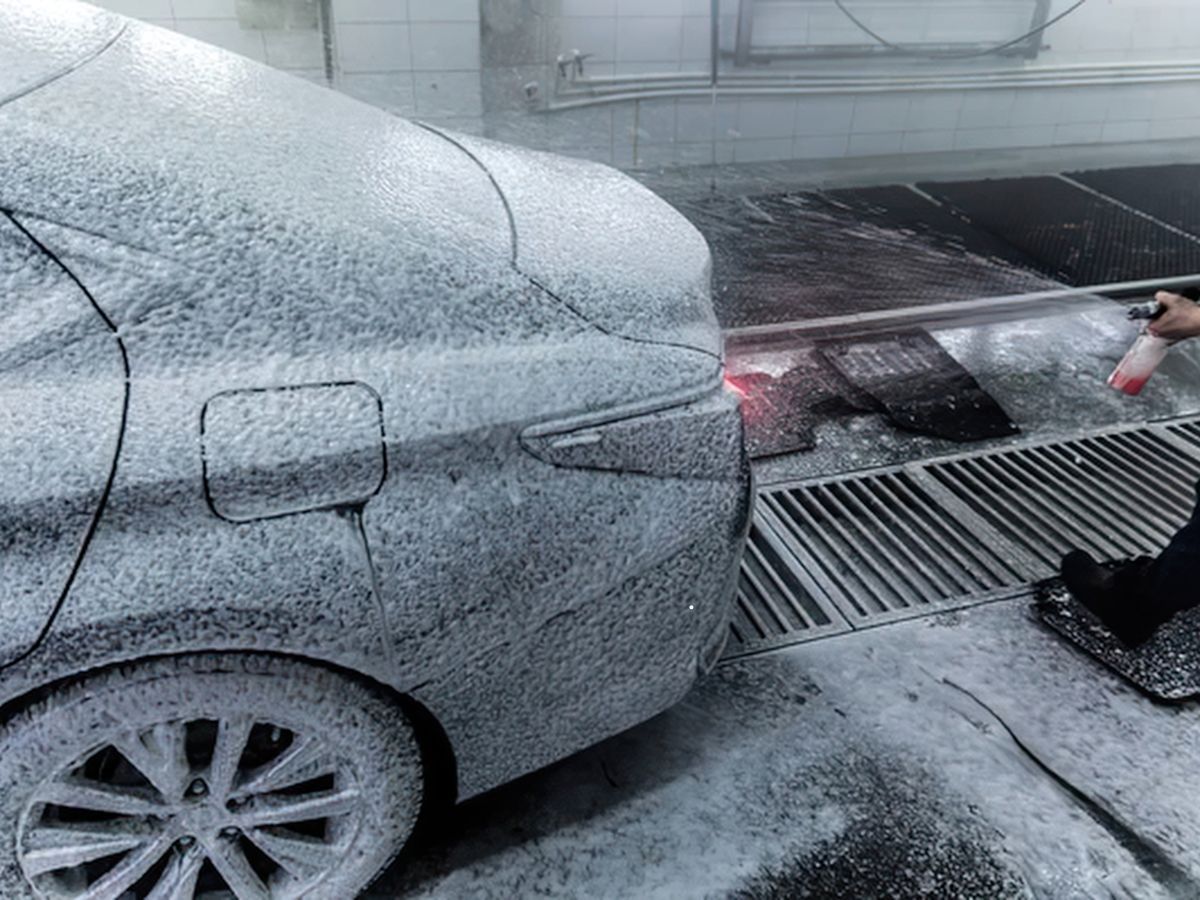
There are no spinning brushes, no cloth strips, and no mitts making contact with the surface. The process uses a strong pre-soak solution that breaks down road salt, bug residue, and dirt before high-pressure rinses blast everything away.
This method was developed for drivers who want a quick clean without risking the paint. It is often found in drive-through car wash facilities, gas stations, and modern auto care centers. While it sounds simple, the chemistry and water pressure behind the scenes are carefully calibrated to deliver an effective result.
How Does a Touchless Car Wash Work?
Understanding the touchless car wash process helps you see why it appeals to so many drivers. The system follows a few precise steps, each designed to work together for a streak-free finish.
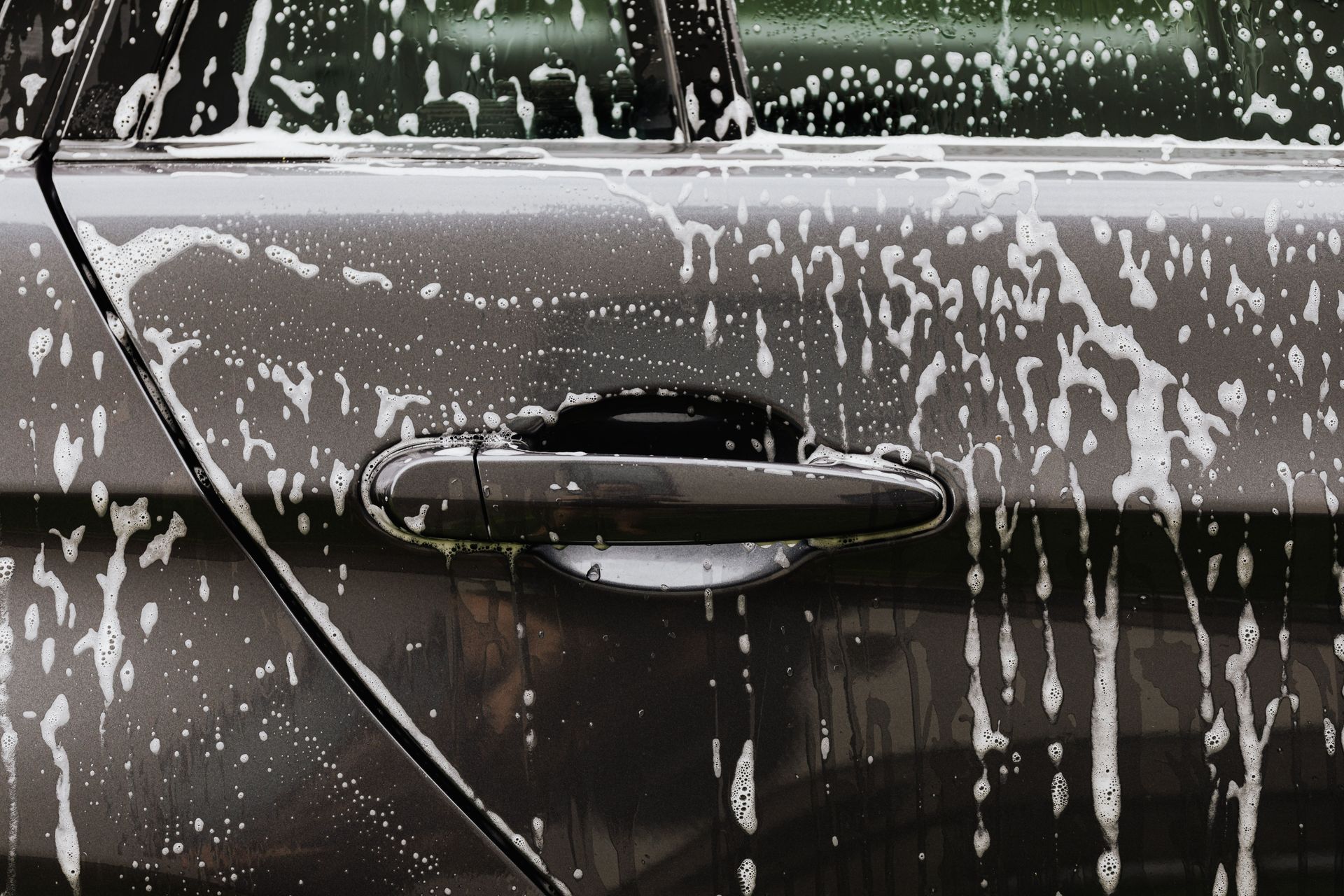
- Pre-Soak and Chemical Application: The first stage involves spraying the vehicle with an alkaline or acidic pre-soak solution. This chemical loosens stubborn contaminants like bird droppings, tree sap, and dried mud. The cleaning agents are strong enough to dissolve dirt but formulated to be safe on automotive paint.
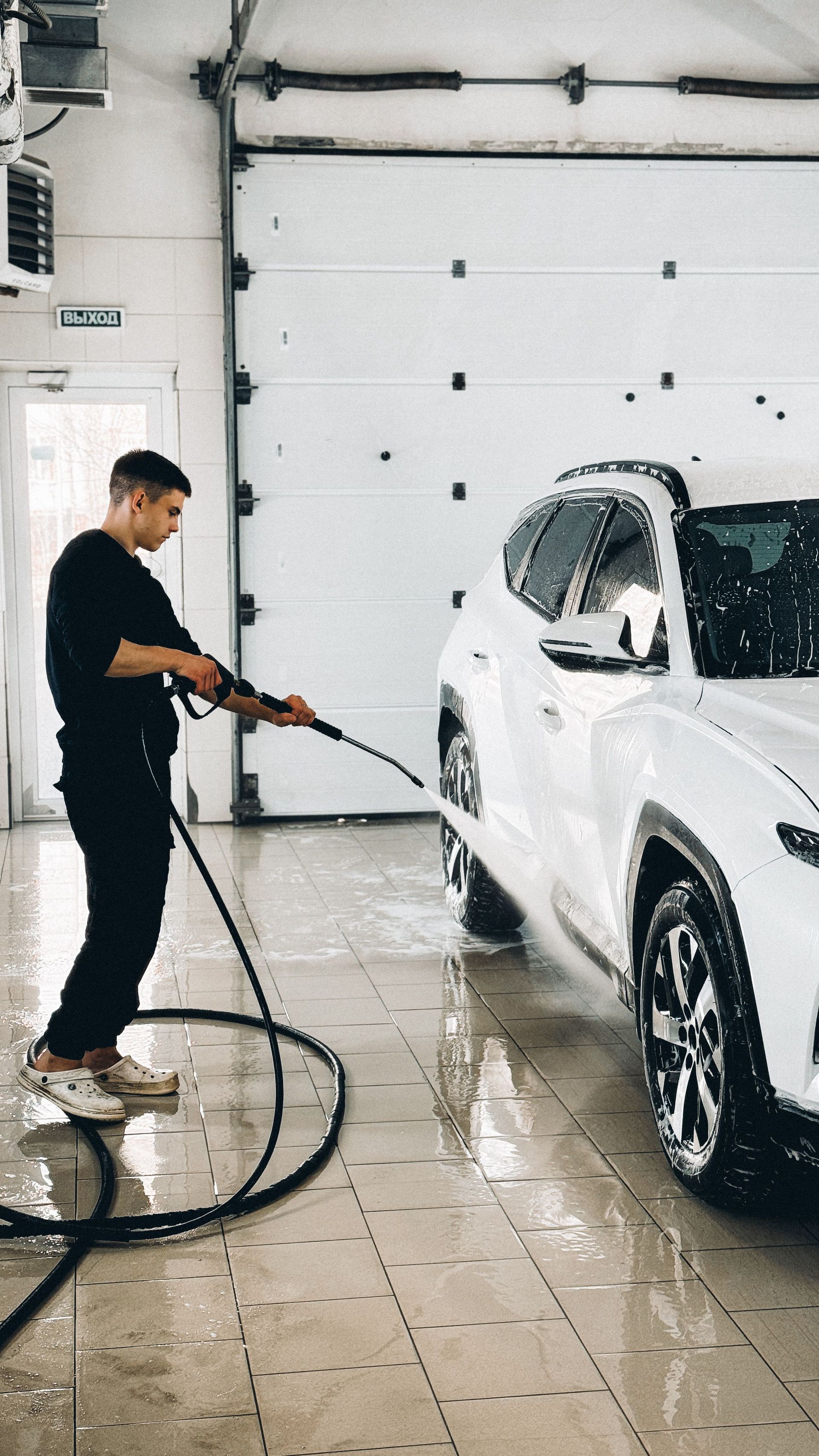
- High-Pressure Rinse: After the chemicals do their job, high-pressure water jets rinse the vehicle from multiple angles. The pressure is strong enough to dislodge debris from tight spots like grill openings, side mirrors, and wheel wells. This stage replaces the scrubbing action of a traditional wash.
- Drying and Finishing: The final step uses high-powered air dryers to push water off the surface. Some systems also add a spot-free rinse using deionized water, which prevents mineral spots from forming as the car dries. If your vehicle has recently been tinted, understanding window tint drying time is important before scheduling any wash to avoid affecting the film while it cures.
Touchless Car Wash vs. Traditional Car Wash
When comparing touchless vs. brush car washes, the biggest difference comes down to contact. A traditional automatic wash uses rotating brushes or soft cloth strips that physically scrub the vehicle. While effective at removing dirt, these brushes can trap small particles that grind against the paint and cause micro-scratches.
A touchless system avoids this issue entirely. However, it does rely more heavily on chemicals to compensate for the lack of physical scrubbing. This is why some drivers still prefer a professional hand wash and detailing service for the safest and deepest clean possible.
Benefits of a Touchless Car Wash
Many drivers turn to touchless options because of the convenience and the gentle approach. The benefits are practical for daily commuters who want clean wheels without spending hours in a driveway.
A touchless wash is quick, usually finishing in under ten minutes. It is also less likely to damage delicate features like antennas, side mirrors, or aftermarket accessories. For cars with ceramic coating or fresh paint, this method offers extra peace of mind by reducing the chance of swirl marks.
It also works well in cold climates where road salt builds up quickly. The strong pre-soak chemicals are effective at neutralizing salt and preventing rust formation under the body of the car.
Limitations You Should Know About
While the process is gentle, it is not always the most thorough. A touchless car wash may struggle with heavy mud, baked-on bug splatter, or dirt stuck in tight crevices. Without physical agitation, some contaminants simply will not come off in one cycle.
Frequent reliance on strong chemicals can also dull the paint over time if a protective layer like wax or sealant is not maintained. For long-term care, combining touchless washes with
professional hand washing near you and professional detailing gives your vehicle the best of both worlds.
How Often Should You Use a Touchless Car Wash?
For most drivers in the USA, using a touchless car wash every one to two weeks is reasonable. It keeps surface dirt from building up and protects
against environmental damage like acid rain and pollution. Drivers in coastal or snowy areas may want to use it more often to wash away salt.
However, a touchless wash should not replace deep cleaning. Pairing it with seasonal, professional detailing ensures your interior, wheels, and underbody stay in top condition. At Vapor Auto Detailing, we recommend regular detailing alongside any quick wash routine to maintain showroom-level results for vehicle owners, including those searching for Mobile auto detailing West Village NYC for convenient, on-site detailing services.
Why Drivers Trust Professional Detailing Over Quick Washes
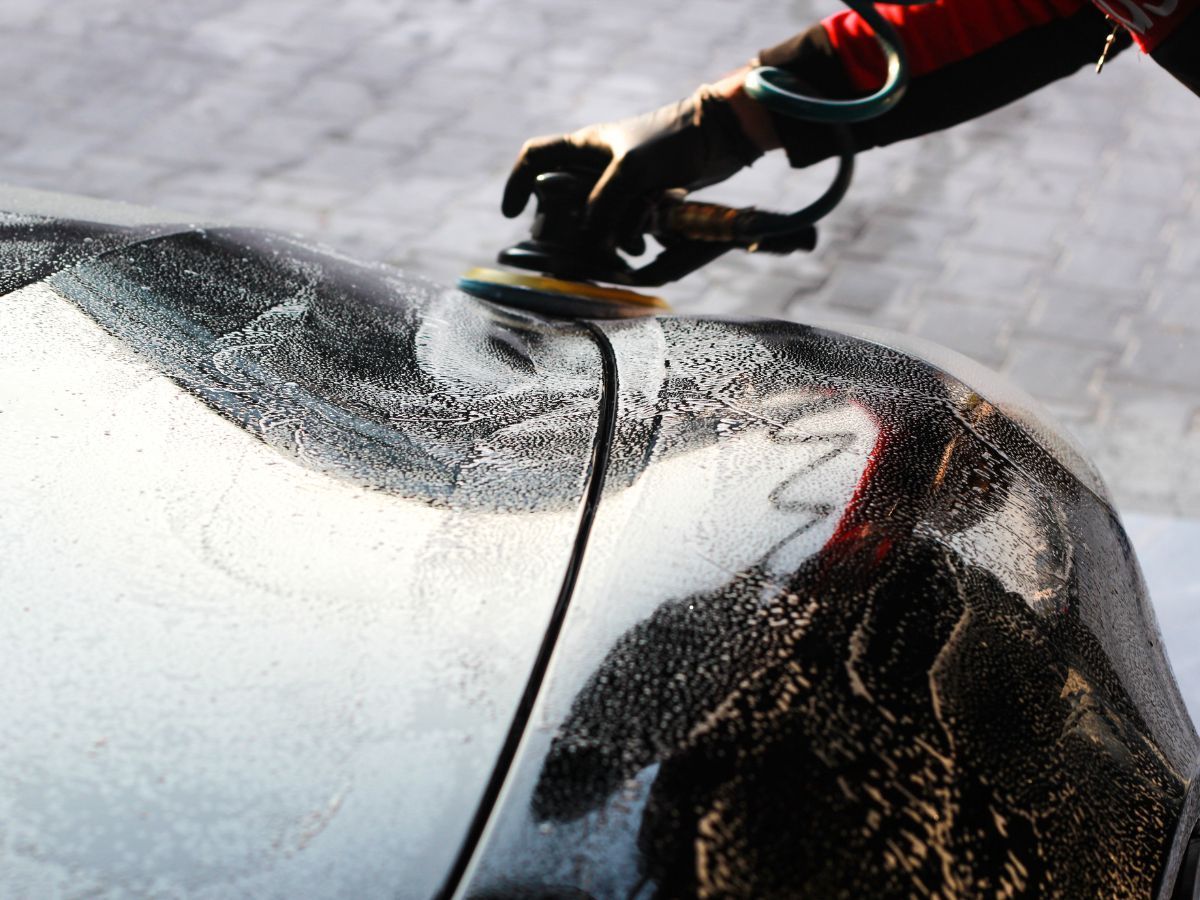
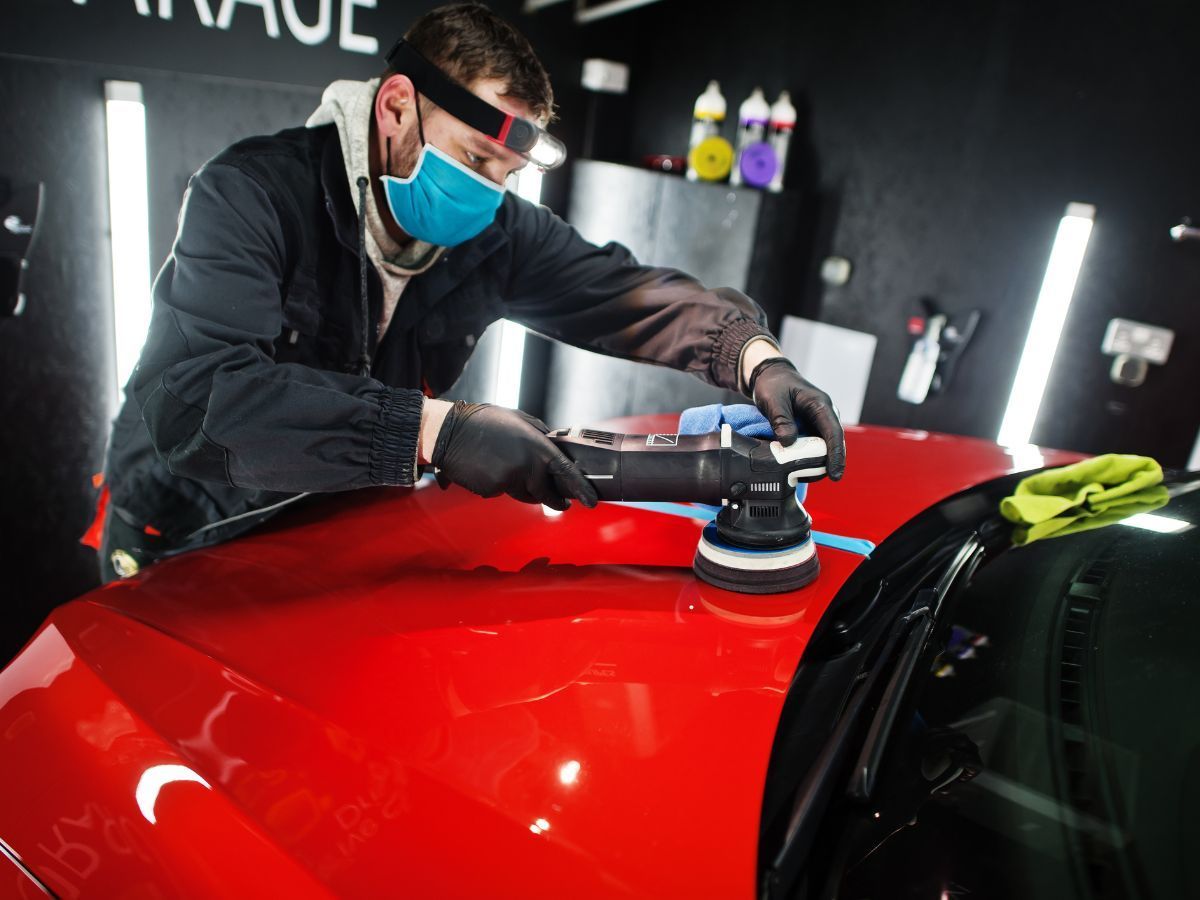
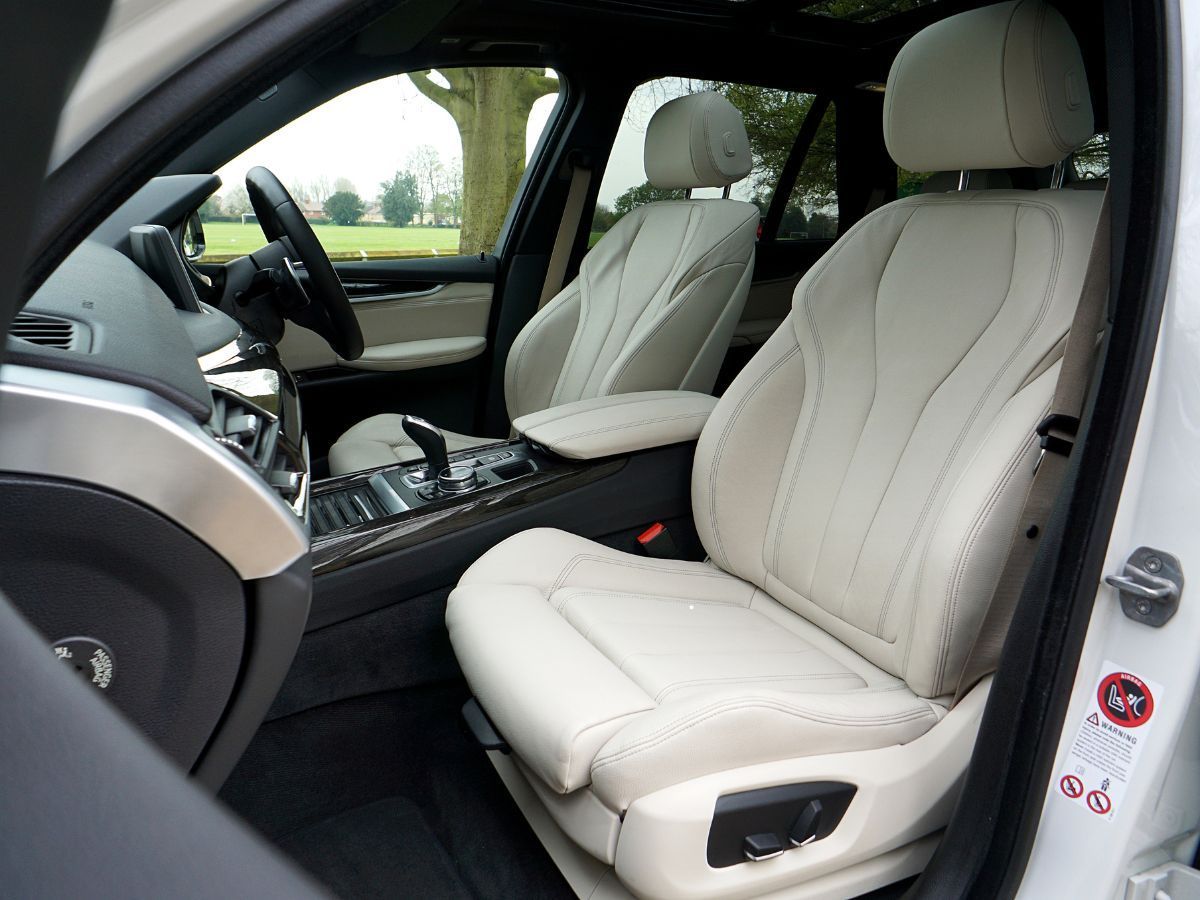
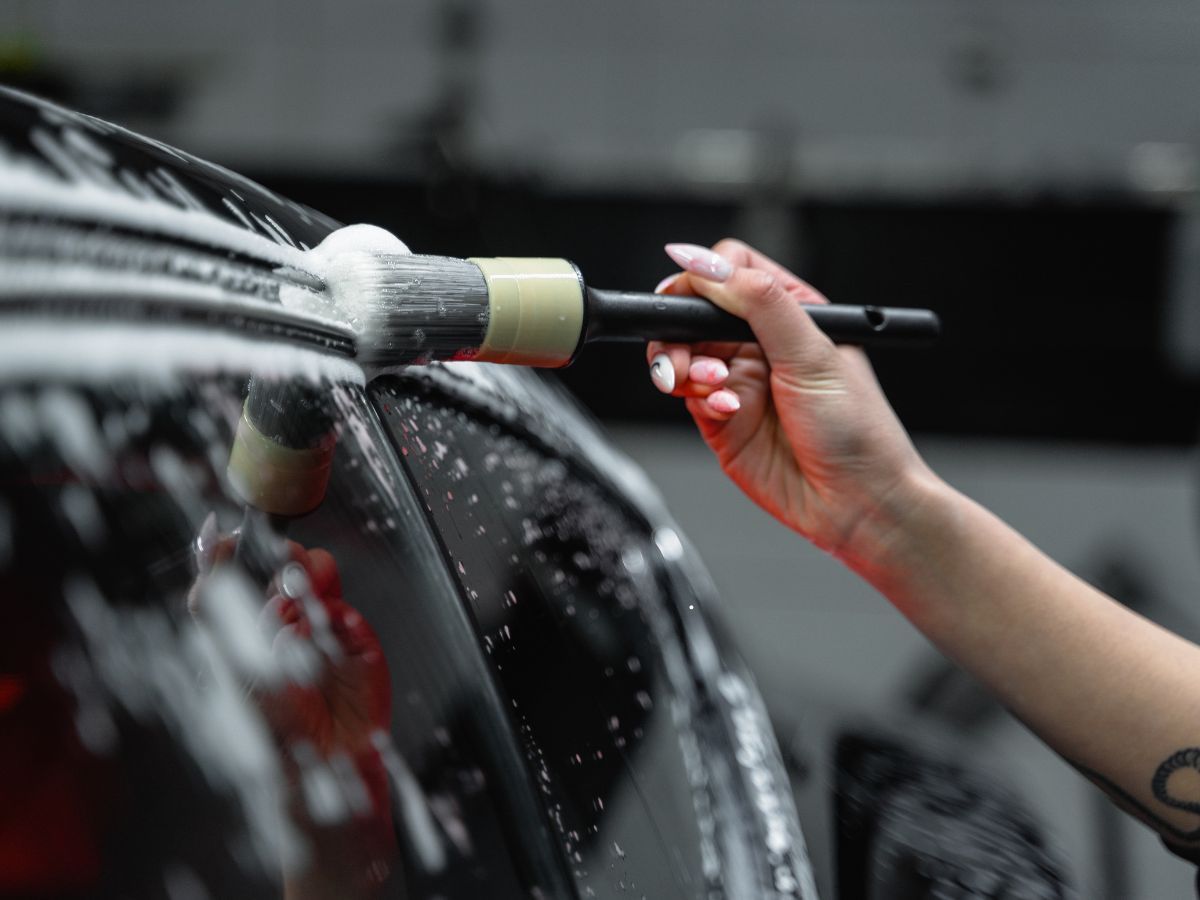
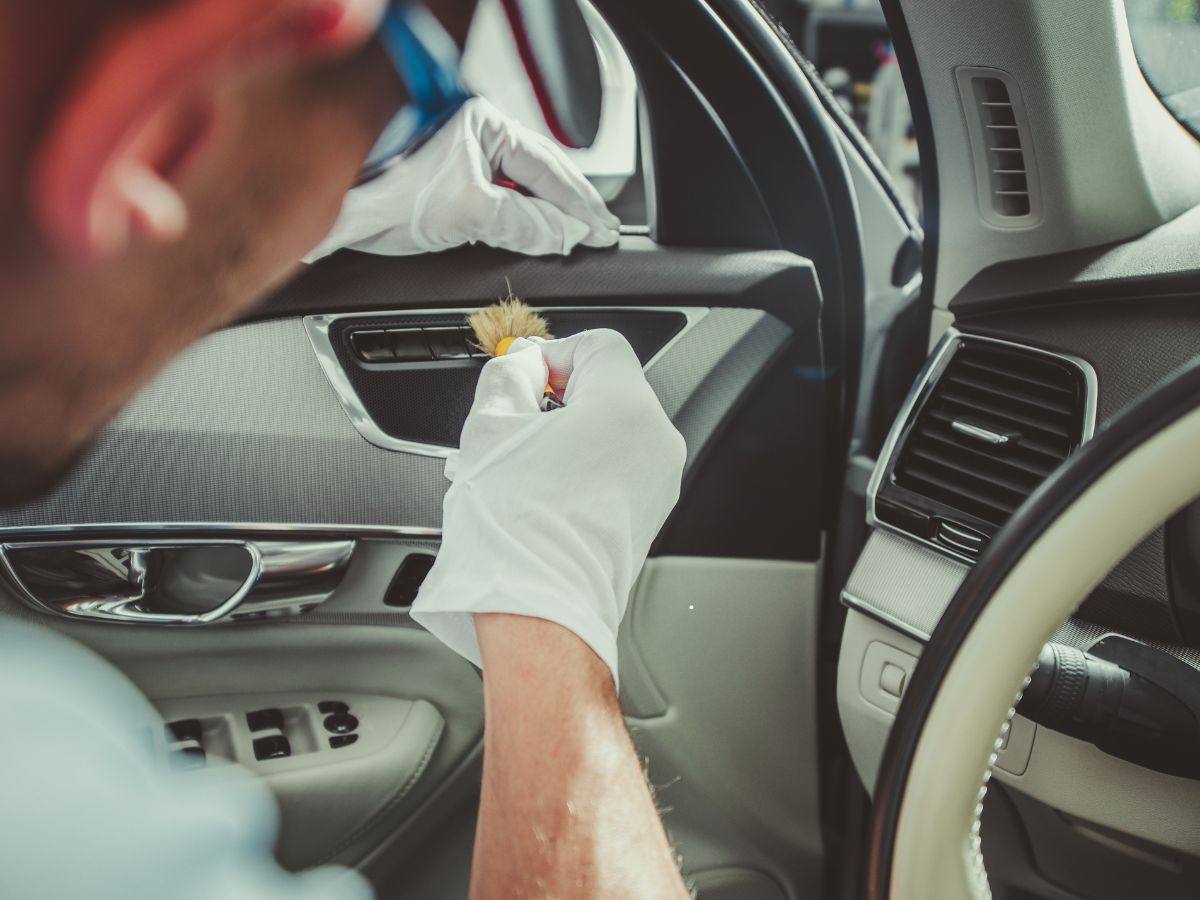
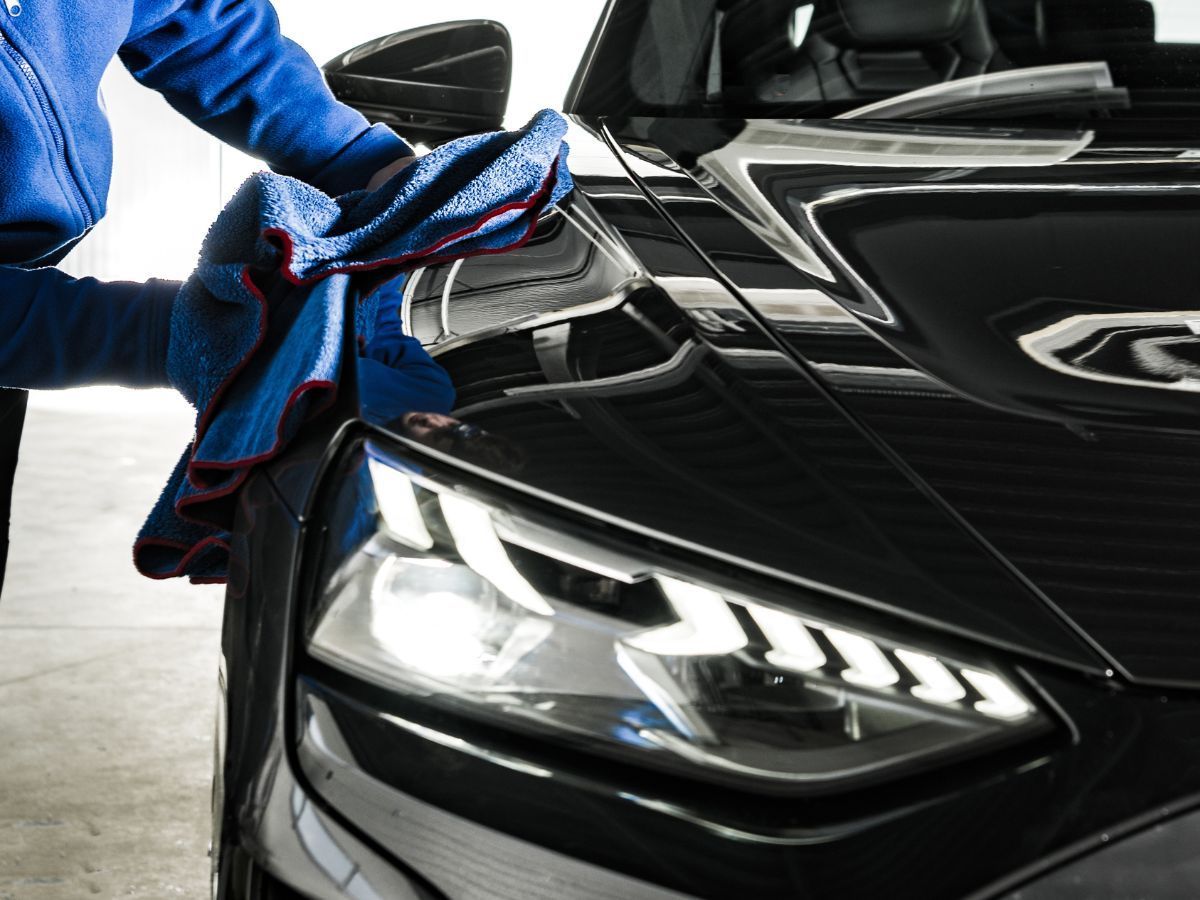
A touchless car wash is convenient, but it cannot match the precision of a trained detailer. Professional services target the areas machines simply cannot reach, like doorjambs, fabric seats, and engine bays. The use of steam cleaners, microfiber towels, and pH-balanced soaps ensures every part of your vehicle gets proper attention.
When you choose Vapor Auto Detailing, you get a team that understands paint chemistry, surface protection, and modern detailing techniques. We combine the safety of touchless methods with the thoroughness of hand detailing for a complete result.
FAQ
Is a touchless car wash safe for your paint?
Yes, it is one of the safest automated options because no brushes touch the surface. However, the strong chemicals used can affect older or unprotected paint if used too often without proper waxing.
Does a touchless car wash clean as well as a hand wash?
Not always. While it removes loose dirt effectively, it may miss tougher grime or hard-to-reach areas. A professional hand wash or full detail offers a more thorough result.
How much does a touchless car wash cost?
Prices typically range from 10 to 25 dollars depending on the location and the package selected. Premium options with wax and tire shine may cost slightly more.
Can I use a touchless car wash on a ceramic-coated vehicle?
Yes, it is one of the recommended methods for ceramic-coated cars because it avoids physical contact that could wear down the coating prematurely.
How often should I get a touchless car wash?
Every one to two weeks is ideal for most drivers. In winter or in coastal areas, more frequent washes help remove salt and prevent corrosion damage.
Conclusion
A touchless car wash offers a fast and gentle way to keep your vehicle clean without the worry of scratches or swirl marks. While it is a great everyday option, it works best when combined with professional detailing that addresses the deeper needs of your car. Real care comes from experienced hands that understand every surface of your vehicle.
At Vapor Auto Detailing, we deliver the kind of meticulous service that quick washes simply cannot match. Whether you want a glossy exterior, a fresh-smelling cabin, or long-lasting paint protection, our mobile team brings the expertise directly to you. Book your detailing appointment with us today and give your car the premium care it truly deserves.