Why Exterior Detailing Is Essential Before Applying Ceramic Coating
If you're considering Exterior Detailing Before Ceramic Coating, it's important to understand that the coating is only as good as the surface beneath it.
Ceramic coating doesn't clean the paint or hide existing imperfections. Instead, it seals in whatever is already there. That means dust, water spots, oxidation, swirl marks, and other contaminants should be addressed first if you want the best possible finish.
Professional exterior detailing prepares the paint so the coating can bond properly. Skipping those preparation steps often leads to disappointing results that no protective coating can correct later.
Why Exterior Detailing Comes Before Ceramic Coating
Ceramic coating is designed to protect your paint, not prepare it. Before it's applied, the surface needs to be clean, smooth, and free of contaminants so the coating can bond properly. If swirl marks, oxidation, or mineral deposits remain, the coating will seal them beneath the protective layer.
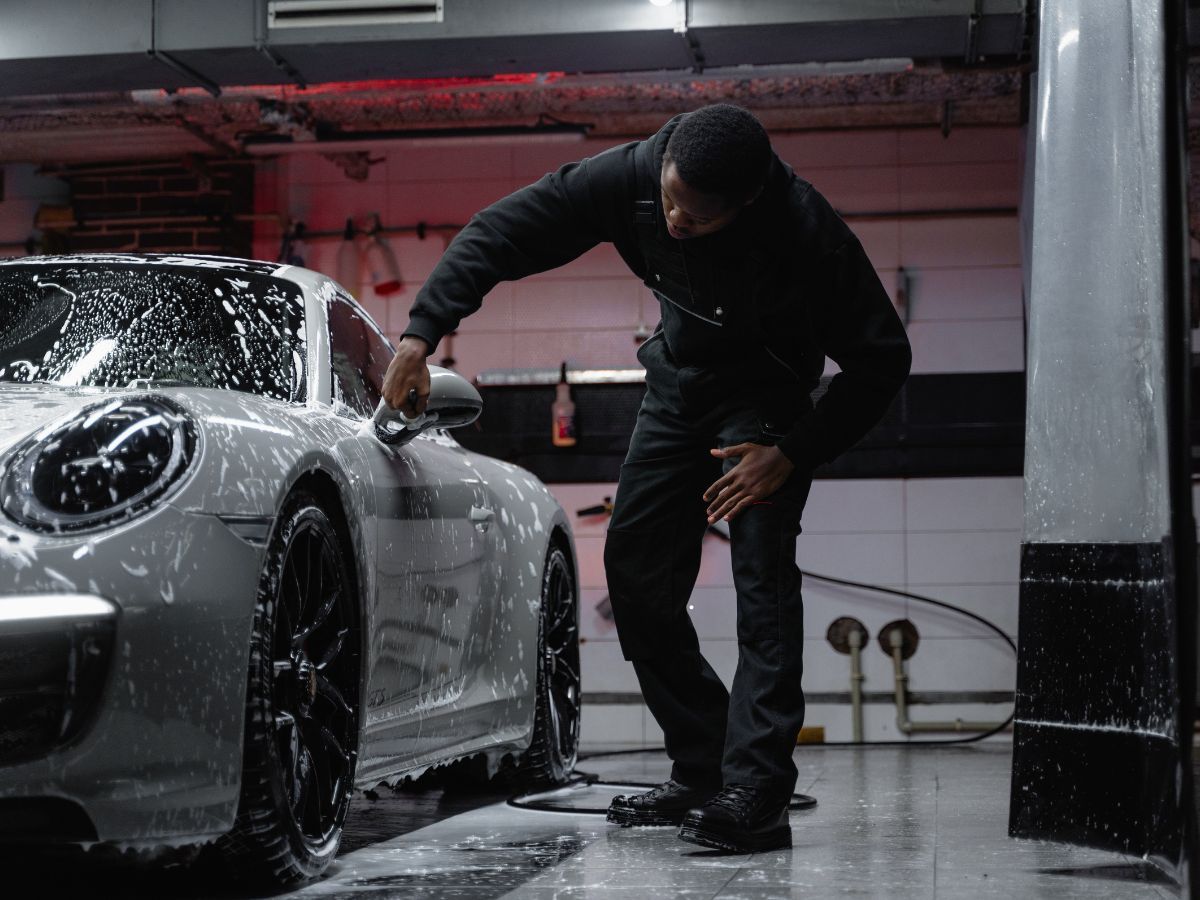
Initial Wash and Safe Drying
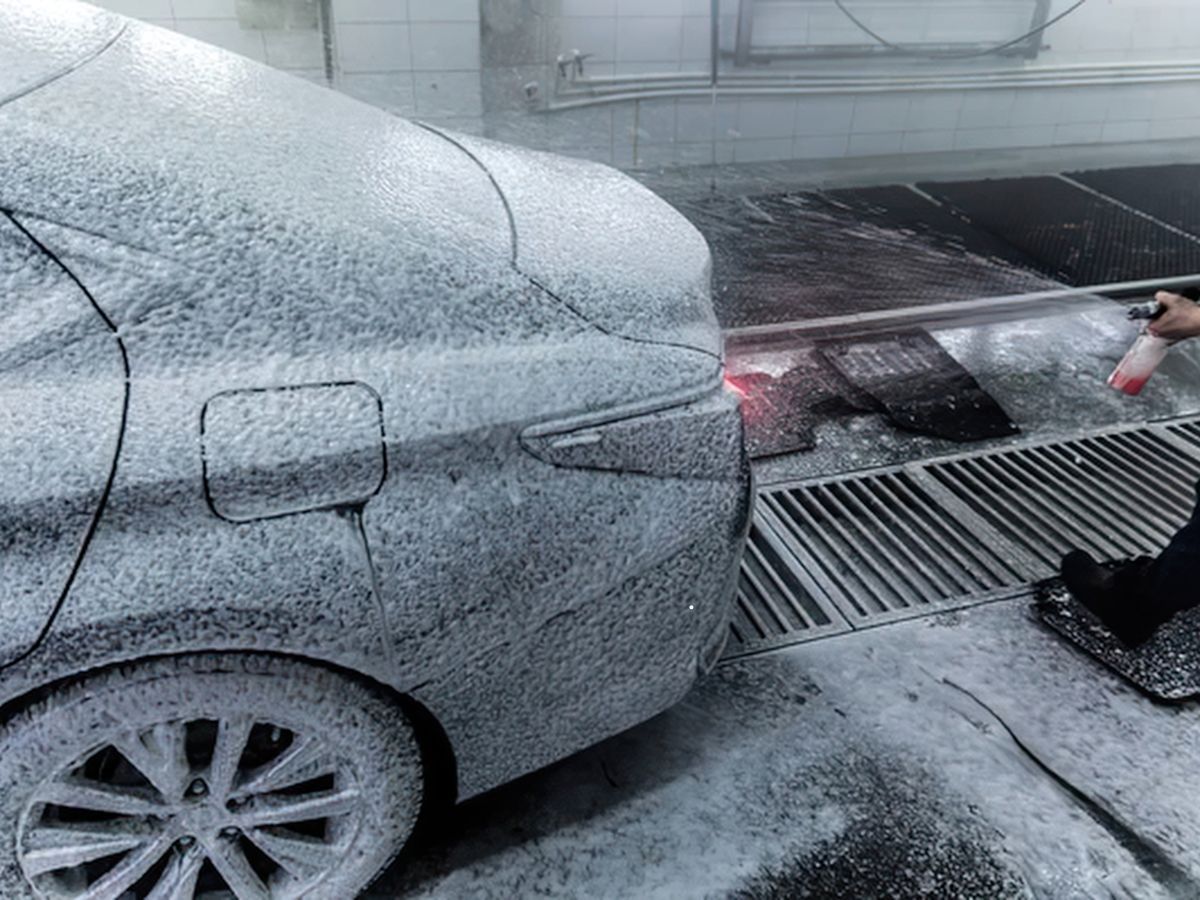
Every detail begins with a thorough wash to remove loose dirt, road film, and surface debris. The vehicle is then dried carefully to reduce water spots and avoid adding new swirl marks before the next stage.
Wheel and Tire Cleaning
Brake dust and road grime build up quickly on wheels and tires. Cleaning them first prevents dirt and metal particles from being transferred onto painted panels during the detailing process.
Clay Bar Treatment and Paint Decontamination
Washing removes surface dirt, but not everything bonded to the paint. A clay bar treatment lifts contaminants like tree sap residue, rail dust, and industrial fallout, leaving the surface smoother and ready for inspection. It removes contamination, not scratches.
Paint Inspection
Once the paint is clean, it's inspected for swirl marks, oxidation, water spots, and other imperfections. This helps determine whether paint correction is worthwhile before moving on to ceramic coating.
Preparing the Paint for Ceramic Coating
A ceramic coating performs best when it's applied to paint that's already in good condition. The cleaner and smoother the surface, the better the coating can bond and the better the final finish will look.
When Paint Correction Makes Sense
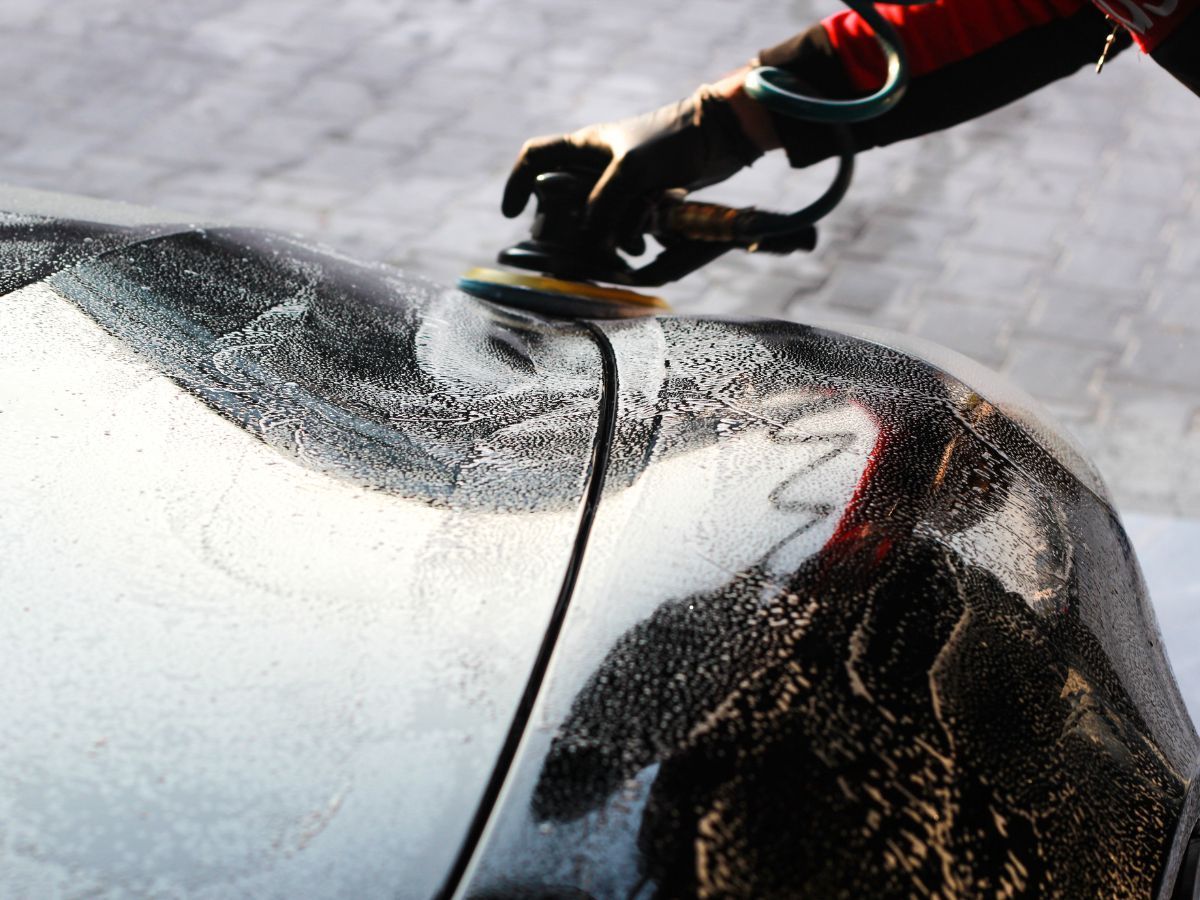
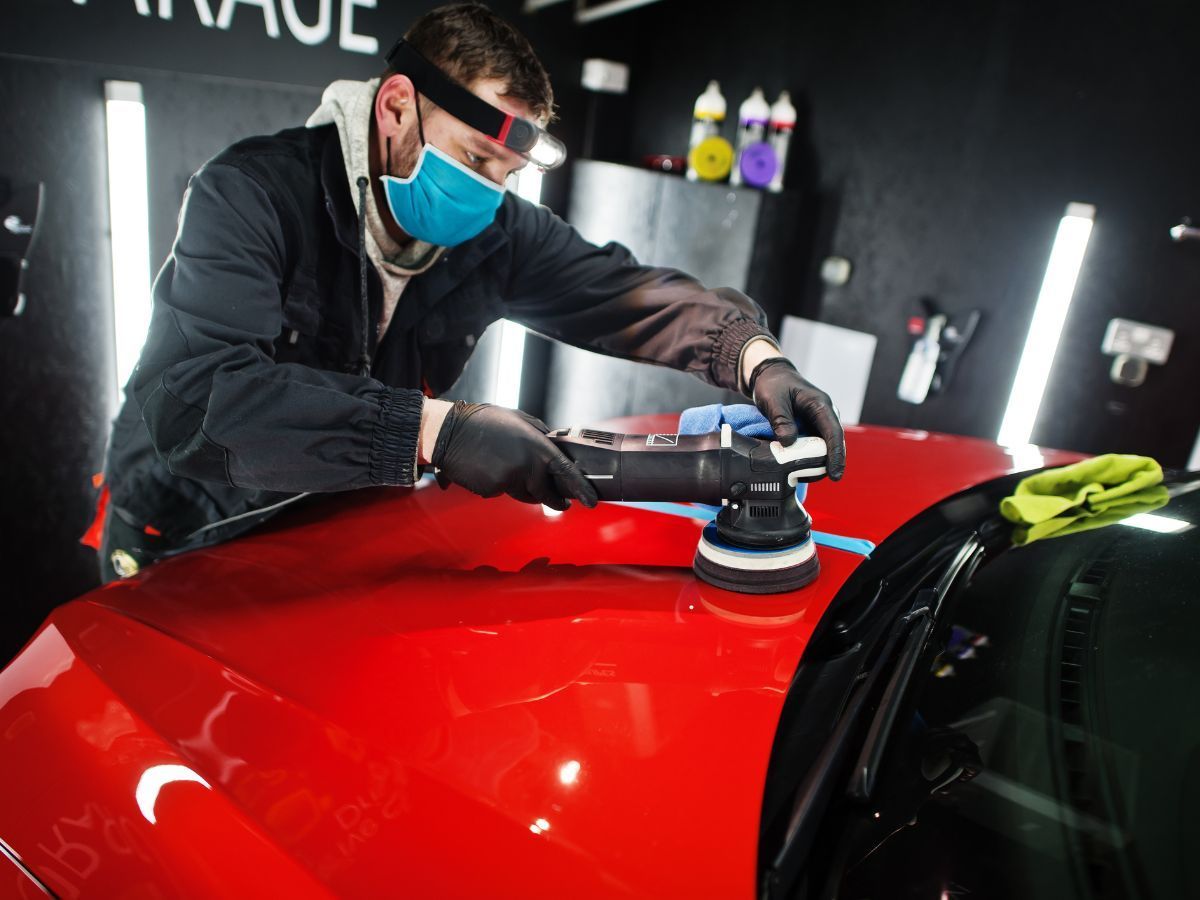
If the paint has noticeable swirl marks, light scratches, or oxidation, paint correction may be worth considering before applying a coating. Correcting these imperfections first helps improve clarity and gloss because the coating will seal the finish exactly as it appears.
That doesn't mean every vehicle needs a full correction. If the paint is already in good condition or has only minor imperfections, a lighter polish or no correction at all may be the more practical choice.
Panel Preparation Before Coating
Before the ceramic coating is applied, each panel is wiped down to remove polishing oils, dust, and any remaining residue. This final preparation step creates a clean surface that allows the coating to bond properly.
Skipping panel preparation can reduce the coating's performance and leave an uneven finish.
Applying the Ceramic Coating
Once the paint is fully prepared, the coating is applied one section at a time using controlled techniques. Working in smaller sections helps ensure even coverage and allows the coating to be leveled before it begins to cure.
The coating doesn't hide defects or fill scratches. Instead, it forms a protective layer over the paint that's already been prepared.
Curing and Aftercare
After application, the coating needs time to cure. During this period, it's important to follow the detailer's aftercare instructions and avoid exposing the vehicle to unnecessary moisture or contaminants.
Even after curing, routine washing is still essential. Ceramic coating makes maintenance easier, but it doesn't eliminate the need for regular care.
Ceramic Coating Isn't a Replacement for Maintenance
One of the biggest misconceptions is that ceramic coating makes a vehicle maintenance-free. While it adds an extra layer of paint protection, it doesn't eliminate the need for regular care.
A ceramic-coated vehicle still benefits from:
- Routine washing to remove dirt, road salt, bird droppings, and tree sap before they sit on the paint.
- Safe washing techniques that reduce the risk of adding swirl marks during cleaning.
- Regular inspections to spot water spots, contaminants, or minor damage before they become bigger issues.
- Occasional maintenance products, if recommended by your detailer, to help preserve the coating's performance.
It's also important to keep expectations realistic. Ceramic coating doesn't make your paint scratch-proof, prevent rock chips, or stop every swirl mark from appearing over time. Think of it as a protective layer that makes your vehicle easier to maintain, not one that eliminates maintenance altogether.
Summing Up
The best ceramic coating jobs don't start with the coating. They start with clean, properly prepared paint. Taking the time to detail the exterior first helps the coating bond better and prevents existing imperfections from being sealed beneath the surface.
If you're considering ceramic coating, Vapor Auto Detailing will walk you through the preparation process and recommend only the services your vehicle actually needs.
Call Us to discuss the right ceramic coating package for your vehicle.
Frequently Asked Questions
Why is exterior detailing important before ceramic coating?
Exterior detailing removes dirt, road film, and bonded contaminants that would otherwise become trapped beneath the coating. Proper preparation also helps the coating bond more effectively with the paint.
Does every vehicle need paint correction before ceramic coating?
No. Paint correction is most beneficial when the paint has noticeable swirl marks, oxidation, or light scratches. If the finish is already in good condition, a full correction may not be necessary.
Is clay bar treatment the same as polishing?
No. A clay bar treatment removes bonded contaminants from the paint, while polishing improves the appearance of light imperfections. They serve different purposes and are often performed at different stages of the detailing process.
Does ceramic coating make paint scratch-proof?
No. Ceramic coating improves paint protection and makes routine maintenance easier, but it doesn't prevent scratches, rock chips, or all forms of paint damage.
How should I care for my vehicle after ceramic coating?
Continue washing your vehicle regularly using safe cleaning methods and follow the aftercare guidance provided by your detailer. Proper maintenance helps keep the coating performing at its best.