When Is the Best Time to Get Your Car Detailed?
"Get your car detailed regularly" is technically true and almost useless as advice. Regularly means something different for a rideshare driver logging 200 miles a day than it does for someone who drives to the grocery store twice a week.
The best time for car detailing depends on how the car is used, where it's parked, what season it is, and what you actually want out of the vehicle long term.
There's a real answer here, not just "it depends." Let's get into it.
Why Season Changes the Timing
Seasonal shifts do more to a car's exterior than most drivers give them credit for.
Spring: Undoing Winter's Damage
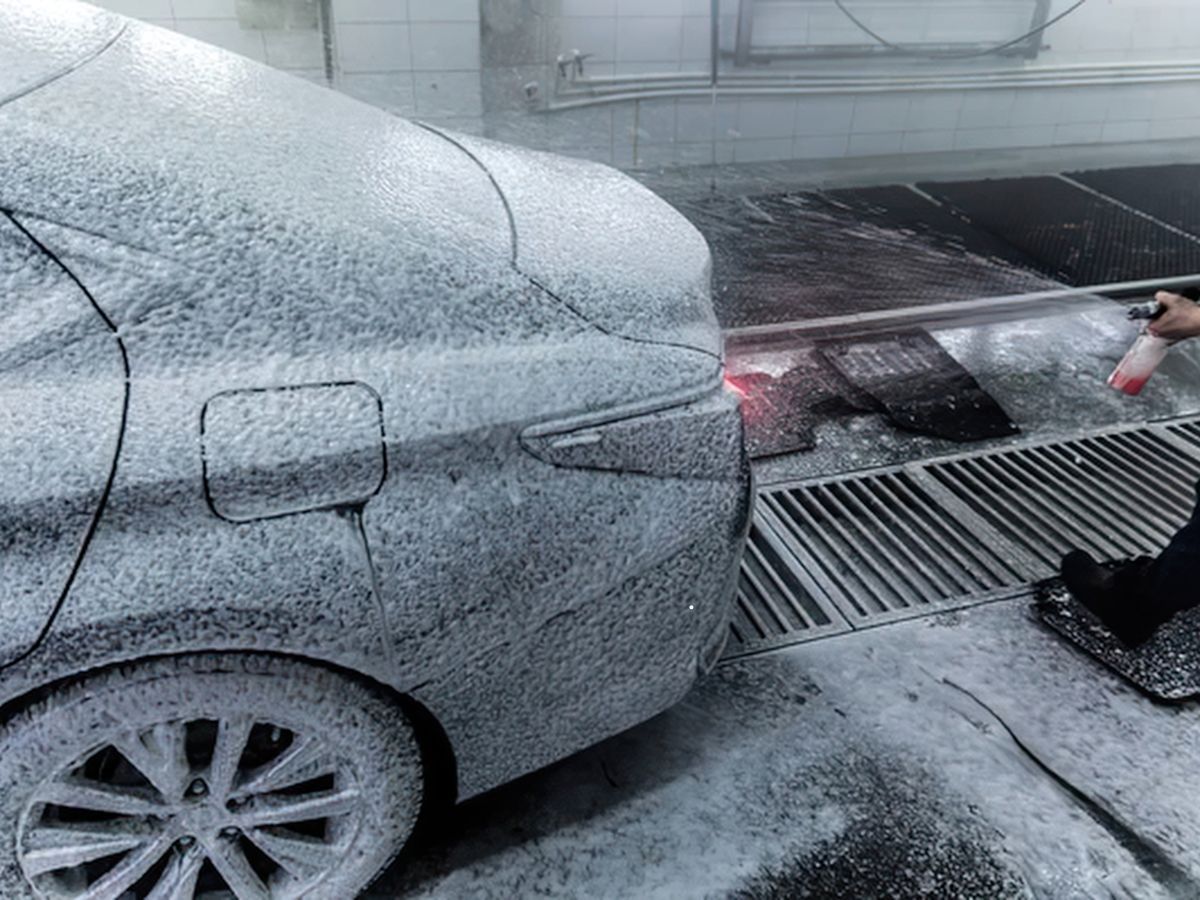
Spring is one of the most useful points in the year for a full detail, especially if you live somewhere winter roads get salted. Road salt is corrosive, and it doesn't just sit on the surface. It works into wheel wells, undercarriage components, and any spot where paint has even a small chip. A thorough exterior car detailing session in spring, including a wash that reaches those hidden areas, catches damage before it turns into rust.
Fall: Preparing for the Season Ahead
Fall detailing serves a different purpose. It's less about undoing damage and more about protecting the car before winter conditions start. A paint sealant or a fresh layer of protection applied in fall gives the paint a better shot at handling road salt and cold weather without as much long-term wear.
Summer: UV Exposure Adds Up Quietly
UV exposure doesn't announce itself the way a winter pothole does. It fades paint, dries out interior materials, and cracks leather slowly enough that most people don't notice until the damage is done. Cars parked outside all summer, especially without covered parking, benefit from UV protection built into a ceramic coating or paint protection service well before the damage becomes visible.
Daily Commuters Need a Different Routine Than Weekend Drivers
This is where "regularly" actually gets specific. A daily commuter's car collects dust, grime, and interior wear at a completely different rate than a car that mostly sits in a garage.
If you're driving daily, especially in city traffic, a basic wash every couple of weeks and a full interior car detailing every few months keeps things from getting away from you. A weekend driver can usually stretch that timeline out significantly, since the car simply isn't accumulating wear at the same pace.
For drivers who want professional care without interrupting their routine, a reliable car detailing service Union Square can make it easier to keep up with regular maintenance.stretch that timeline out significantly, since the car simply isn't accumulating wear at the same pace.
When a Basic Wash Isn't Enough
A wash handles surface dirt. It doesn't touch bonded contaminants stuck to the paint, oxidation building up on trim, or the kind of interior grime that works its way into carpet fibers over months of use.
You need a full detail, not just a wash, when:
- The paint feels rough or gritty even after washing
- Water stops beading and starts sheeting flat across the surface
- Interior odors linger after basic cleaning
- Stains have been sitting for more than a few days
- It's been six months or more since the last full service
Don't Wait on Interior Problems
This one matters more than people expect. A spill, a pet accident, or a forgotten fast food bag left in the car doesn't just sit there harmlessly. Odors set into fabric and foam, and stains that could've been lifted easily in the first day or two become permanent the longer they're left. If something happens, professional car detailing sooner rather than later is almost always the difference between a full fix and a lasting problem.
Detailing Frequency by Vehicle Type and Use
Rideshare and delivery drivers put more daily wear on a car than almost any other category. Interior detailing every few weeks isn't excessive here. It's necessary, both for the car's condition and for how it presents to passengers.
Families deal with a specific mix of spills, crumbs, and general wear from car seats and daily errands. A monthly interior refresh, with a deeper detail every few months, tends to keep things manageable.
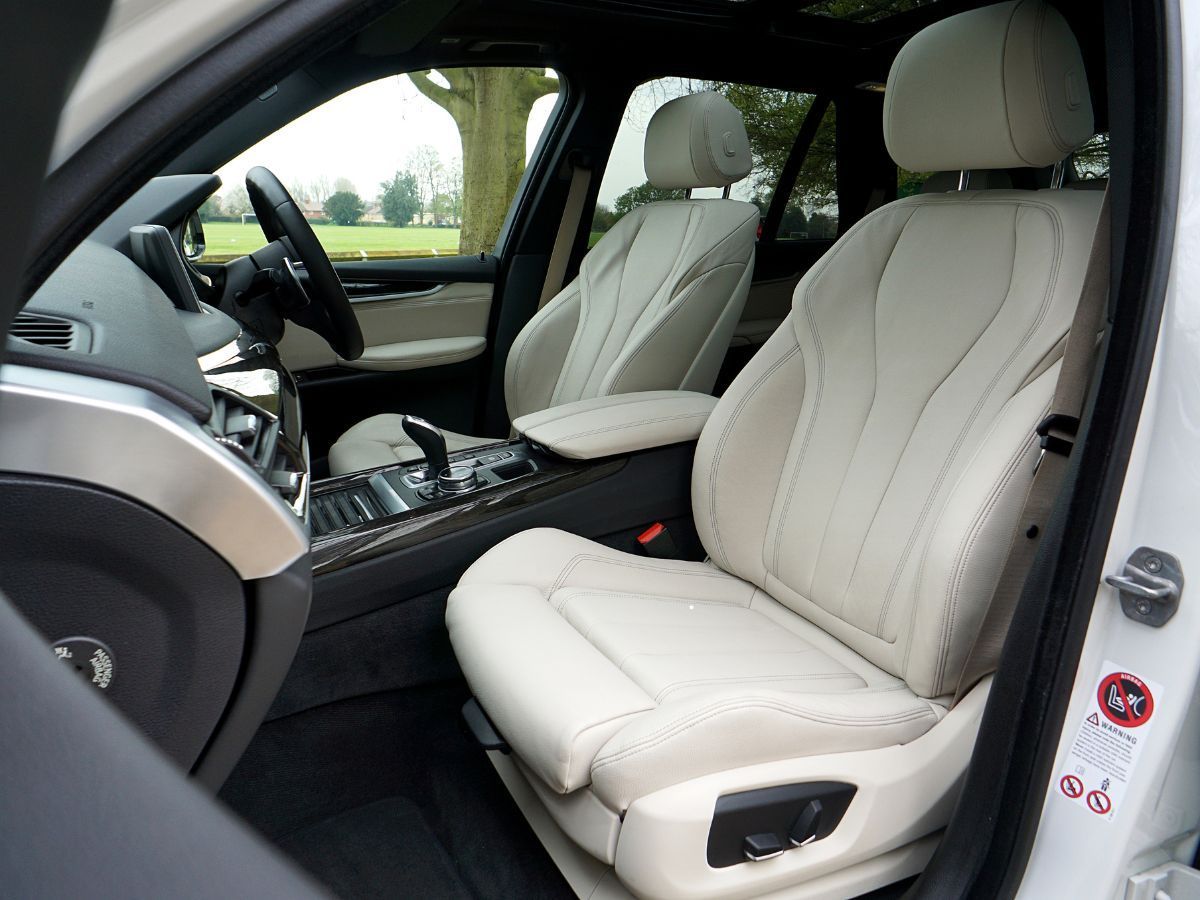
Luxury vehicles usually justify a more frequent, more careful routine, partly because the materials involved (finer leather, more delicate trim) show wear faster and cost more to repair if neglected.
Outdoor-parked vehicles, regardless of type, need more frequent exterior attention than anything kept in a garage. Sun, rain, and city grime don't pause for anyone's schedule.
Bringing It Together
If there's one piece of advice worth taking away, it's this: match the timing to how the car is actually used, not to a generic calendar reminder. A commuter, a weekend driver, and a rideshare vehicle all need different rhythms, and paying attention to season, parking, and driving habits will tell you more than any fixed schedule could.
Vapor Auto Detailing handles both routine and one-off detailing needs across NYC, including mobile car detailing at your home or workplace when a shop visit doesn't fit your schedule. Ready to get your car looked at? Contact us and Book Now for professional car detailing wherever your schedule allows.
Frequently Asked Questions
How often should I get my car detailed?
It depends on use. Daily commuters generally benefit from a full detail every few months with regular washes in between, while occasional drivers can often go longer between full services.
Is spring or fall a better time for detailing?
Both matter for different reasons. Spring detailing addresses winter damage like road salt, while fall detailing focuses on protecting the paint before winter conditions start.
Does ceramic coating reduce how often I need to wash my car?
It doesn't eliminate washing, but coated vehicles tend to shed dirt and water more easily, which often means less frequent deep cleaning is needed between washes.
Should I detail my car before selling it?
Generally, yes. A clean interior and a paint job free of visible swirl marks can influence what buyers are willing to offer, especially for a vehicle in good mechanical condition.
What's the difference between a basic wash and a full detail?
A wash removes surface dirt. A full detail addresses bonded contaminants, interior deep cleaning, and protective treatments that a wash alone won't touch.