Why Wax Isn't Enough Anymore
If you've wondered Why Wax Isn't Enough Anymore, the answer isn't that wax has stopped working. It's that today's drivers often expect more from their paint protection.
Many vehicles spend long hours outdoors, face heavy traffic, and deal with road grime, bird droppings, and changing weather. That's why products like paint sealant and ceramic coating have become popular.
That doesn't mean car wax no longer has a place. It still provides a rich finish and works well for owners who enjoy caring for their vehicles regularly. The key is understanding what each option offers and choosing the one that fits your vehicle and your routine.
Understanding Your Paint Protection Options
Each type of paint protection offers different benefits. The right choice depends on your vehicle, driving habits, and how much maintenance you're willing to do.
Traditional Car Wax
Car wax is easy to apply and gives paint a warm, glossy finish. It's a good choice for owners who enjoy maintaining their vehicles, but it typically needs more frequent reapplication than newer protection products.
Paint Sealant
A paint sealant provides longer-lasting protection than wax while enhancing gloss and helping water and dirt slide off the paint more easily. It offers a practical balance between protection, appearance, and maintenance for many daily drivers.
Ceramic Coating
Ceramic coating is designed for owners who want longer-term vehicle protection and easier maintenance. It helps repel dirt and water, making routine washing simpler. However, it isn't scratch-proof and doesn't replace regular car washing.
Preparation Matters More Than the Product
No matter which option you choose, preparation plays a major role in the final result.
A Clean Surface Comes First
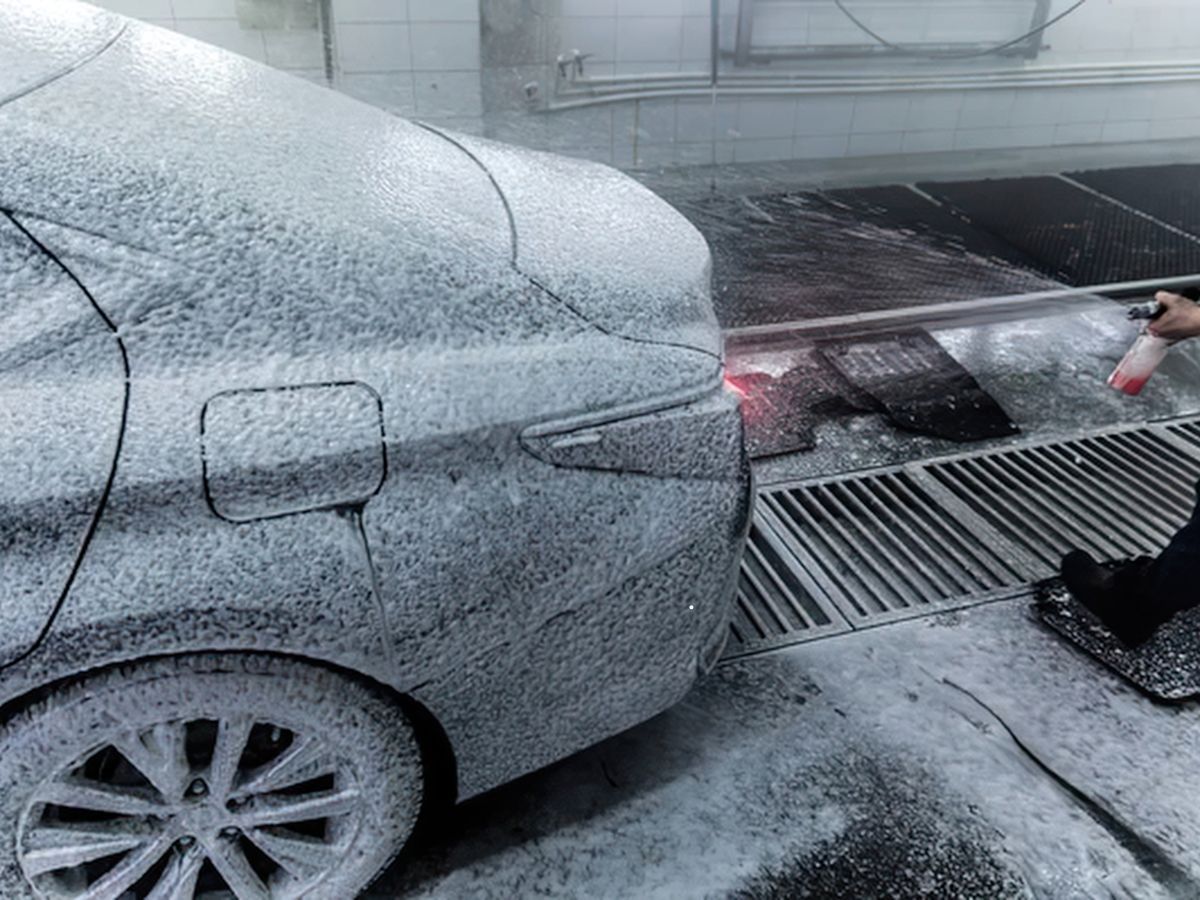
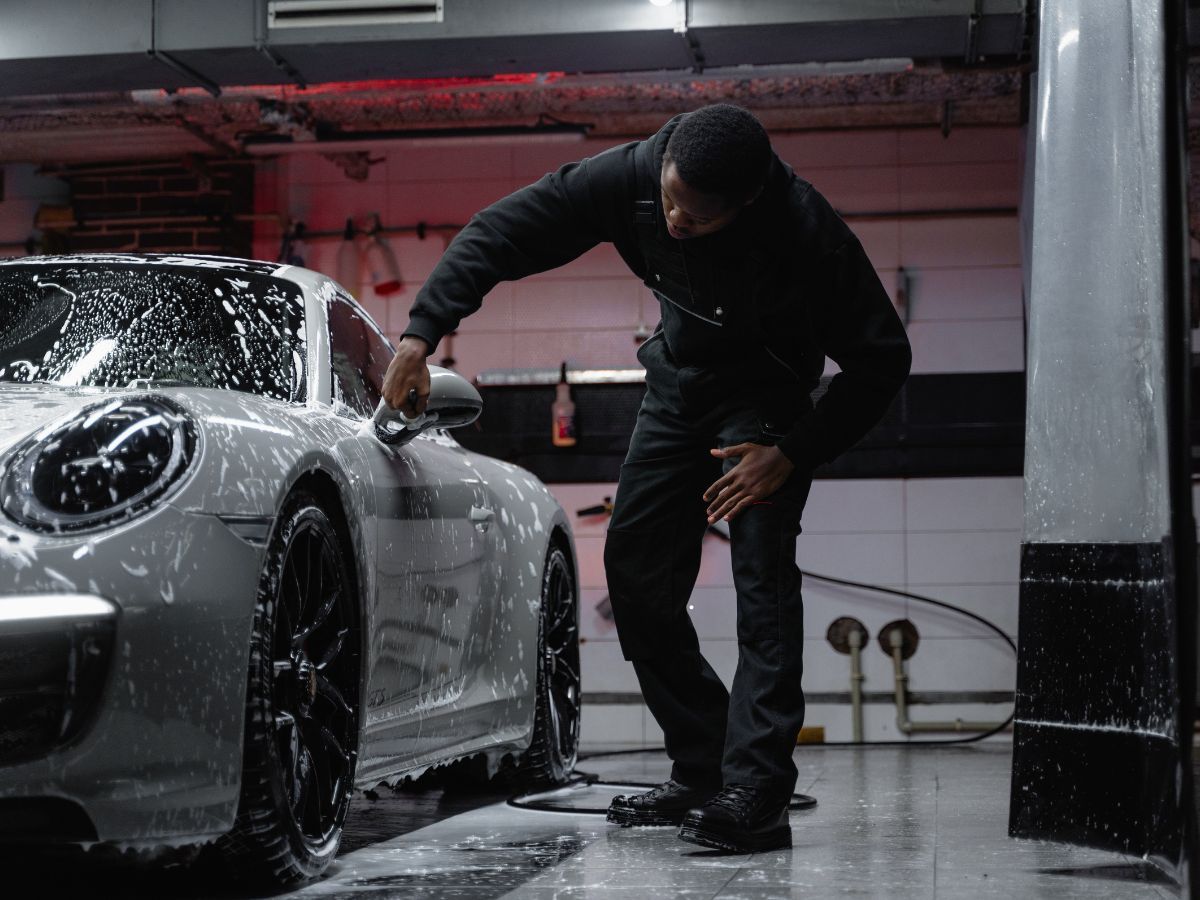
Before applying wax, a paint sealant, or ceramic coating, the paint should be washed thoroughly to remove dirt and road film.
For vehicles with bonded contaminants, a clay bar treatment is often recommended. It removes particles that normal washing can't, leaving the surface smoother and helping protective products bond more effectively.
When Paint Correction Is Worth Considering
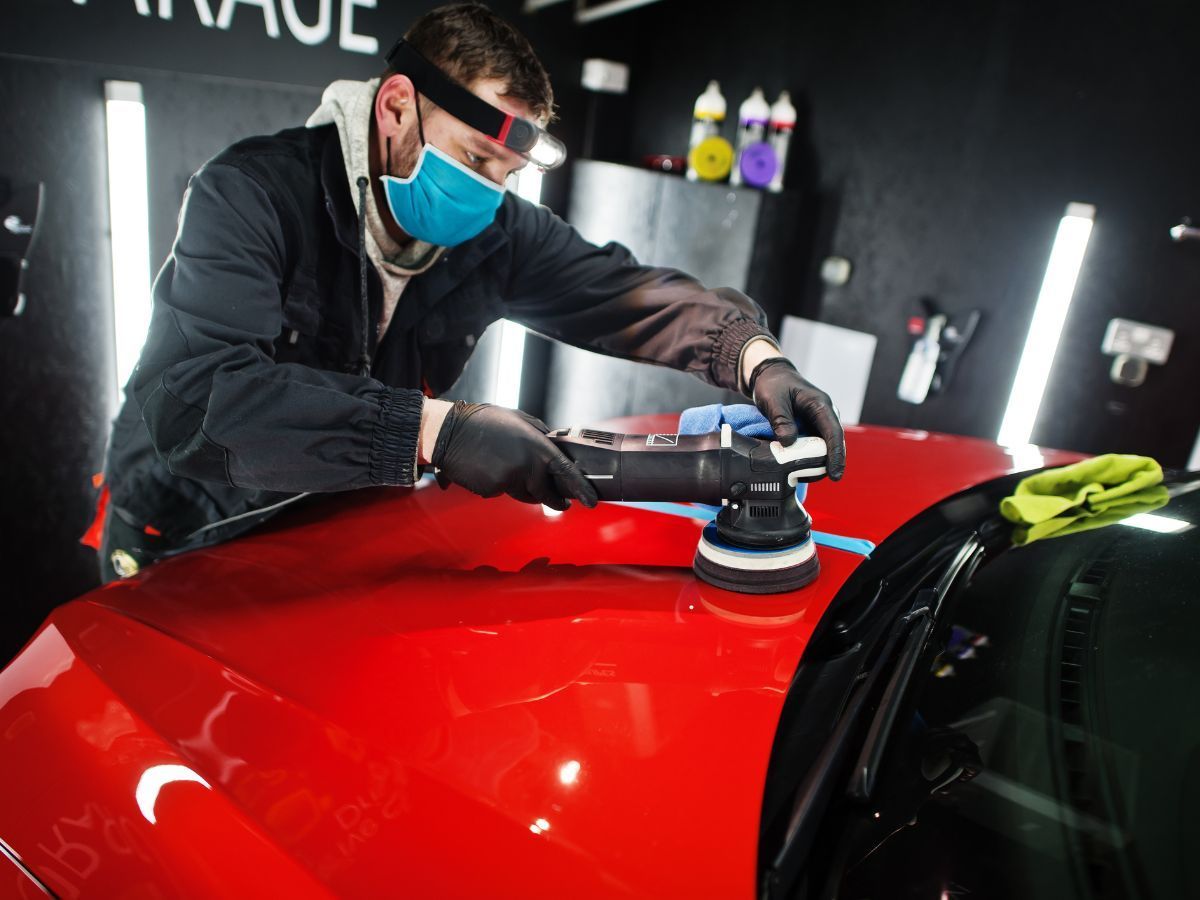
If the paint has noticeable swirl marks, oxidation, or light scratches, paint correction may improve the final appearance before protection is applied.
Not every vehicle needs correction. A newer car with paint in good condition may be ready for protection after proper cleaning and preparation. The condition of the paint should always guide the recommendation, not the other way around.
Which Option Makes the Most Sense?
The best choice depends on how you use your vehicle, where it's parked, and how much maintenance you're comfortable doing.
Daily Drivers
If your car is used every day, a paint sealant or ceramic coating usually makes more sense than relying on wax alone. Both options help reduce the amount of dirt that sticks to the paint and make regular washing easier.
Luxury and New Vehicles
Many owners of luxury or newer vehicles choose ceramic coating to help protect the finish from the start. If the paint has minor swirl marks, paint correction may be worthwhile before the coating is applied.
Older Cars
An older vehicle doesn't always need ceramic coating. If the paint is in reasonable condition, a quality paint sealant or even car wax can improve the appearance and provide practical protection without the added cost of a coating.
Vehicles Parked Outdoors
Cars that spend most of their time outside face constant exposure to UV rays, rain, bird droppings, tree sap, and other contaminants. Longer-lasting paint protection can make routine maintenance easier, but regular washing is still important.
Owners Who Enjoy Maintaining Their Cars
Some people simply enjoy waxing their vehicles. If you like spending time caring for your car and don't mind applying protection more often, wax remains a perfectly good option.
Maintenance Still Matters
No paint protection product eliminates the need for regular care.
Regardless of whether you choose wax, paint sealant, or ceramic coating, your vehicle will still benefit from:
- Routine washing to remove dirt and contaminants.
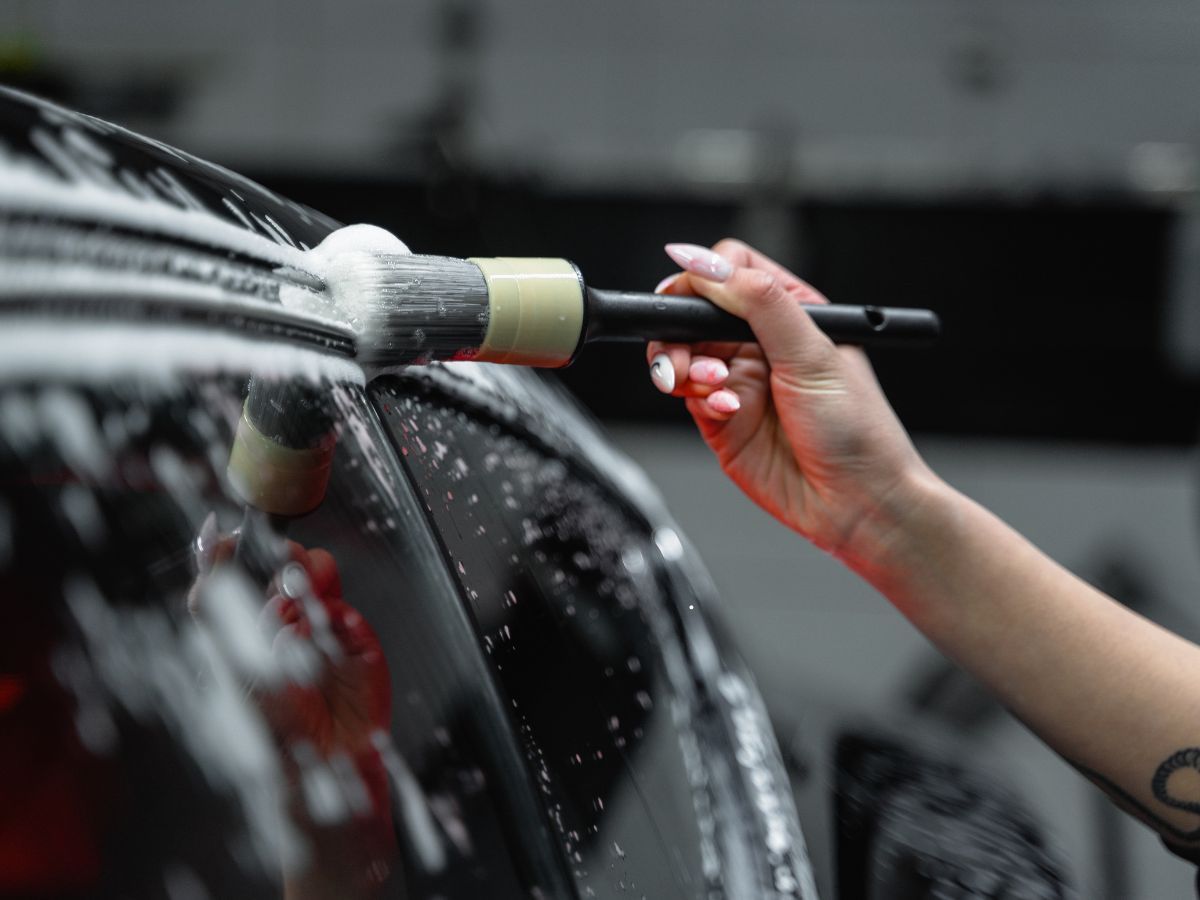
- Safe washing techniques that reduce swirl marks.
- Prompt removal of bird droppings, tree sap, and bug residue.
- Periodic inspections to keep the paint looking its best.
The difference is that modern protection products can make those routine cleaning tasks easier.
Summing Up
The biggest mistake isn't choosing wax over ceramic coating or the other way around. It's applying any protection to paint that hasn't been properly cleaned or prepared. Good results always start with the condition of the surface underneath.
At Vapor Auto Detailing, preparation comes first. From exterior detailing and paint correction to long-term protection, we'll recommend the services that make the biggest difference for your vehicle.
If you're ready to give your paint the protection it deserves, our team is here to help. Call Us to find the right solution for your vehicle.
Frequently Asked Questions
Is car wax still worth using?
Yes. Car wax is still a good option for owners who enjoy regular vehicle care and want a glossy finish. It simply requires more frequent application than products like paint sealants or ceramic coatings.
Is ceramic coating better than wax?
It depends on your goals. Ceramic coating offers longer-lasting paint protection and easier maintenance, while wax is a practical choice for owners who don't mind reapplying protection as part of their routine.
Does ceramic coating make paint scratch-proof?
No. Ceramic coating helps protect against everyday contaminants and makes washing easier, but it doesn't prevent scratches, rock chips, or all paint damage.
Does every vehicle need paint correction before protection?
No. Paint correction is helpful when the paint has swirl marks, oxidation, or light scratches. Vehicles in good condition may only need proper cleaning and preparation before protection is applied.
Can I stop washing my car after applying ceramic coating?
No. Ceramic coating doesn't replace regular maintenance. Washing your vehicle is still important to remove dirt, road grime, and other contaminants that build up over time.