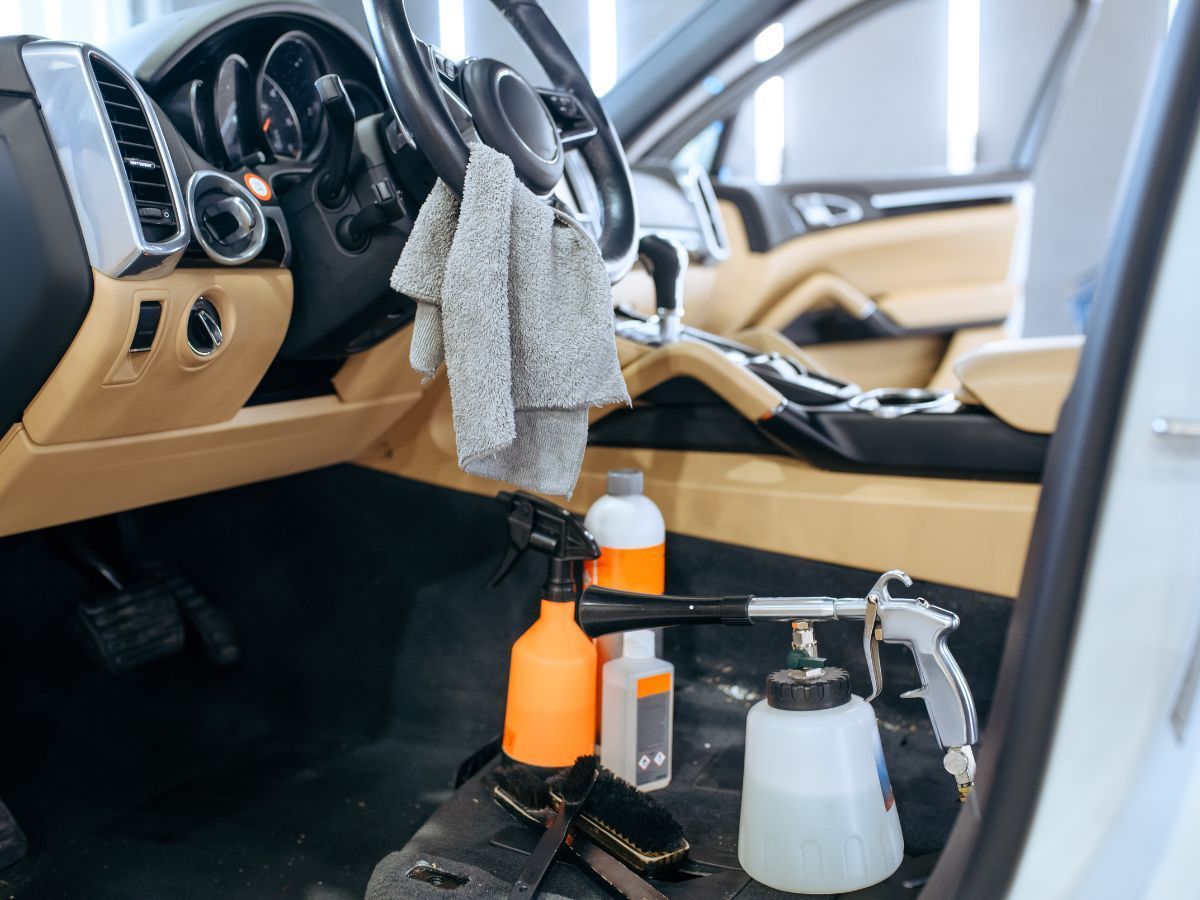
How Interior Detailing Helps Protect Leather and Fabric Seats
If you've wondered how Interior Detailing Protect Leather and Fabric Seats, the answer starts with understanding that every seat material responds differently to everyday use. Leather, fabric, synthetic leather, and Alcantara-style upholstery react differently to dirt, spills, moisture, and friction.
Using the right cleaning methods helps preserve these materials, while the wrong approach can shorten their lifespan.
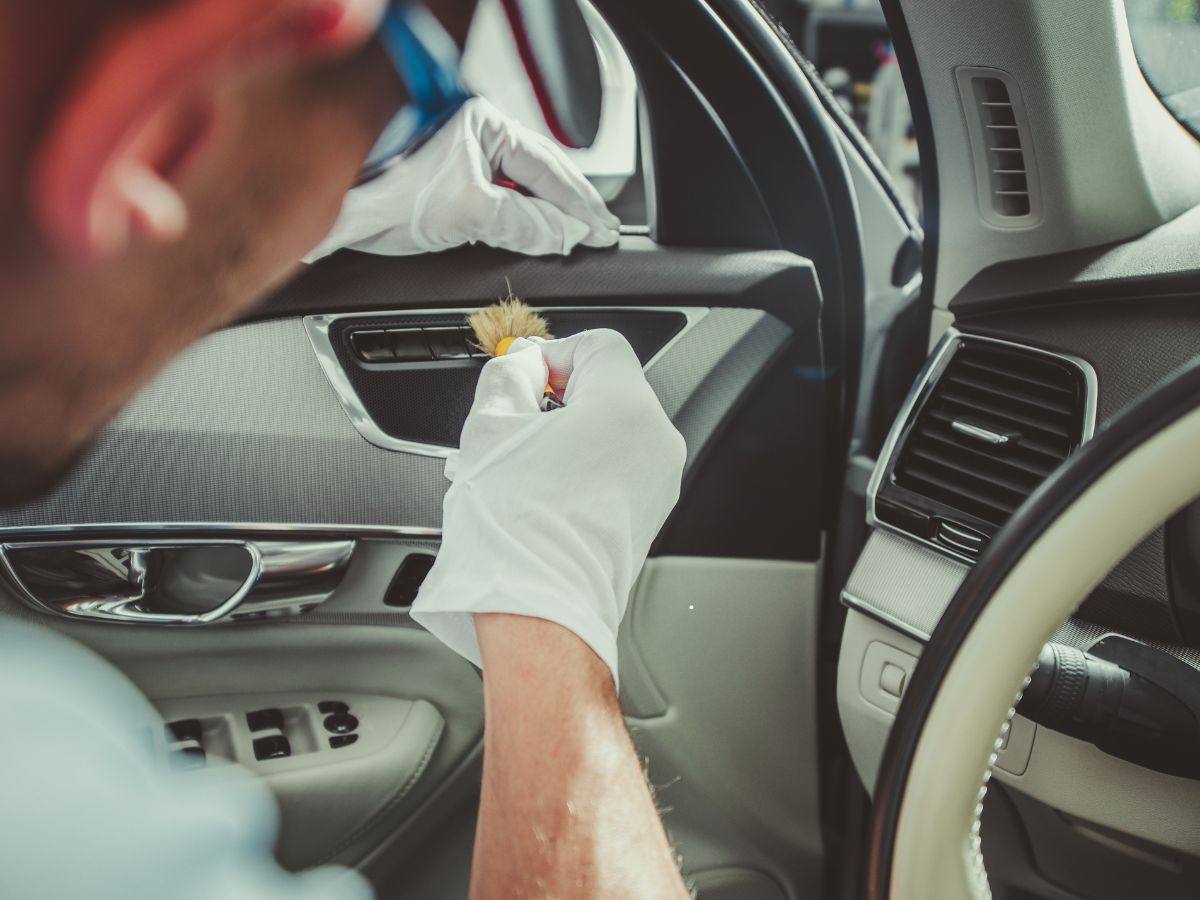
Regular vacuuming is a good habit, but it's only the beginning. Professional interior detailing removes embedded dirt, treats stains, and uses products designed for each material instead of relying on one cleaner for every surface.
Why Different Seat Materials Need Different Care
Not all vehicle seats wear the same way, so they shouldn't be cleaned the same way either.
Leather Seats
Leather is durable, but it still needs regular care. Dust, body oils, and daily friction gradually wear down the surface, especially around seat bolsters and stitching.
Leather seat cleaning removes dirt and oils, while leather conditioning restores moisture to help keep the material soft and reduce the risk of cracking. Both steps work together to extend the life of leather seats.
Synthetic Leather
Synthetic leather is easier to maintain than genuine leather, but harsh household cleaners can still dull the finish or leave residue behind. Professional detailing uses products designed to clean safely without damaging the protective coating.
Fabric Seats
Fabric traps dust, crumbs, and moisture deep within the fibers. If spills aren't cleaned quickly, they can soak into the padding, making stain removal much more difficult.
Professional fabric seat cleaning lifts dirt while controlling moisture, reducing the chance of lingering odors.
Alcantara-Style Materials
Alcantara-style upholstery needs a gentle approach. Aggressive scrubbing or harsh cleaners can flatten the fibers and change the texture. Professional cleaning removes dirt while helping preserve the material's soft finish.
Why Vacuuming Is Only the First Step
Vacuuming removes loose dirt, but it can't reach everything hidden inside a vehicle's interior.
Dust and Grit Cause Wear
Fine dust and grit settle into seat seams and stitching. As people get in and out of the vehicle, those particles rub against the material, gradually increasing wear, especially on leather and high-use fabric seats.
Spills Become Harder to Remove
Spills are much easier to remove when treated quickly. Left too long, they soak into the padding, making stains more difficult to clean. Family vehicles and rideshare cars often benefit from early treatment because spills happen more frequently.
Pet Hair and Odors Need Extra Attention
Pet hair often becomes embedded in fabric, while odors can linger below the surface. Professional pet hair removal and odor removal target the source instead of simply covering up the smell.
When Professional Interior Detailing Makes the Biggest Difference
Not every interior needs deep cleaning all the time. But when stains, odors, or wear begin to build up, professional detailing can make a noticeable difference.
Leather Cleaning and Conditioning
Cleaning and conditioning serve different purposes. Cleaning removes dirt and oils, while conditioning helps maintain flexibility and reduces the risk of drying and cracking. Skipping either step can shorten the life of leather seats.
Steam Cleaning and Safe Products
Steam cleaning helps loosen dirt from many fabric and hard interior surfaces while reducing the need for strong chemicals. Because not every material responds the same way, professional detailers choose the safest method for each surface.
Harsh household cleaners can damage leather, vinyl, and fabric or leave behind residue that attracts more dirt. Professional products are selected specifically for automotive interiors.
Who Benefits Most From Professional Interior Detailing?
Every vehicle benefits from interior care, but some owners need it more often than others.
Family Vehicles
Crumbs, spills, muddy shoes, and child seats create constant wear. Regular detailing helps keep stains from becoming permanent.
Luxury Vehicles
Premium leather and Alcantara-style materials require specialized care to maintain their appearance and feel.
Rideshare Vehicles
Passengers notice the interior immediately. Keeping it clean creates a better impression while helping manage heavy daily use.
Vehicles With Pets or Older Interiors
Pet hair, lingering odors, and years of built-up dirt often require more than household cleaning. While detailing can't restore every damaged seat, it can significantly improve cleanliness and presentation.
Conclusion
Looking after your seats isn't just about keeping them clean. Regular interior detailing helps reduce everyday wear, protect leather and fabric, and address stains or odors before they become harder to remove. The right care depends on the material, the vehicle's age, and how it's used.
Keeping your seats in good condition starts with proper care. At Vapor Auto Detailing, we tailor every interior detail to your vehicle’s materials like leather, fabric, or specialty upholstery for lasting results.
Book Now or Call Us to give your interior the care it deserves.
Frequently Asked Questions
How often should I get my car's interior professionally detailed?
It depends on use. Daily commuters and family vehicles generally benefit from more frequent attention than a car that's driven occasionally and kept in a garage.
Can interior detailing remove pet hair completely?
Professional pet hair removal is significantly more effective than a standard vacuum, though heavily embedded hair may require more than one pass depending on the amount and how long it's been there.
Does interior detailing get rid of odors permanently?
It depends on the source. Surface odors typically respond well to steam cleaning and treatment, but odors from something deeply embedded, like a long-term spill in the padding, may require more thorough or repeated treatment.
Is leather cleaning different from regular interior cleaning?
Yes. Leather needs specific cleaning products and conditioning to prevent drying and cracking, which is different from the cleaning approach used on fabric or plastic surfaces.
Does a lightly used car still need interior detailing?
Less often than a daily driver, but even lightly used cars benefit from occasional attention, since dust and general wear still accumulate over time even without heavy use.