Can I Wash My Car After a Window Tint?
Getting a fresh window tint installed is one of the smartest upgrades you can make for your vehicle. It boosts privacy, blocks harmful UV rays, and gives your ride a sleek, finished look. But the moment you drive away from the shop, one big question pops into your head: When is it actually safe to wash my car again?
At Vapor Auto Detailing, we hear this question almost every single day from clients across New York. Whether you've recently invested in window tint in New York or another professional window tint service, the truth is that what you do in the first few days after installation can either preserve your tint for a decade or ruin it within weeks. This guide will walk you through everything you need to know.
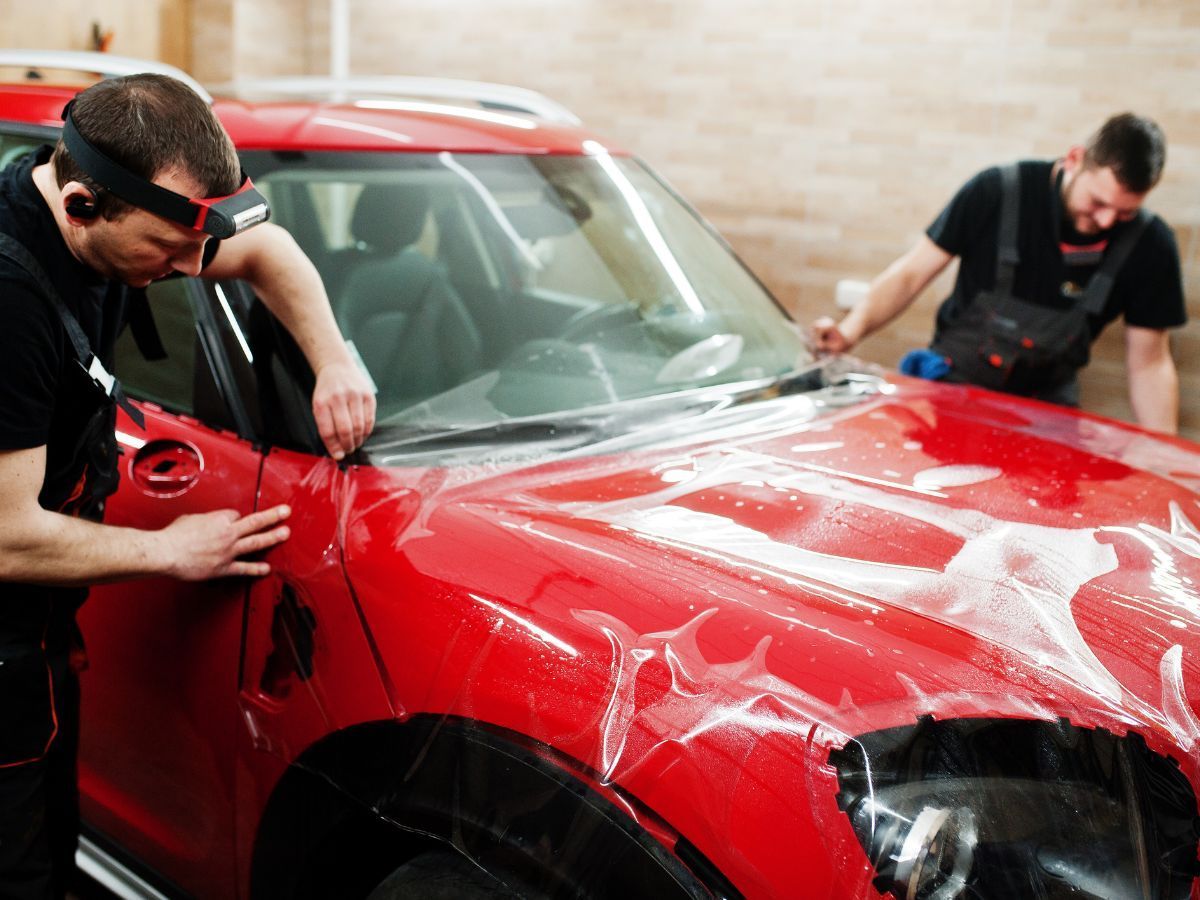
Window tint is more than just a dark layer of plastic stuck to your glass. It's a precision-cut polyester film treated with adhesives, dyes, and sometimes ceramic or metallic particles that need time to bond properly with the glass surface. Rushing the curing process by washing too soon can lead to peeling edges, water pockets, and a hazy finish that ruins all your hard-earned investment.
How Long Should You Wait Before Washing Your Car?
The general rule of thumb is to wait at least three to four days before giving your car any kind of wash after a tint installation. This window gives the tint adhesive enough time to dry and form a strong bond between the film and the glass.
However, this timeline can stretch longer depending on the weather and humidity in your area. In colder, damper conditions like a New York winter, you may need to wait up to seven days to be completely safe. Warmer, sunnier days speed up the curing process, while overcast weather slows it down significantly.
What Happens If You Wash Your Car Too Soon?
Washing your car before the curing time is complete can cause real damage to your new tint. The film is still settling, and exposure to water pressure, soap, or scrubbing can lift the edges before they fully seal.
You may notice problems like bubbling, peeling corners, or cloudy water spots trapped underneath the film. These issues are rarely covered under warranty
because they result from improper aftercare. Once the damage is done, the only fix is usually a full reinstallation, which means spending money twice for the same job.
Exterior Washing vs. Interior Cleaning After Tint
There's an important distinction many car owners miss when it comes to post-tint care. Washing the outside of your car and cleaning the inside of the tinted glass are two completely different concerns with different rules.
Exterior Washing Guidelines
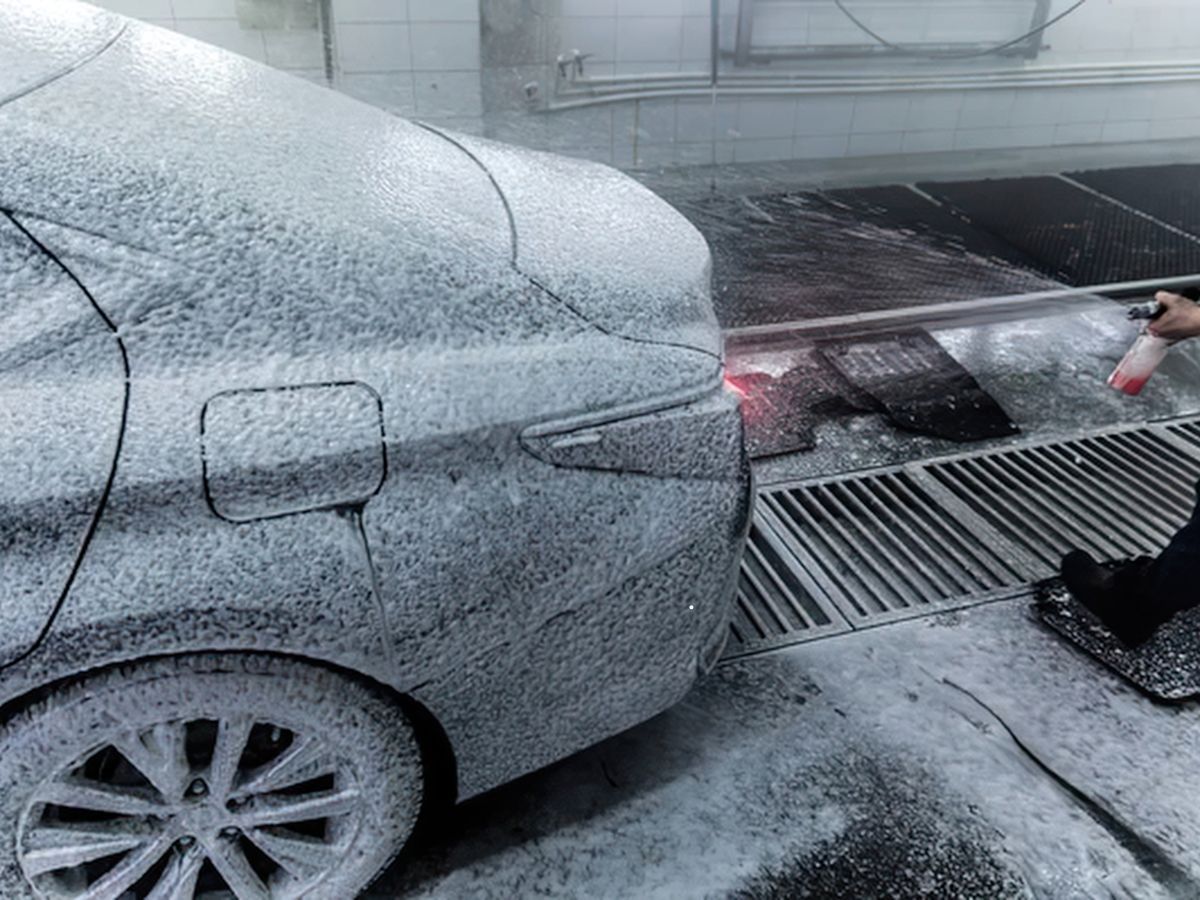
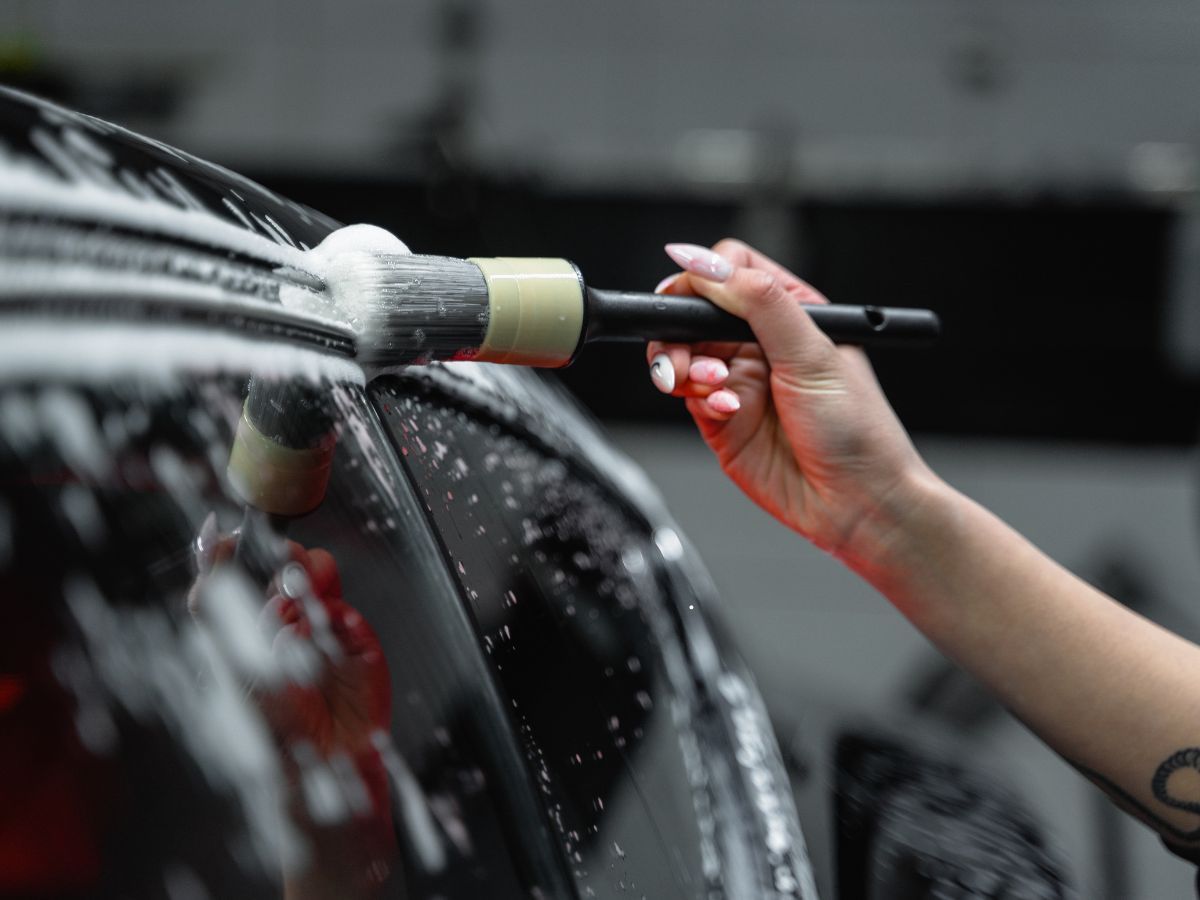
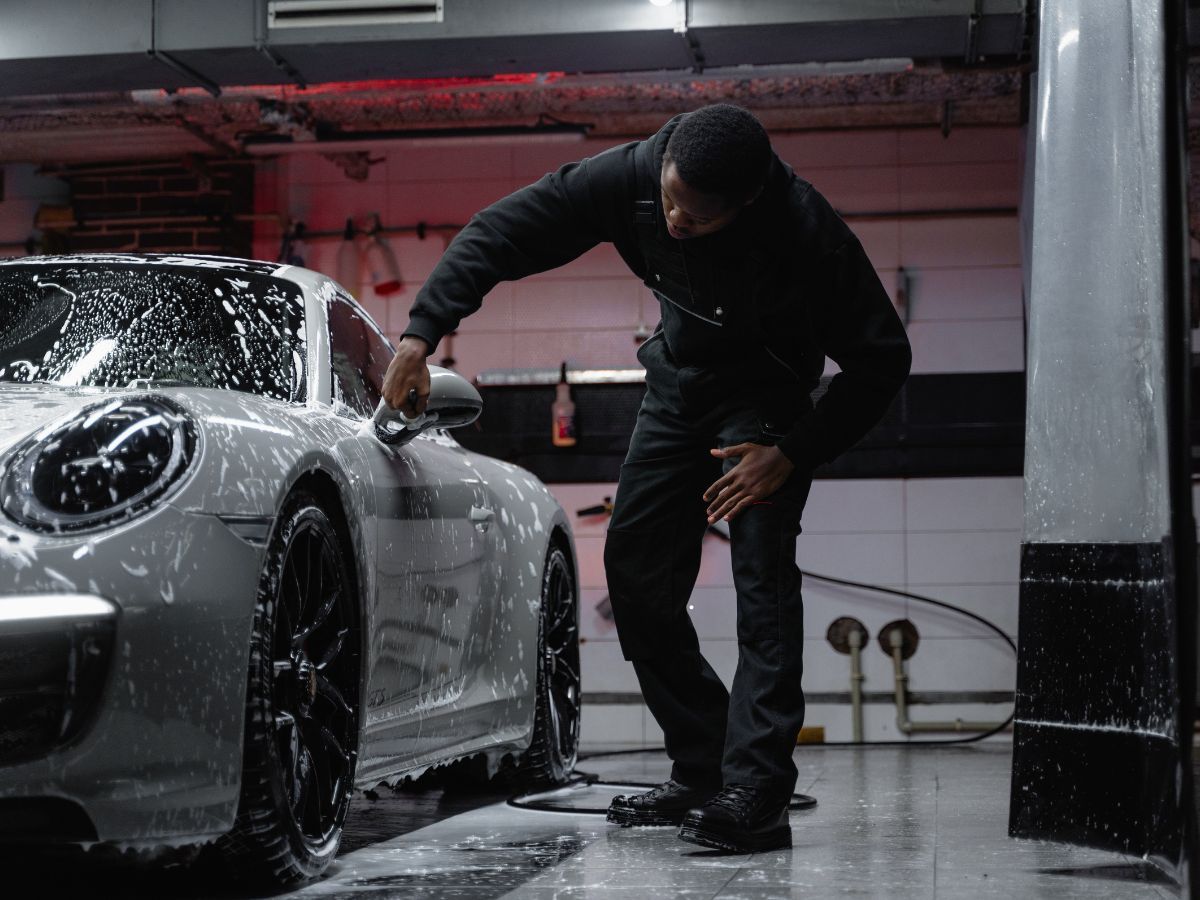
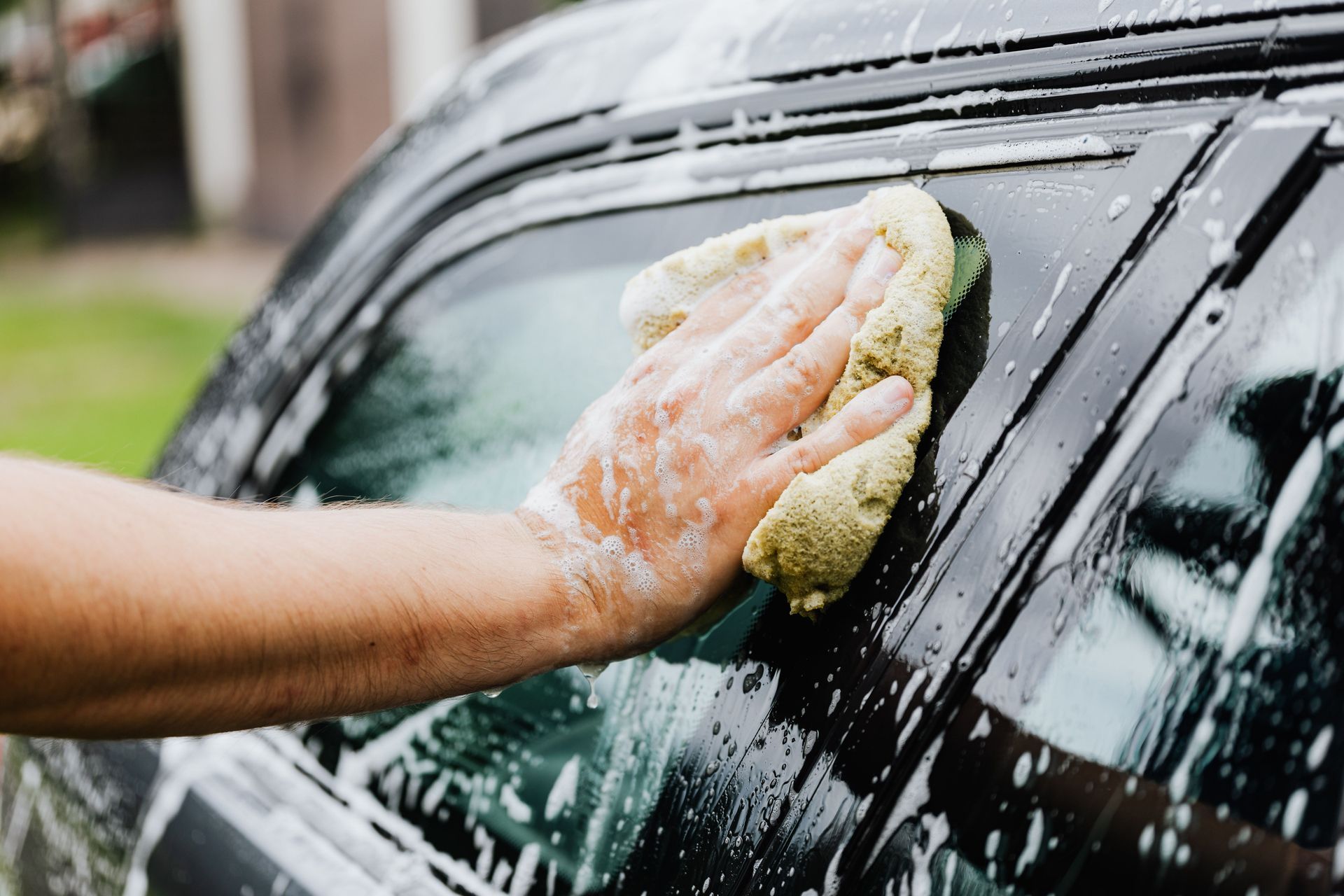
You can typically wash the exterior of your vehicle just a few days after installation as long as you avoid high-pressure jets near the window seals. A gentle hand wash with a soft microfiber mitt and pH-balanced soap is always the safest option.
Stay away from automatic car washes during the first week since the spinning brushes and harsh chemicals can disturb the film along the edges. If you absolutely need a quick rinse, opt for a touchless wash with low-pressure settings.
Interior Glass Cleaning Rules
The inside of your tinted windows requires extra patience and care. You should wait a minimum of 30 days before wiping down the interior side of the glass with any cleaning product.
When you do clean it, never use ammonia-based cleaners like standard window sprays since they can break down the tint film and cause discoloration over time. Stick to a soft microfiber cloth and a mixture of distilled water with a few drops of mild dish soap.
Best Practices for Long-Lasting Window Tint
Proper aftercare goes beyond just waiting a few days to wash your car. To keep your tint looking flawless for years, you'll want to build some good habits into your regular car care routine.
Always roll down your windows slowly during the first week to prevent the film from catching on the rubber seals. Avoid parking in direct sunlight when possible during the curing period since extreme heat fluctuations can affect adhesion. Keep sharp objects, suction cup mounts, and stickers away from the tinted surface at all times.
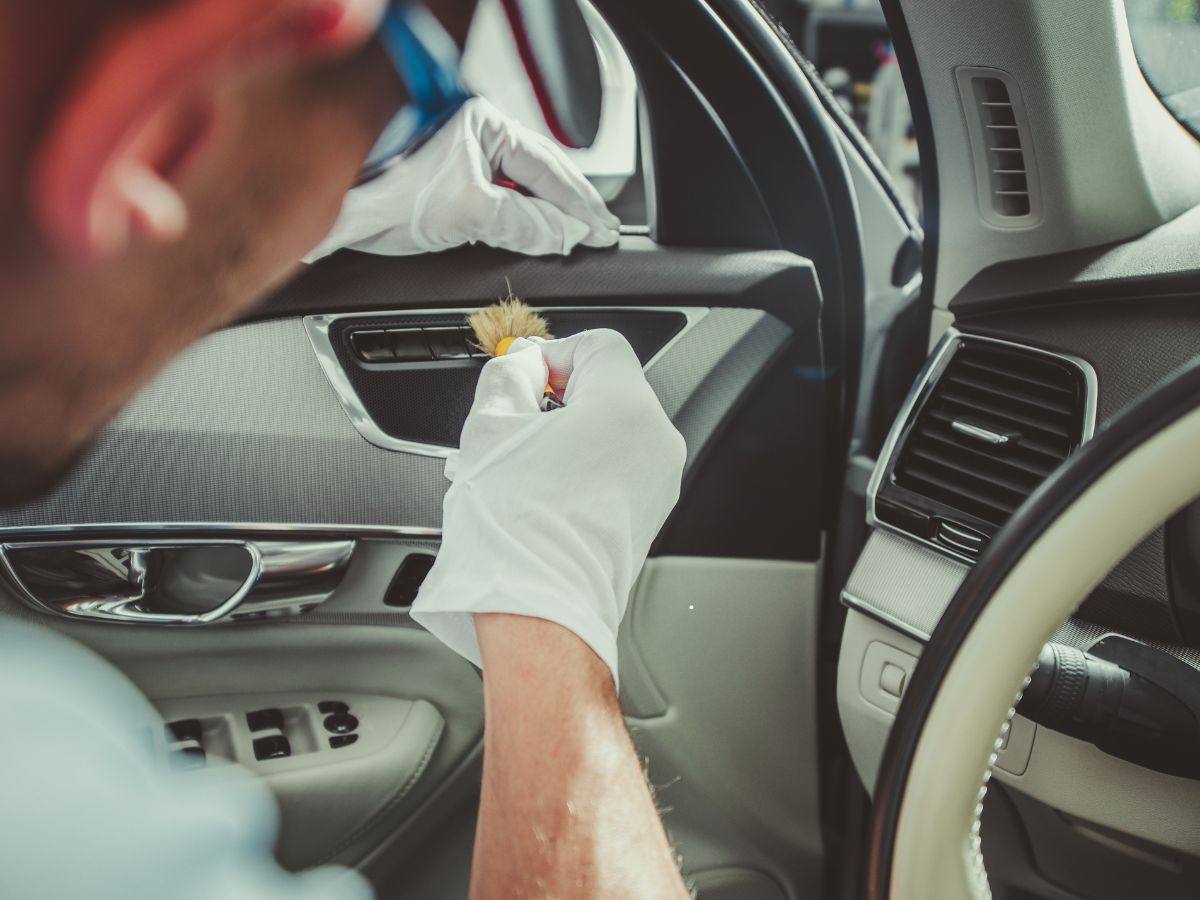
For deeper cleans, consider pairing your tint with professional
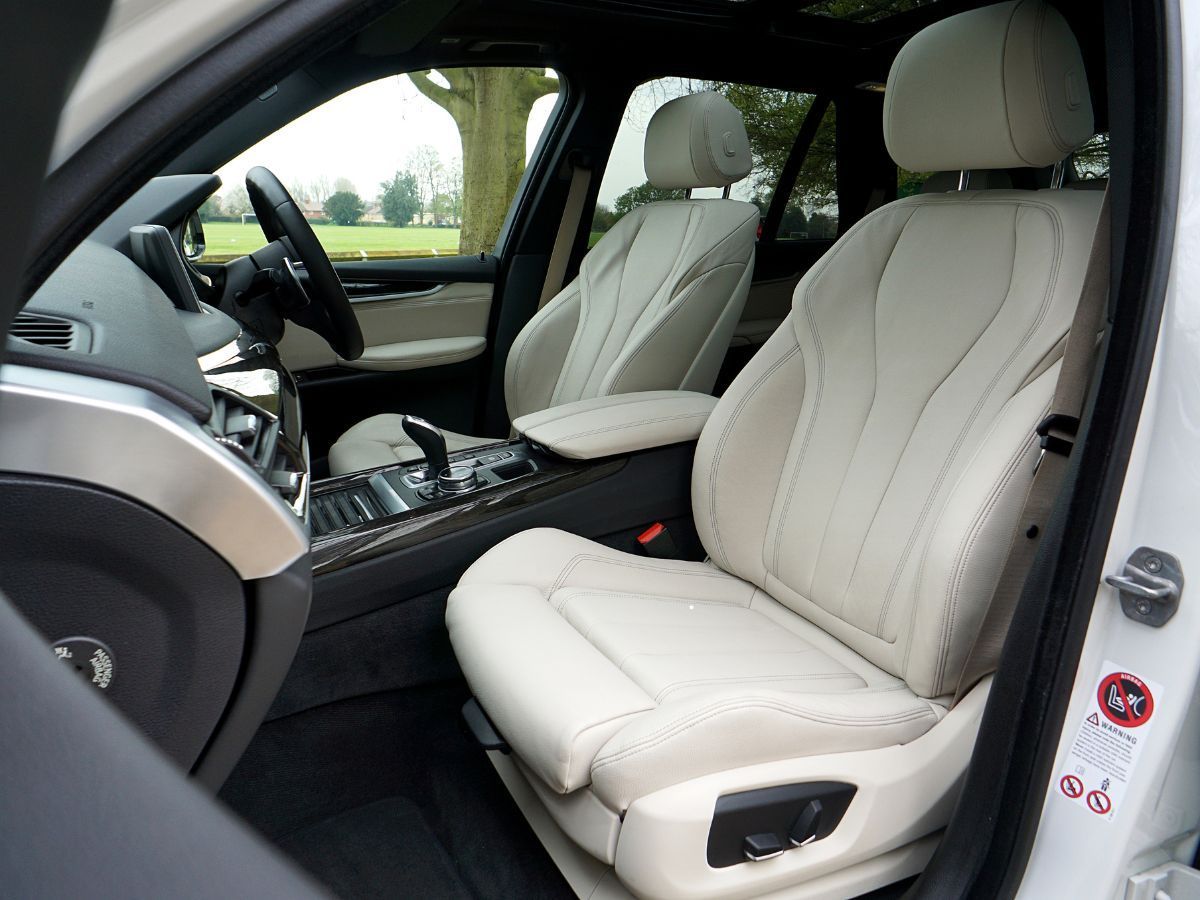
interior detailing every few months. This keeps the dashboard, glass edges, and surrounding trim free from dust and grime that can scratch your film during DIY cleaning.
Signs Your Tint Is Fully Cured
Knowing when your tint has finished curing helps you avoid unnecessary worry and lets you return to your normal wash routine with confidence. Most tints show clear visual cues when they're fully set.
You may notice a slight haze or cloudiness on the windows during the first few days, which is completely normal and caused by moisture trapped between the film and the glass. Small water bubbles may also appear, but these usually disappear on their own within a week or two. Once the windows look clear, smooth, and free of any moisture, your tint is ready for regular cleaning.
Why Professional Installation Matters
A big part of how well your tint performs after installation comes down to the quality of the work itself. Professional installers like our team understand factors like glass curvature, film type, and local climate conditions that affect curing.
DIY tint kits often skip the heat shrinking process, use lower-grade adhesives, and leave behind contaminants under the film. This shortens the lifespan of the tint dramatically and increases the risk of post-wash damage. When you choose an experienced shop, you also gain access to warranty protection and expert aftercare guidance.
FAQ
Can I wash my car the day after getting a window tint?
No, you should wait at least three to four days before any wash. The adhesive needs time to cure properly, and early water exposure can cause peeling or bubbling along the edges of the film.
Is it safe to use a touchless car wash after window tinting?
Touchless washes are safer than automatic brush washes, but it's still best to wait about a week. High-pressure nozzles aimed near the window seals can lift the film if used too soon.
How do I clean the inside of my tinted windows?
Wait at least 30 days, then use a soft microfiber cloth with ammonia-free cleaner or distilled water with mild soap. Avoid paper towels and harsh chemicals to prevent scratching or discoloration.
Will rain damage a fresh window tint?
Rain on the outside of your car won't harm a new tint since the film is installed on the inside of the glass. Just avoid rolling down your windows during heavy rainfall for the first few days.
How long does a professional window tint last?
A high-quality tint installed by professionals can last anywhere from 5 to 15 years with proper care. Factors like film quality, climate, and aftercare habits all play a role in its longevity.
Conclusion
Your new window tint is an investment that deserves a little patience and care to truly shine for years to come. By following the right wash timelines and aftercare habits, you'll enjoy crisp visibility, lasting UV protection, and a clean finish that turns heads. If you're curious about how our team handles every detail, take a look at our reviews to see what New York drivers are saying.
At Vapor Auto Detailing, we go the extra mile to make sure every tint installation comes with expert guidance on aftercare so your film stays flawless. Ready to upgrade your ride with professional window tinting or a full detail package?
Contact us today and let our mobile team bring premium service straight to your driveway.