When Does a Car Need Types of Wax Auto Detailing
"If you have ever run your hand across the hood and noticed water sitting flat instead of beading up, you already know something is off with your paint. A lot of drivers want to know exactly when a car needs types of wax auto detailing actually covers, since not every wax works the same way or lasts the same amount of time. By the end of this guide, you will know how to spot the signs that your paint needs attention, which wax option fits your situation, and how often this maintenance step should really be done. By the way, if you are looking for car wax alternatives, there are also modern paint protection options worth considering. Let us start with the clearest indicators that your car is due for a fresh coat.
Signs Your Car Is Overdue for Wax
Your paint usually gives you plenty of warning before things get bad; you just have to know what to look for.
- Water stops beading and instead spreads flat across the surface
- The paint looks dull or hazy even after a fresh wash
- Small scratches and swirl marks seem more visible than before
- Color appears slightly faded, especially on darker vehicles
- Your car has been sitting outside through harsh weather for months
If any of these sound familiar, your paint's protective layer has likely worn down and needs to be refreshed before deeper damage sets in.
The Main Types of Wax Used in Auto Detailing
Not all wax products are created equal, and understanding the differences helps you choose the right option for your vehicle.
1. Paste Wax: This is the traditional option most people picture when they think of car wax. It typically offers a deep, rich shine and decent protection, though it takes more effort to apply and buff compared to other formulas.
2. Liquid Wax: Liquid wax spreads more easily than paste and often dries faster, making it a popular middle ground for drivers who want solid protection without spending hours on application.
3. Spray Wax: This is the quickest option available, usually applied after a wash for a fast top-up of shine and protection. It does not last as long as paste or liquid formulas, but it works well for maintaining a coat between more thorough applications.
4. Synthetic Sealant: Technically not a true wax, synthetic sealants use polymer technology to bond more tightly with paint, often outlasting traditional wax by several months.
5. Hybrid Ceramic Wax: This newer option blends traditional wax ingredients with ceramic particles, offering improved durability and water repellency compared to classic formulas, though it still falls short of a full ceramic coating in long-term protection.
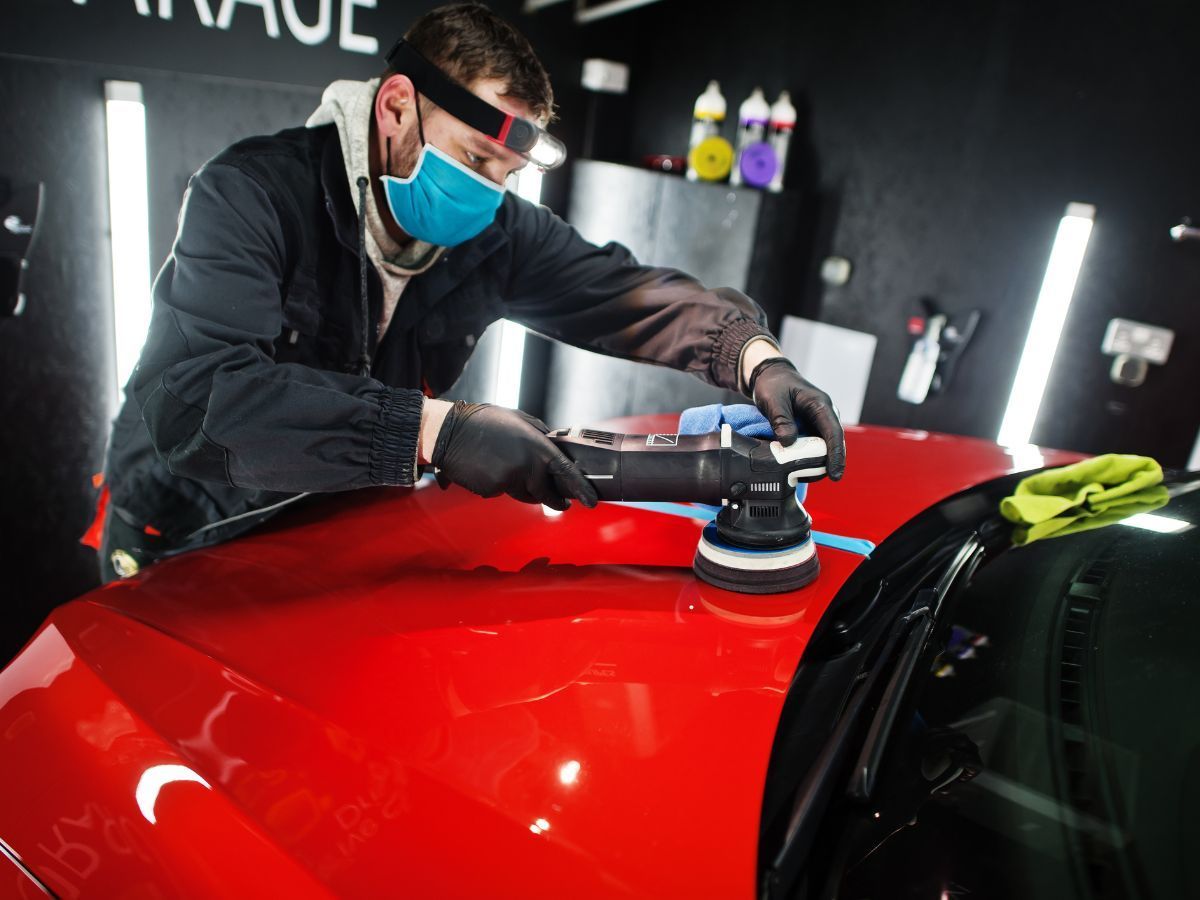
If your paint has visible scratches or oxidation before applying any of these, paint correction should happen first to ensure the wax bonds to a clean, smooth surface.
How Often Should You Wax Your Car?
Frequency really depends on which type of wax you choose and how your vehicle gets used day to day.
Paste and liquid wax typically last around two to three months before reapplication becomes necessary. Spray wax wears off much faster and often needs a refresh every few weeks, depending on wash frequency. Synthetic sealants and hybrid ceramic wax tend to last longer, sometimes stretching four to six months with proper care.
Vehicles parked outside in New York, especially during the winter months with road salt exposure, may require more frequent applications to maintain adequate protection.
Wax Versus Ceramic Coating
A common point of confusion is whether wax and ceramic coatings serve the same purpose; while they overlap in some ways, they are not interchangeable.
Wax offers a temporary layer of shine and protection lasting weeks to months, while ceramic coating creates a much more durable, long-term bond that can last years rather than months. For drivers who want consistent upkeep without frequent reapplication, ceramic coating often becomes the more practical long-term investment.
The Best Time of Year for NYC Drivers to Wax
Timing matters just as much as the type of wax you choose. Many drivers find it useful to apply a fresh coat before winter sets in, since road salt and slush can be particularly harsh on unprotected paint.
Spring is another smart window, especially after months of exposure to salt residue and grime buildup. Pairing a seasonal wax application with exterior detailing helps ensure your paint is properly cleaned before any protective layer is applied.
DIY Waxing Versus Professional Application
Plenty of drivers wax their own cars at home, and for basic maintenance, that can work reasonably well. However, professional application often delivers more even coverage and better bonding, especially with synthetic sealants or hybrid ceramic products that require specific application techniques.
If you want the process handled the first time correctly, pairing wax application with a full detailing appointment ensures your paint is properly prepped beforehand.
Final Thoughts
Knowing when a car needs a wax or other auto detailing service is more common than most drivers realize, and choosing the right formula makes a real difference in how long your paint stays protected. If your car is showing signs it needs attention, reach out to Vapor Auto Detailing through our
contact page or explore our
bundle and save packages to keep your paint looking sharp all year long.
Frequently Asked Questions
How do I know if my car actually needs wax right now?
If water no longer beads on the surface or your paint looks dull after washing, those are strong signs your car needs a fresh coat.
Is synthetic sealant better than traditional wax?
Synthetic sealants typically last longer and bond more tightly to paint, though traditional wax still offers a distinct deep shine many drivers prefer.
Can I apply wax over an existing ceramic coating?
It is generally not necessary, since ceramic coating already provides strong protection, though a compatible spray wax can sometimes add extra shine between washes.
Does wax protect against scratches?
Wax offers minor surface protection but is not designed to prevent deeper scratches. For actual scratch removal, paint correction is the appropriate solution.
How long does professional wax application typically take?
Depending on vehicle size and condition, professional application usually takes one to two hours as part of a broader detailing appointment.