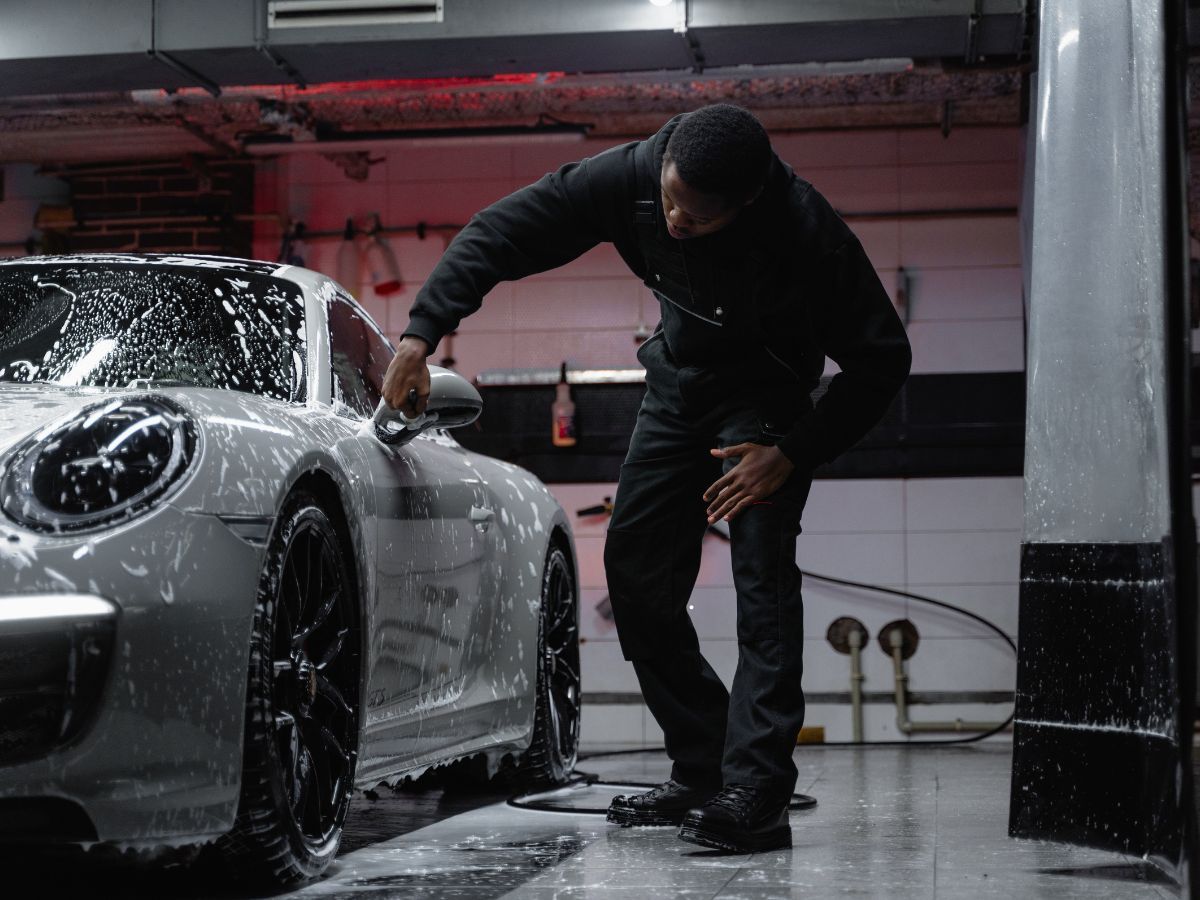
What Is Vehicle Detailing?
You have probably heard the term thrown around at car shows, in online reviews, or on a service menu somewhere, but figuring out what is vehicle detailing actually about can feel surprisingly unclear. That confusion makes sense, since the word gets used loosely for everything from a quick wipe down to a full multi-hour restoration. Stick with this guide, and you will understand exactly where the term comes from, what sets it apart from ordinary cleaning, and why it plays such an important role in keeping any vehicle looking and performing at its best. Let us start with where this word actually comes from.
Where the Term Detailing Actually Comes From
The word detailing traces back to attending to every small detail of a vehicle rather than just the obvious, visible parts. It is less about a single task and more about a mindset, one where nothing gets overlooked, whether that is a dusty vent, a faded trim panel, or a hairline scratch most people would never even notice.
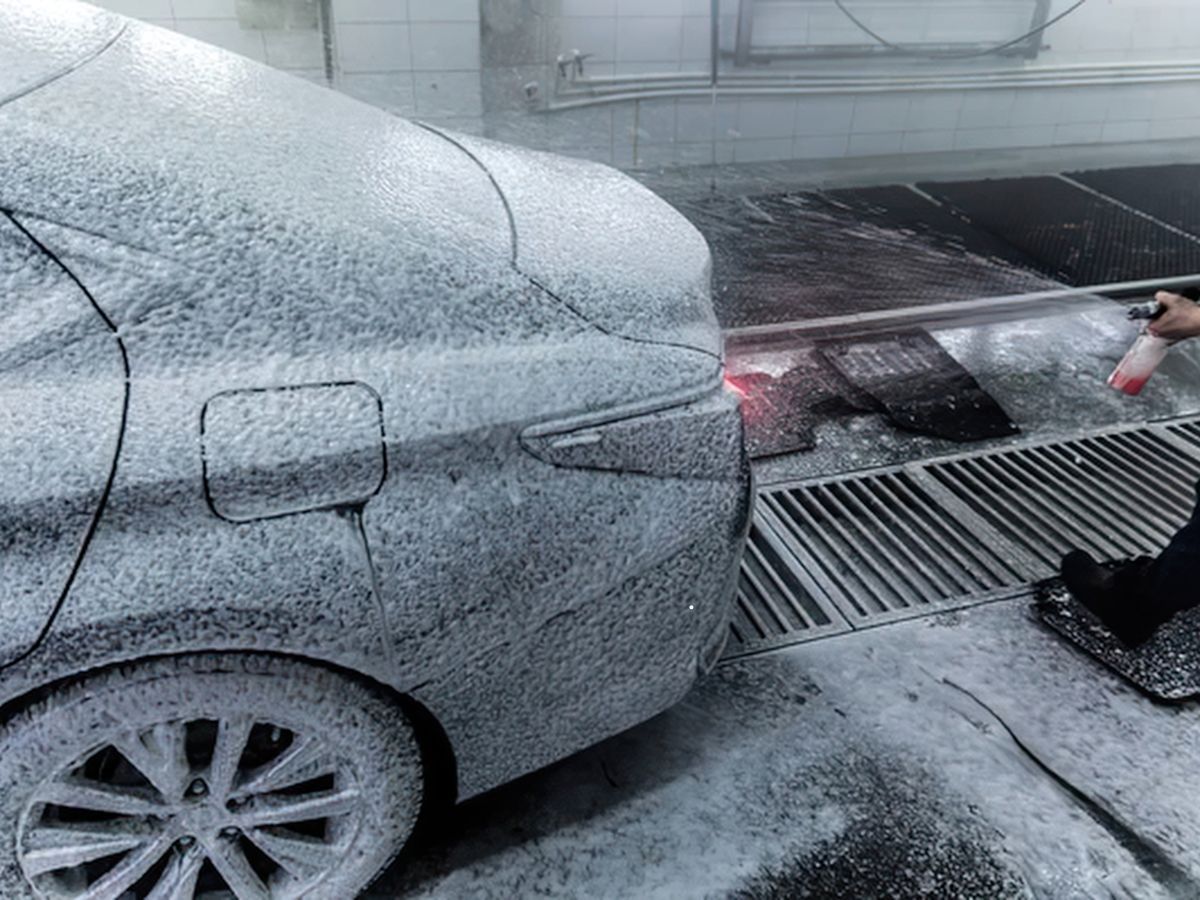
This is very different from a standard car wash, which focuses purely on removing surface dirt as quickly as possible. Detailing takes a slower, more deliberate approach aimed at restoring and protecting the vehicle rather than just making it look presentable for the moment.
What Actually Separates Detailing From a Regular Clean
A few key differences set true vehicle detailing apart from everyday maintenance.
- Detailing addresses both visible dirt and deeper issues like oxidized paint or embedded stains
- It uses specialized tools and products suited to specific materials like leather, fabric, or clear coat
- The process restores condition rather than just masking dirt temporarily
- Results tend to last significantly longer than a basic wash or wipe down
Once you see the difference side by side, it becomes obvious why detailing has a completely different value than a five-minute rinse at a gas station.
The Two Core Sides of Vehicle Detailing
At its foundation, vehicle detailing splits into two main areas, each targeting a different part of the car.
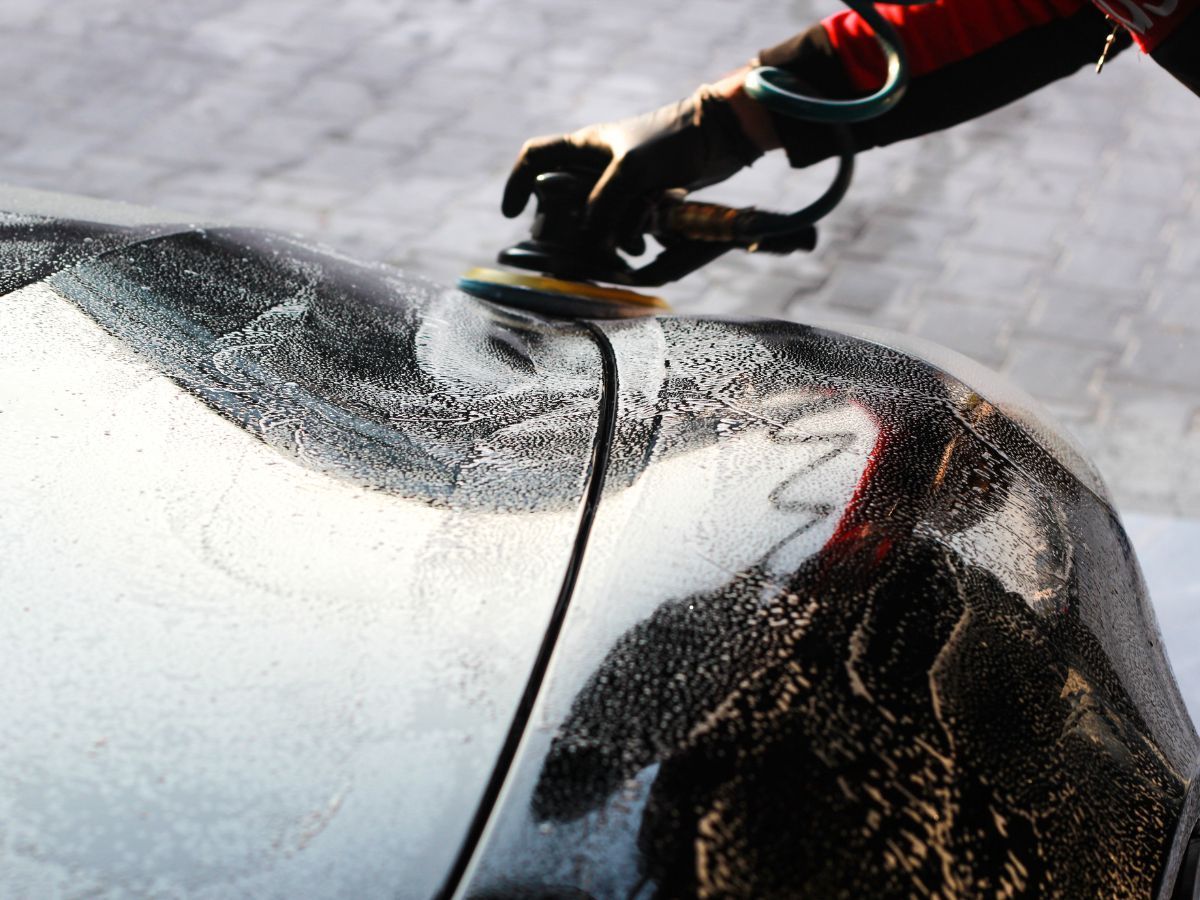
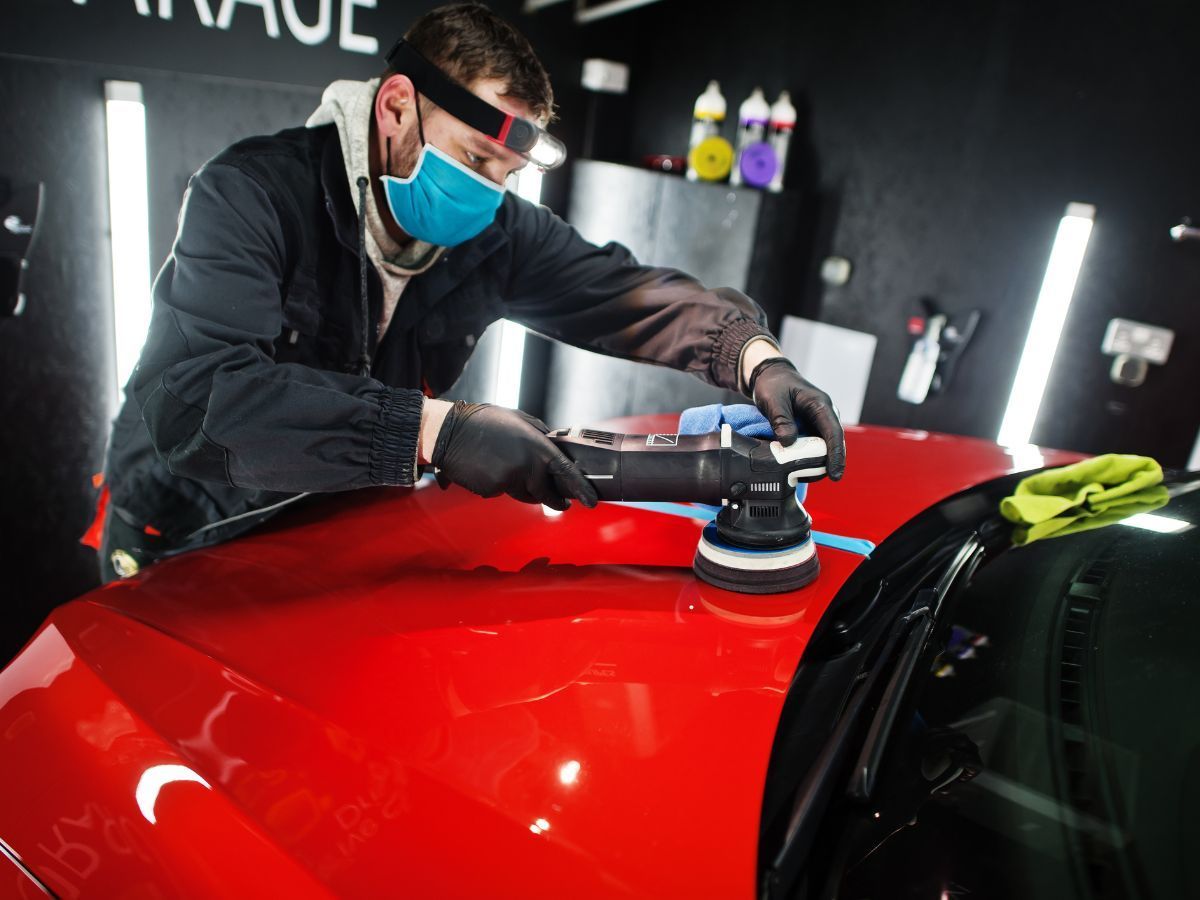
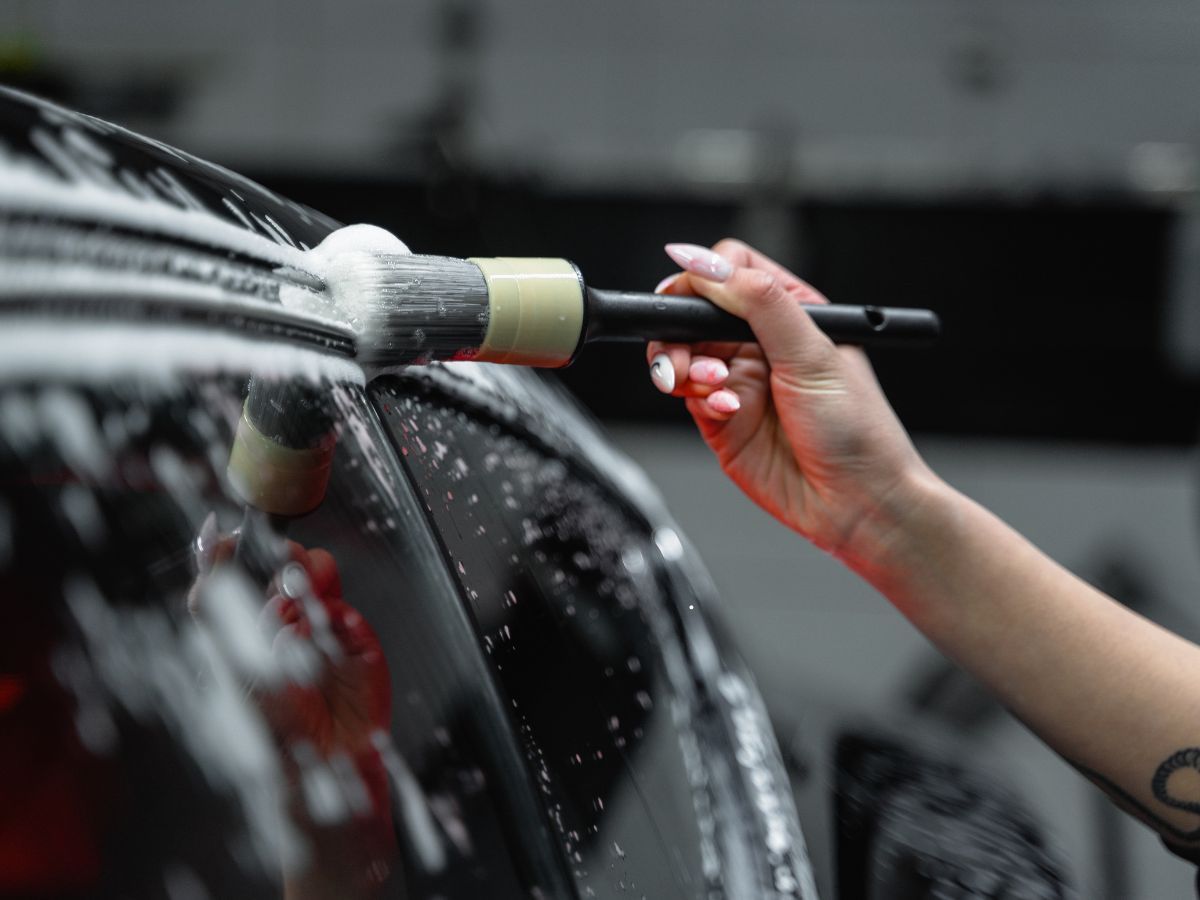
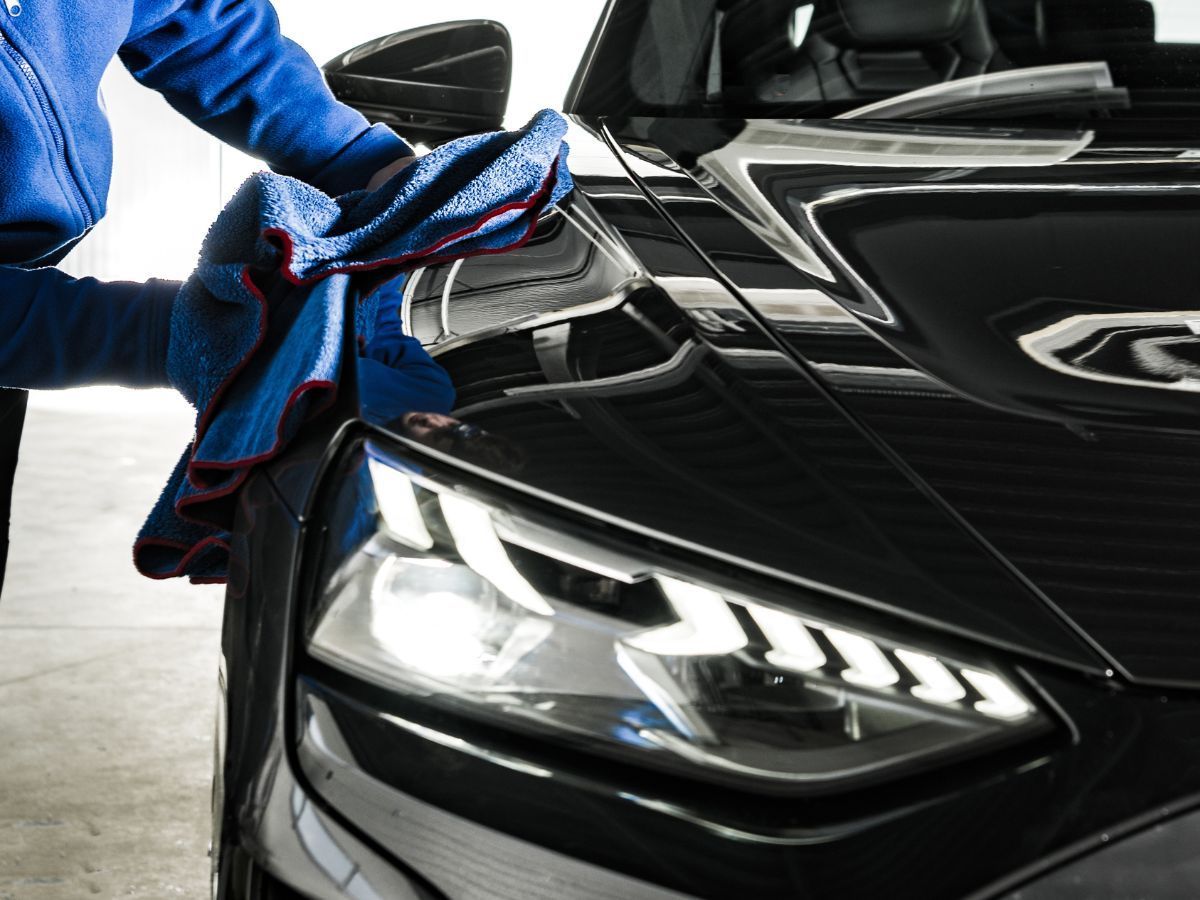
1. Exterior Care: This covers everything visible from the outside, including paint, wheels, glass, and trim. Services here focus on restoring shine while protecting the surface against environmental damage. You can learn more about what this involves on our exterior detailing page.
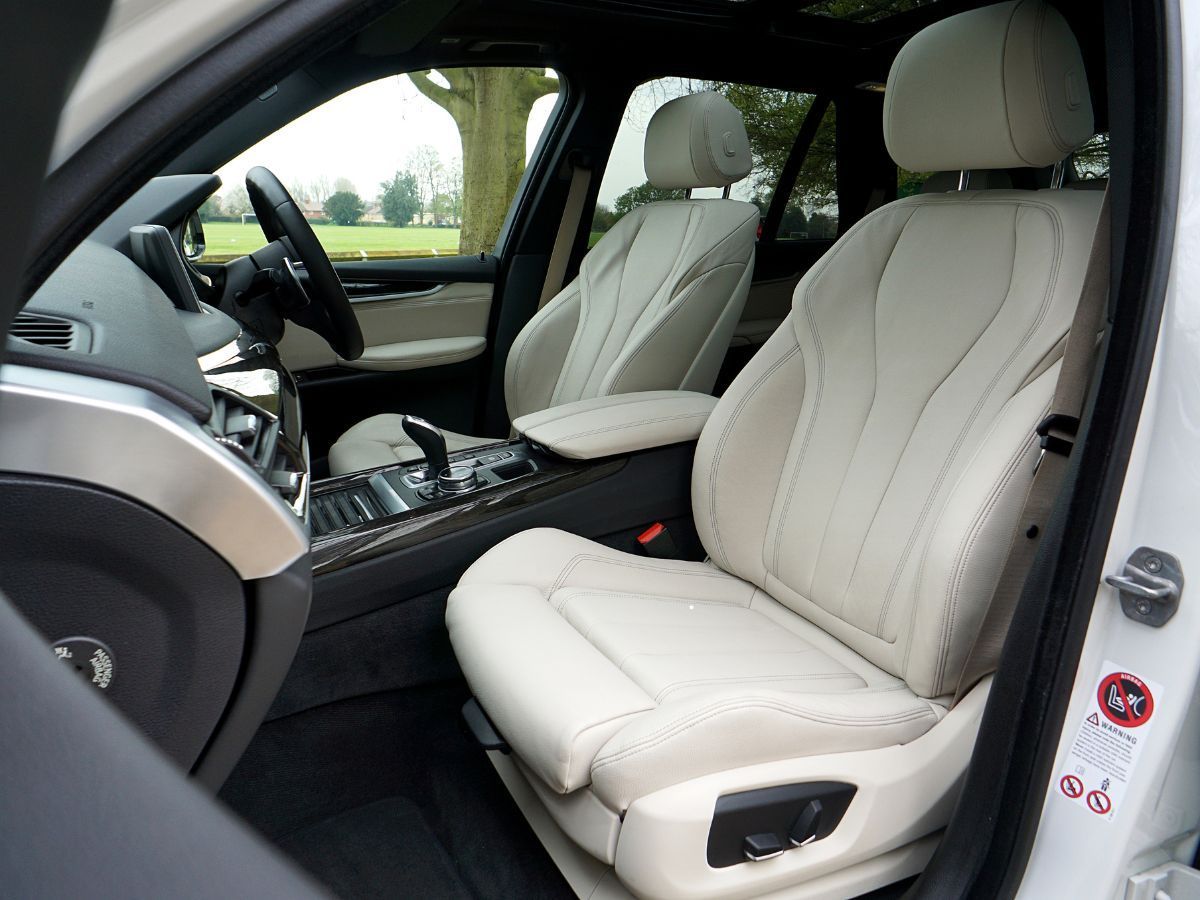
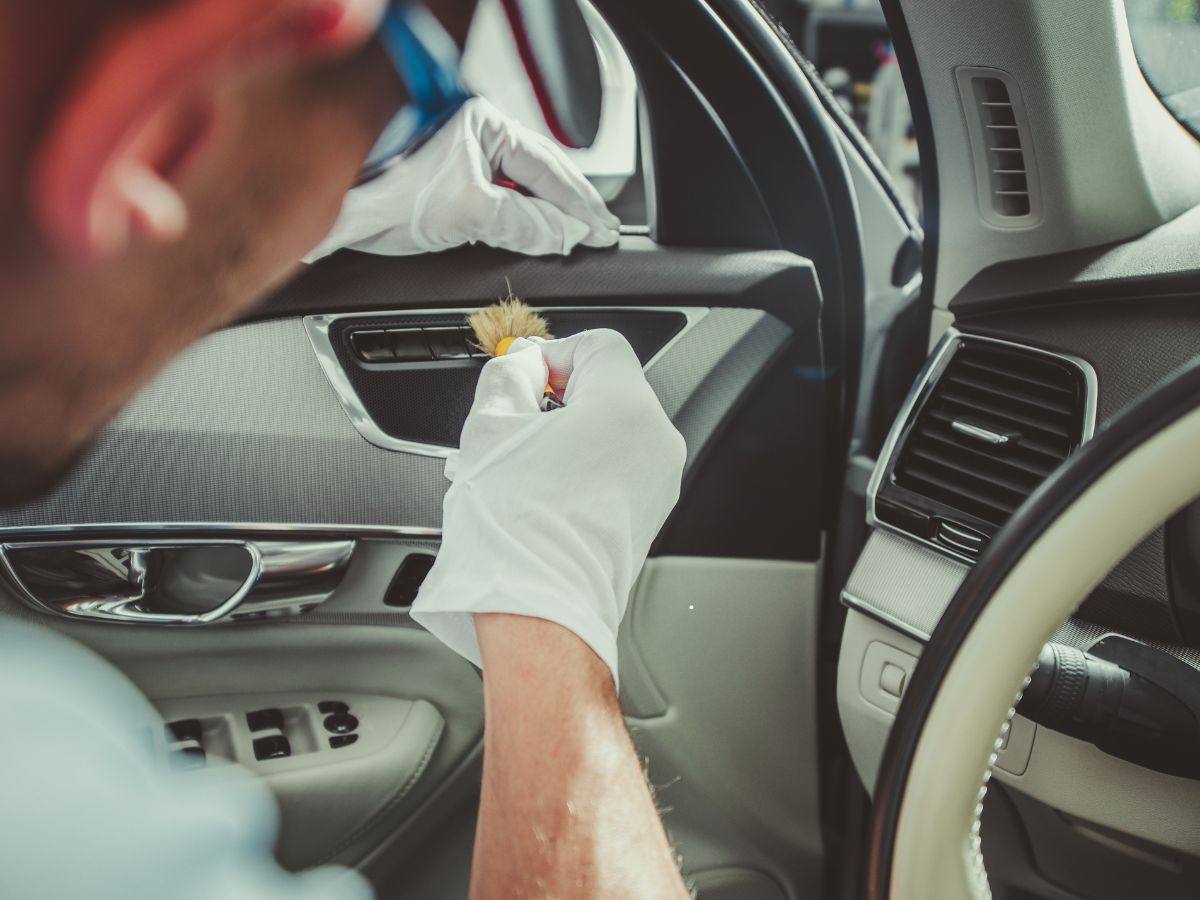
2. Interior Care: This side focuses entirely on the cabin space, addressing seats, carpets, dashboards, and air vents. It is designed to remove built-up dirt, allergens, and odors that regular vacuuming tends to miss. Our interior detailing page breaks down exactly what gets covered during a typical appointment.
For drivers who want both handled in a single visit, full detailing combines the two into a single complete service.
Why Vehicle Detailing Actually Matters Long Term
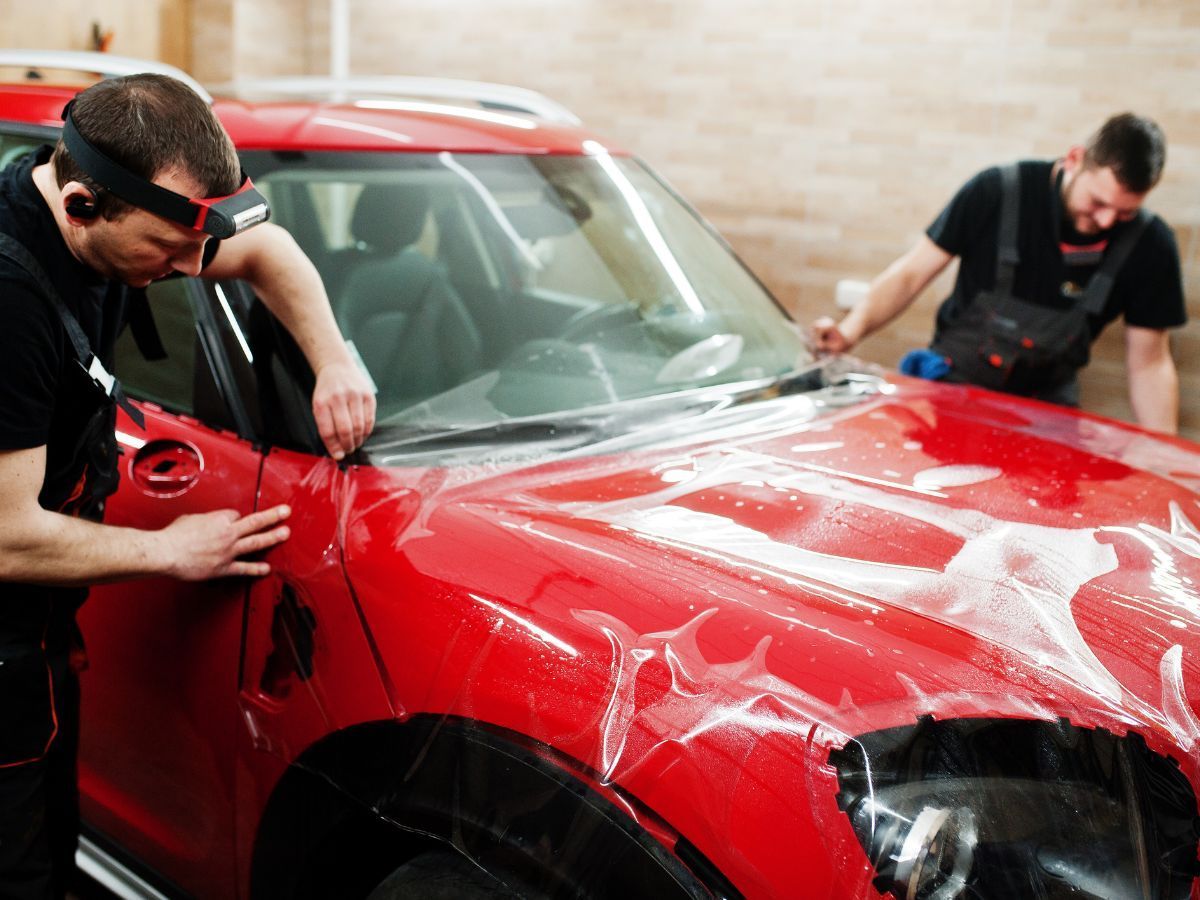
Beyond simply looking good, detailing plays a real role in protecting your vehicle's condition and resale value over time. Paint that gets regularly cared for resists fading and oxidation far better than paint left exposed to the elements without protection.
The same applies to interiors. Leather that is conditioned regularly avoids cracking, while properly treated fabric seats resist staining and wear. If you are still weighing whether this kind of investment makes sense, this breakdown on is auto detailing worth it covers the long-term value in more depth.
How Often Vehicle Detailing Should Happen
There is no universal answer here, since it depends heavily on how a vehicle gets used. A car parked in a garage and driven occasionally can go longer between appointments than one exposed daily to city traffic, weather, and road grime.
As a general guideline, scheduling a full detail every three to four months helps keep most vehicles in good condition. Vehicles used for business purposes or exposed to harsher conditions, like New York winters with road salt, often benefit from more frequent attention.
Who Actually Relies on Vehicle Detailing
Detailing is not reserved for luxury car owners or car show enthusiasts. Daily commuters, parents managing busy schedules, rideshare drivers, and small-business fleets all rely on it just as much, often for very different reasons, ranging from comfort to professional appearance.
When comparing local providers, it is also important to Choose the Right Auto Detailing Service Near You by looking at the services offered, detailing methods, experience, customer reviews, and convenience before booking.
Mobile Vehicle Detailing Across New York City
Given how hectic life in Manhattan can get, mobile detailing has become a popular way to fit this kind of maintenance into a packed schedule. Instead of driving somewhere and waiting around, a team comes directly to your home, office, or parking garage. If this convenience sounds appealing, our guide on mobile car detailing explains exactly how the process works from booking to completion. You can also check our service areas to confirm coverage near you.
Final Thoughts
Now that you understand what vehicle detailing is really about, it becomes much easier to see why it goes far beyond a simple wash. From protecting your paint to keeping your cabin fresh and comfortable, this process plays a real role in your vehicle's long-term condition. Reach out to Vapor Auto Detailing through our
contact page or browse our
reviews to see how we bring professional detailing straight to drivers across New York City.
Frequently Asked Questions
Is vehicle detailing the same as a car wash?
No, a car wash focuses on quick surface cleaning, while detailing involves a deeper process covering both restoration and long-term protection.
Does vehicle detailing work on trucks and SUVs the same way?
Yes, the process applies to any vehicle type, though larger vehicles typically require more time and product due to their size.
How long does a typical detailing appointment take?
This depends on the services selected, but a full interior and exterior detail usually takes a few hours depending on vehicle size and condition.
Can detailing help remove long-term stains or odors?
In most cases, yes; professional-grade products and equipment can address issues that basic home cleaning products cannot fully resolve.
Is detailing worth it for an older vehicle?
Absolutely, since keeping an older vehicle well maintained can help preserve its condition and value, especially before selling or trading it in.