What Does Exterior Car Detailing Include Explained
What does exterior car detailing include is a question many car owners ask when they notice their vehicle losing its shine or getting covered in dirt and contaminants. A regular car wash may remove surface dust, but it does not fully protect your car paint or restore its finish.
If you are considering full car detailing services like Vapor Auto Detailing, understanding the full process will help you see why exterior detailing is essential for maintaining your vehicle’s appearance and value.
Exterior Detailing Process Explained
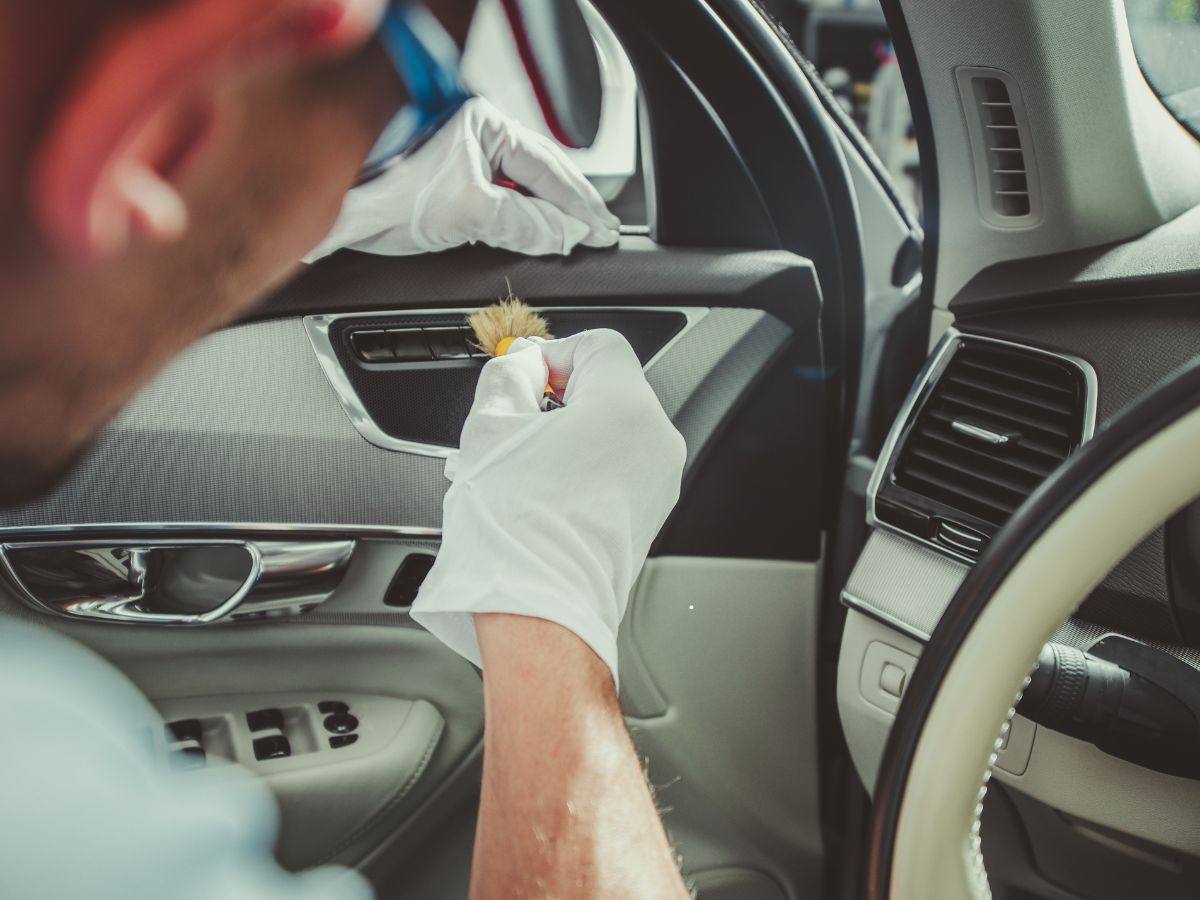
Exterior detailing is a step-by-step process designed to clean, restore, and protect your car’s outer surfaces. It goes beyond basic washing and focuses on preserving the condition of your car paint. If you are comparing interior vs exterior car detailing service, exterior detailing specifically focuses on the vehicle’s exterior surfaces, while interior detailing targets the cabin, upholstery, and other inside components.
The exterior detailing process explained includes:
- Thorough washing and decontamination
- Removal of bonded contaminants
- Paint correction to fix imperfections
- Waxing or sealing for protection
- Cleaning wheels, tires, and exterior trim
Each step plays a role in improving both the look and durability of your vehicle.
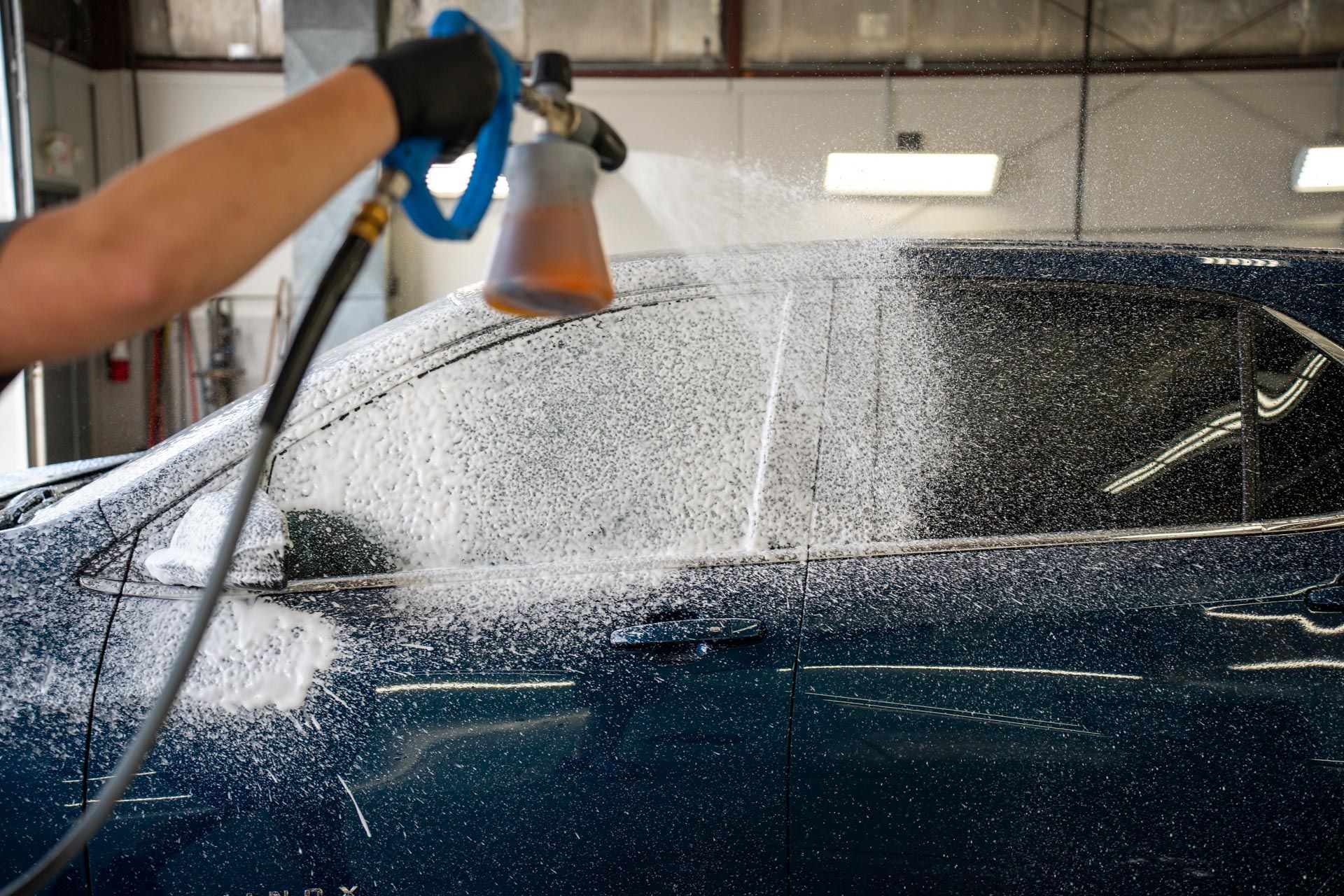
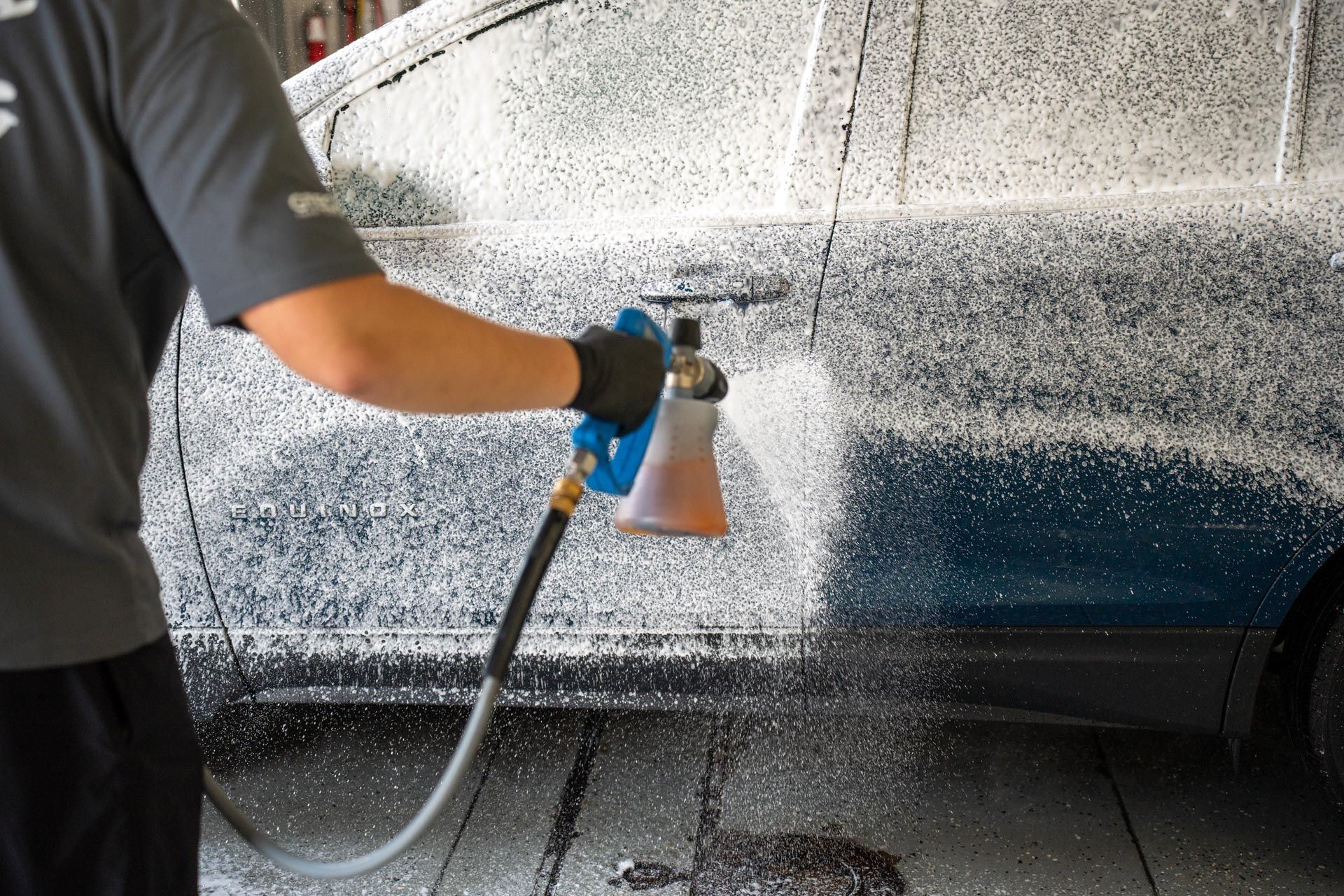
Car Washing and Decontamination
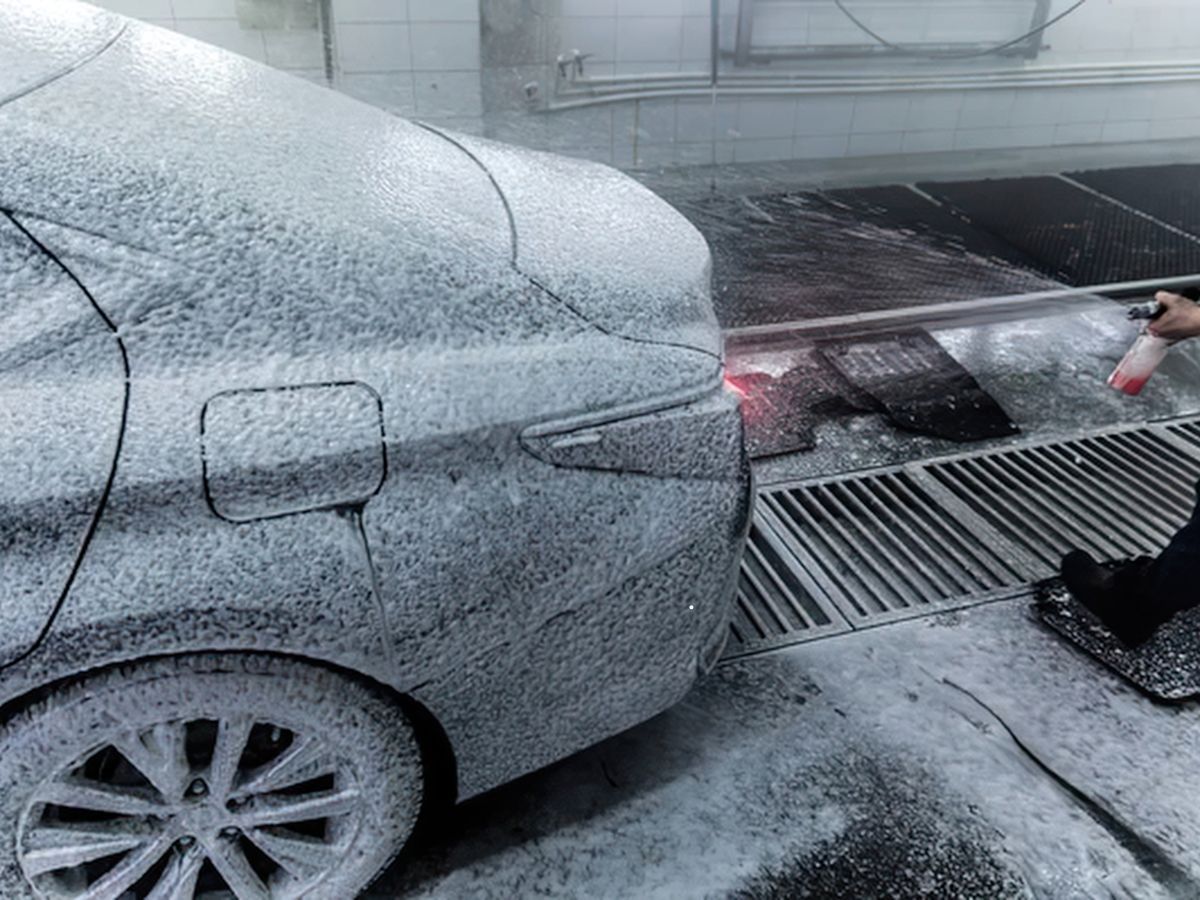
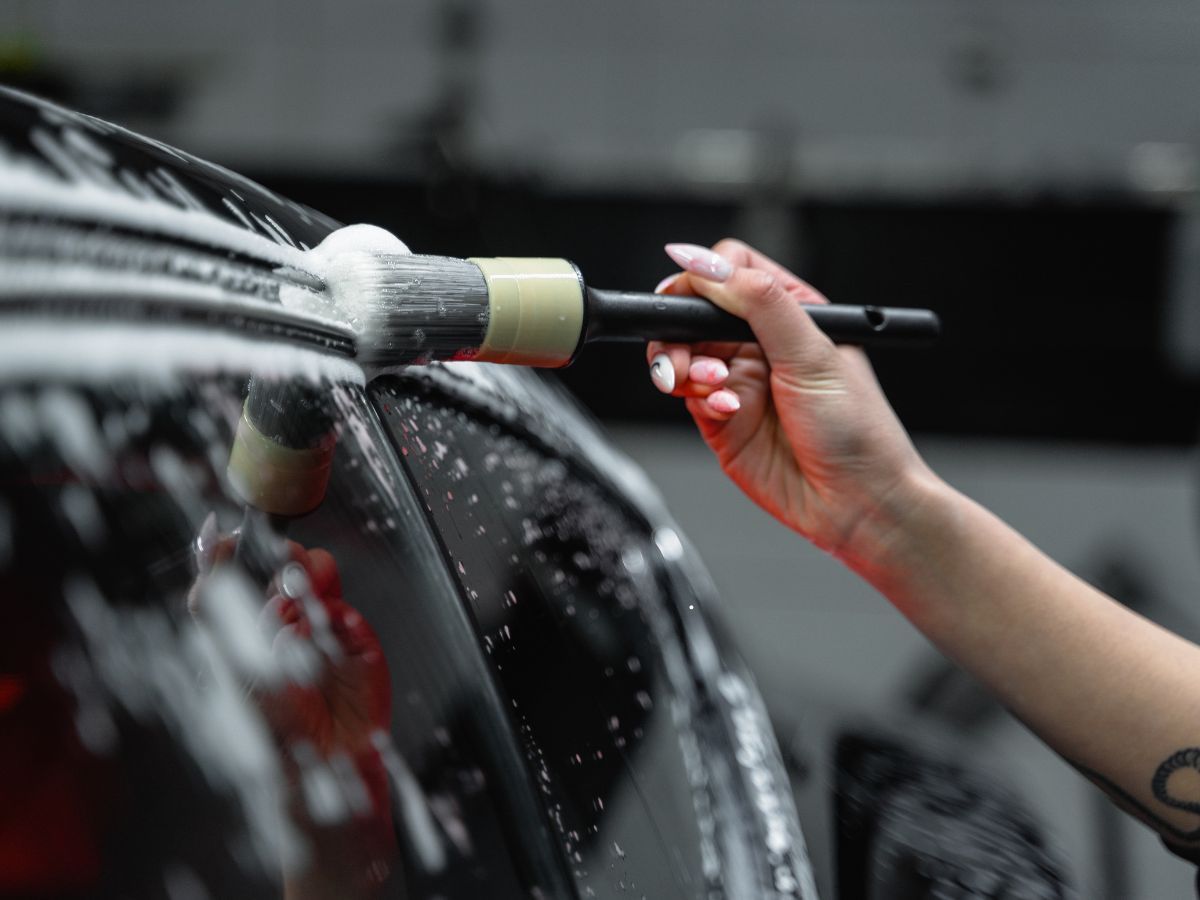
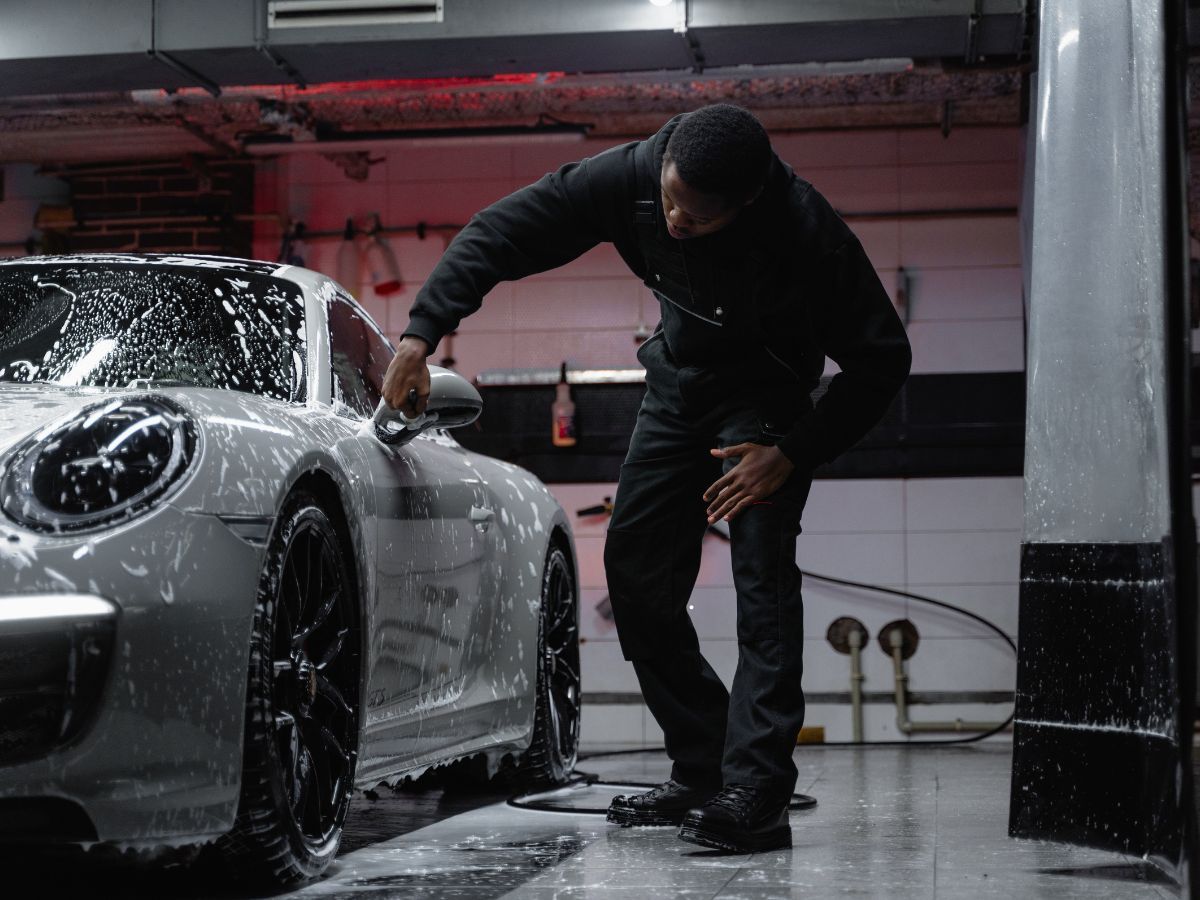
The first step in exterior detailing is a deep cleaning of the vehicle’s surface.
What Is Included
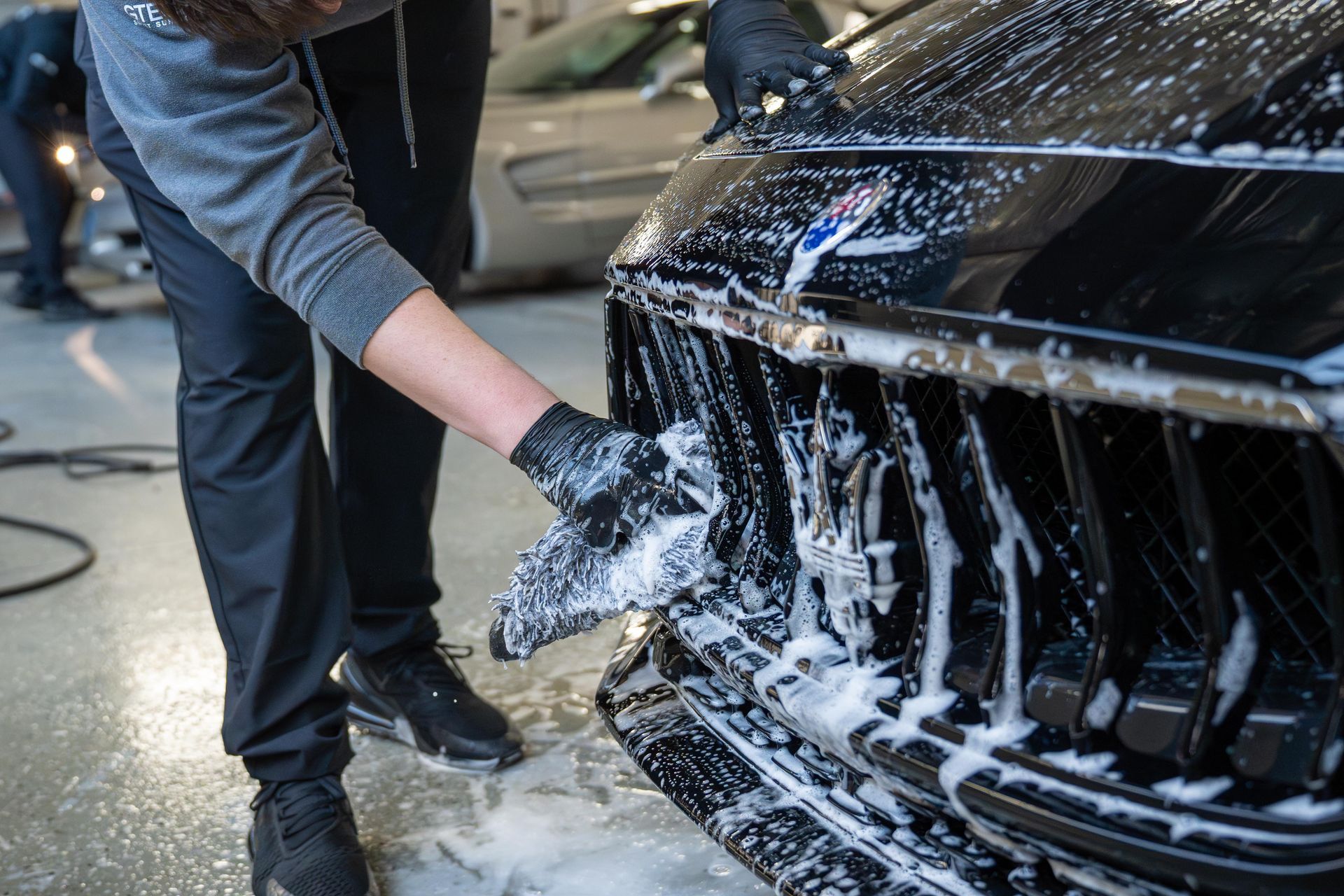
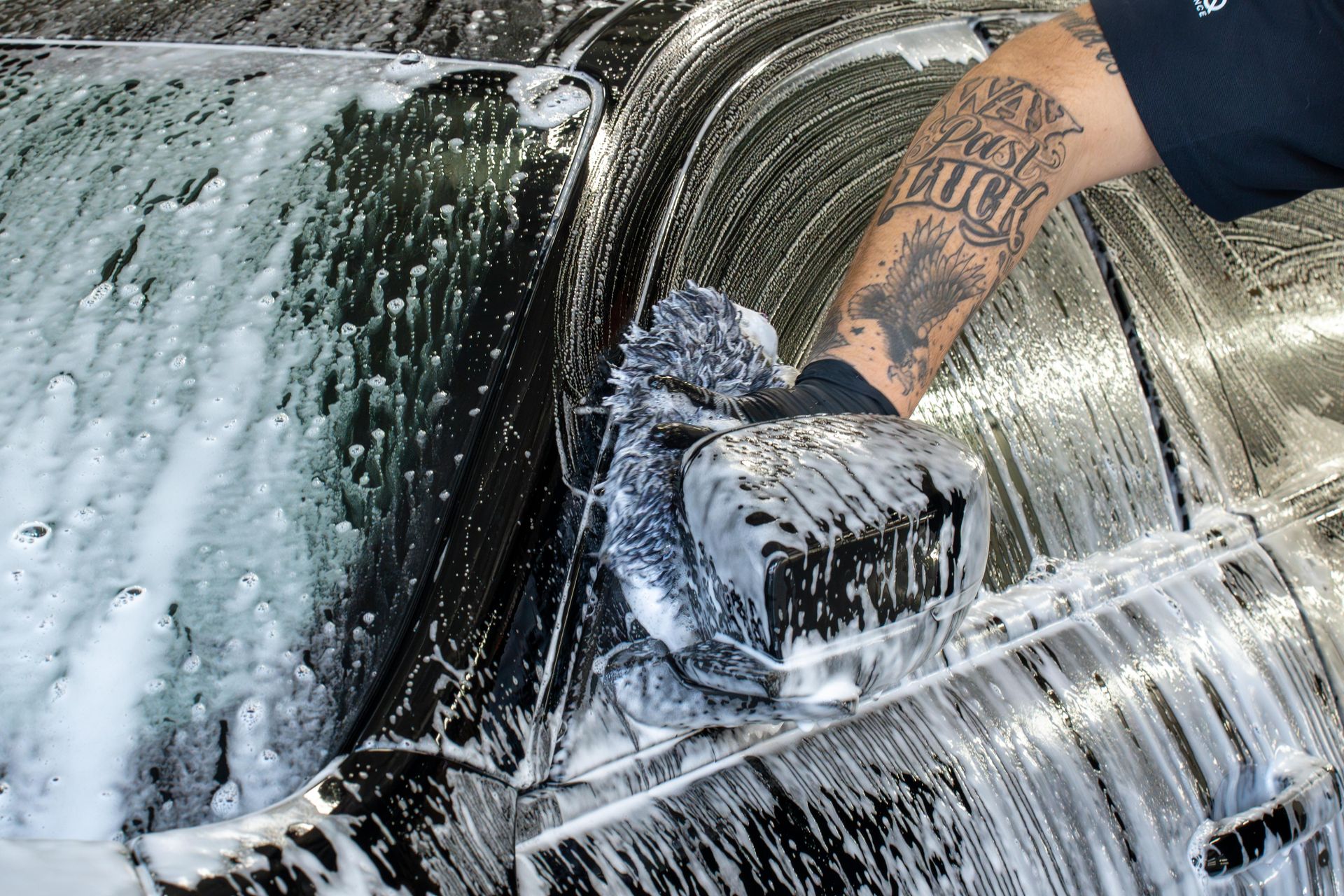
- Hand washing to remove dirt and grime
- Cleaning hard-to-reach areas
- Removing contaminants like tar, bugs, and road residue
Why It Matters
Standard washing does not remove all contaminants. Decontamination ensures the surface is clean before moving to advanced steps like polishing.
If you look at customer experiences on the
Reviews page, you will notice that proper washing makes a visible difference in the final result.
Clay Bar Treatment
After washing, the next step is clay bar treatment, which removes embedded contaminants that cannot be washed away.
What Is a Clay Bar
A clay bar is a specialized tool used to pull out contaminants from the surface of the car paint.
Benefits of Clay Bar Treatment
- Creates a smooth surface
- Prepares paint for polishing
- Removes stubborn dirt and residue
Clay bar treatment is a key part of exterior car detailing steps because it ensures the paint is clean and ready for further enhancement.
Polishing and Paint Correction
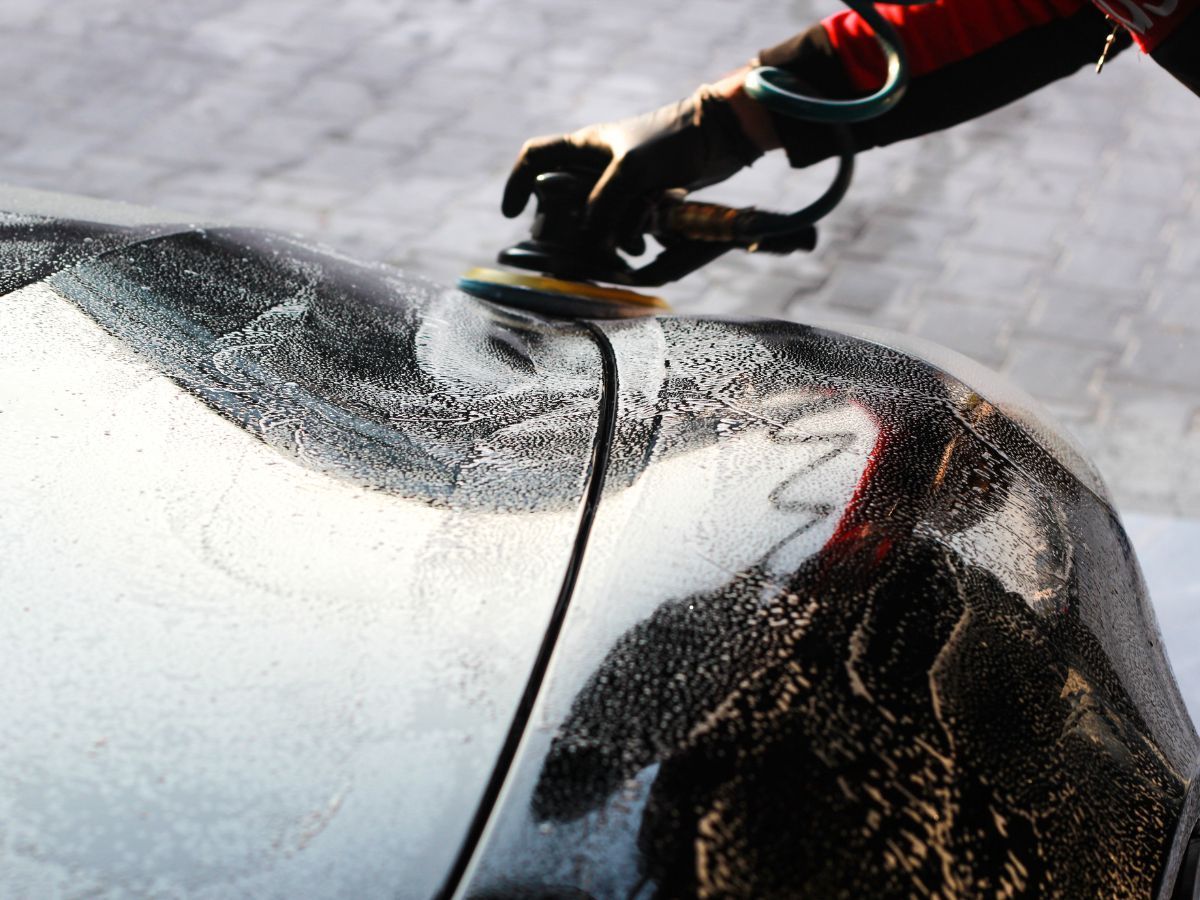
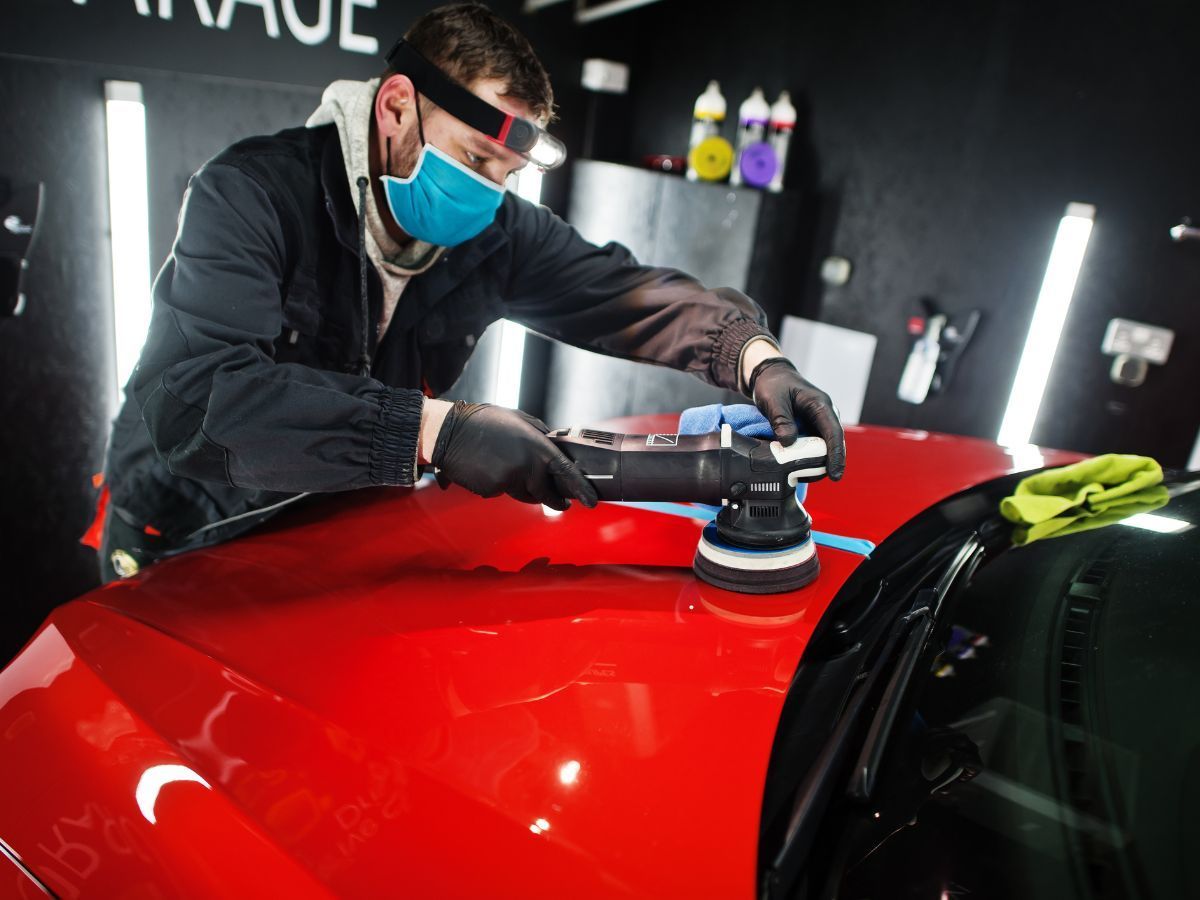
Polishing and paint correction focus on restoring the appearance of your car’s paint.
What Is Paint Correction
Paint correction service removes imperfections such as:
- Swirl marks
- Light scratches
- Oxidation
Many professional detailers also perform scratch removal detailing to minimize visible surface scratches and restore a smoother, more uniform finish. Proper preparation is particularly important when exterior car detailing before ceramic coating is required, as the paint should be thoroughly cleaned and corrected before a protective coating is applied.
Polishing Process
Polishing enhances the shine and smoothness of the paint, giving your car a refreshed look.
Why It Is Important
Over time, exposure to sunlight and environmental factors damages car paint. Paint correction helps restore its original finish and improves overall appearance.
This step is especially useful in urban areas like Exterior detailing in Midtown Manhattan or Exterior detailing in Upper East Side, where vehicles are exposed to pollution and daily wear.
Waxing and Paint Protection
Once the paint is corrected, it needs protection to maintain the results.
What Is Included
- Application of car wax or sealant
- Protection against UV rays and contaminants
Benefits of Waxing
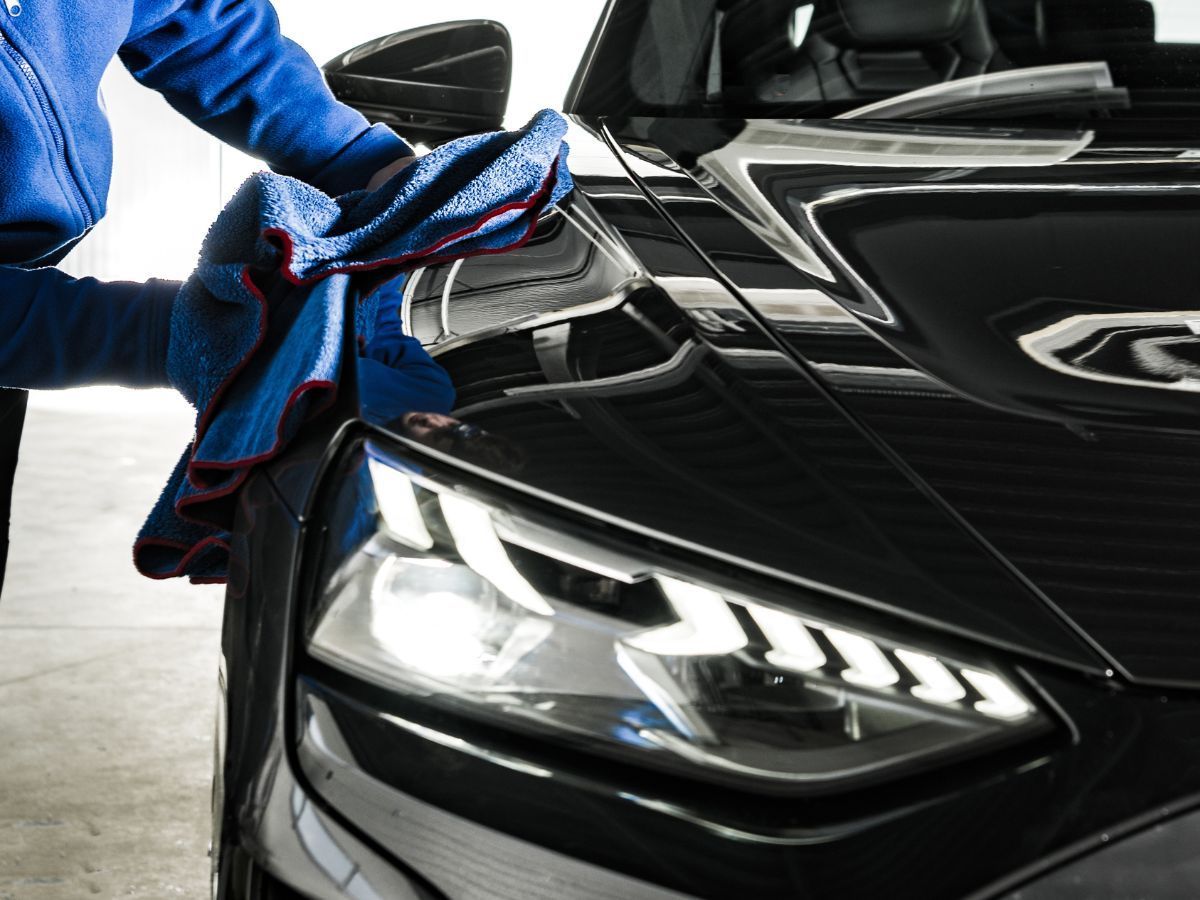
- Enhances shine
- Protects car paint from damage
- Makes cleaning easier in the future
Car waxing and polishing work together to improve both the appearance and durability of your vehicle as part of
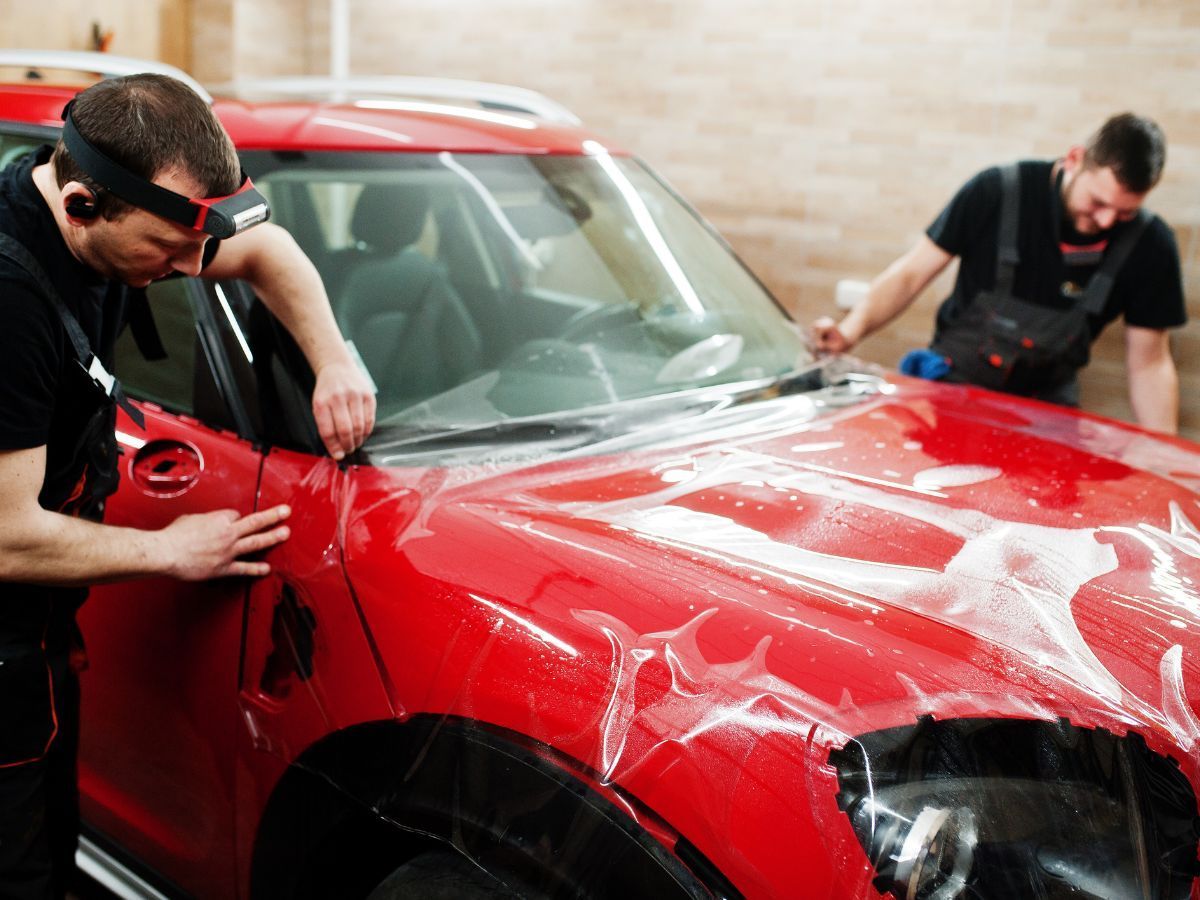
car cleaning and detailing services. For drivers looking for even longer-lasting paint protection, many professional detailers also offer
ceramic coating new york services, which provide a durable protective layer against UV rays, contaminants, and everyday wear.
Wheel and Tire Cleaning
Wheels and tires are often the dirtiest parts of a car and require special attention.
What Is Included
- Cleaning brake dust and grime
- Tire scrubbing and conditioning
- Restoring shine to wheels
Why It Matters
Clean wheels improve the overall look of your car and prevent buildup that can cause long-term damage.
How Exterior Detailing Protects Your Vehicle
Exterior detailing is not just about making your car look good. It plays a key role in protecting your investment and achieving Professional Exterior Detailing Results that last longer.
Key Benefits
- Protects car paint from environmental damage
- Prevents buildup of contaminants
- Maintains resale value
- Enhances overall appearance
For drivers in busy areas like
Exterior detailing in Tribeca or
Exterior detailing in Hudson Yards, regular detailing helps combat the effects of pollution and daily exposure.
How Often Should You Get Exterior Detailing
The frequency of exterior detailing depends on your driving habits and environment.
Recommended Schedule
- Every 3 to 6 months for regular use
- More frequently in high-traffic urban areas
- Before selling your vehicle to improve value
Regular detailing reduces the need for extensive paint correction in the future.
Why Professional Detailing Is Worth It
While some car owners attempt DIY cleaning, professional detailing offers better results.
Professional Advantages
- Use of specialized tools and products
- Proper techniques for each surface
- Long-lasting protection
Professional services ensure that each step is done correctly without risking damage to your car. Before booking an appointment, it is also helpful to understand exterior car detailing Pricing, as costs can vary depending on the size of the vehicle, the condition of the paint, and the level of protection or restoration required.
If you want reliable results, choosing Vapor Auto Detailing ensures your vehicle receives expert care tailored to its needs.
Conclusion
Understanding what exterior car detailing includes helps you see why it is more than just a car wash. From washing and clay bar treatment to paint correction and waxing, each step plays a role in maintaining your car’s appearance and protection.
Exterior detailing not only enhances the look of your vehicle but also protects it from long-term damage. If you are ready to give your car the care it deserves, you can easily schedule a service through Contact Us and experience professional detailing that delivers lasting results.
FAQS
What services are included in exterior car detailing?
Exterior detailing includes washing, decontamination, clay bar treatment, polishing, paint correction, waxing, and wheel cleaning.
Does exterior detailing include waxing and polishing?
Yes, waxing and polishing are essential parts of exterior detailing that enhance shine and protect the paint.
What is paint correction in exterior detailing?
Paint correction is the process of removing scratches, swirl marks, and imperfections to restore the car’s finish.
How often should exterior detailing be done?
It is recommended every 3 to 6 months depending on usage and environmental exposure.
Does exterior detailing protect car paint from damage?
Yes, detailing adds a protective layer that helps shield the paint from UV rays, dirt, and contaminants.