8 Steps to a Perfectly Detailed Car
A spotless car is nice to look at, but a professionally detailed car is something else entirely. Detailing is a systematic process designed to clean, restore, and protect every part of the vehicle. Unlike a quick wash, each stage builds on the last to improve both appearance and longevity.
The Steps to a Perfectly Detailed Car are more than a checklist. They help prevent damage, address existing wear, and create a finish that lasts longer. Here's what happens during a thorough professional detail and why every step matters.
8 Steps to a Perfectly Detailed Car That Make All the Difference
The Steps to a Perfectly Detailed Car aren't just about making a vehicle look clean. Each stage serves a specific purpose, from preventing scratches during washing to protecting the paint after it's restored. When performed in the right order, these steps deliver a cleaner finish, longer-lasting protection, and better results than a basic car wash ever could.
1. Initial Vehicle Inspection
Every professional detail begins with an inspection.
The detailer checks the paint, wheels, interior, and overall condition to determine the right approach. A car with road salt, pet hair, or worn leather needs different care than a well-maintained vehicle. This step also sets realistic expectations since paint correction can improve light defects but won't remove every deep scratch.
2. Interior Removal and Debris Clearing
Loose items, floor mats, trash, and debris are removed before cleaning begins.
This exposes hidden dirt under seats and in storage areas while preventing debris from spreading during interior detailing. It also helps identify stains or problem areas that need extra attention.
3. Vacuuming and Detailed Interior Cleaning
Vacuuming reaches carpets, seat rails, vents, and tight crevices.
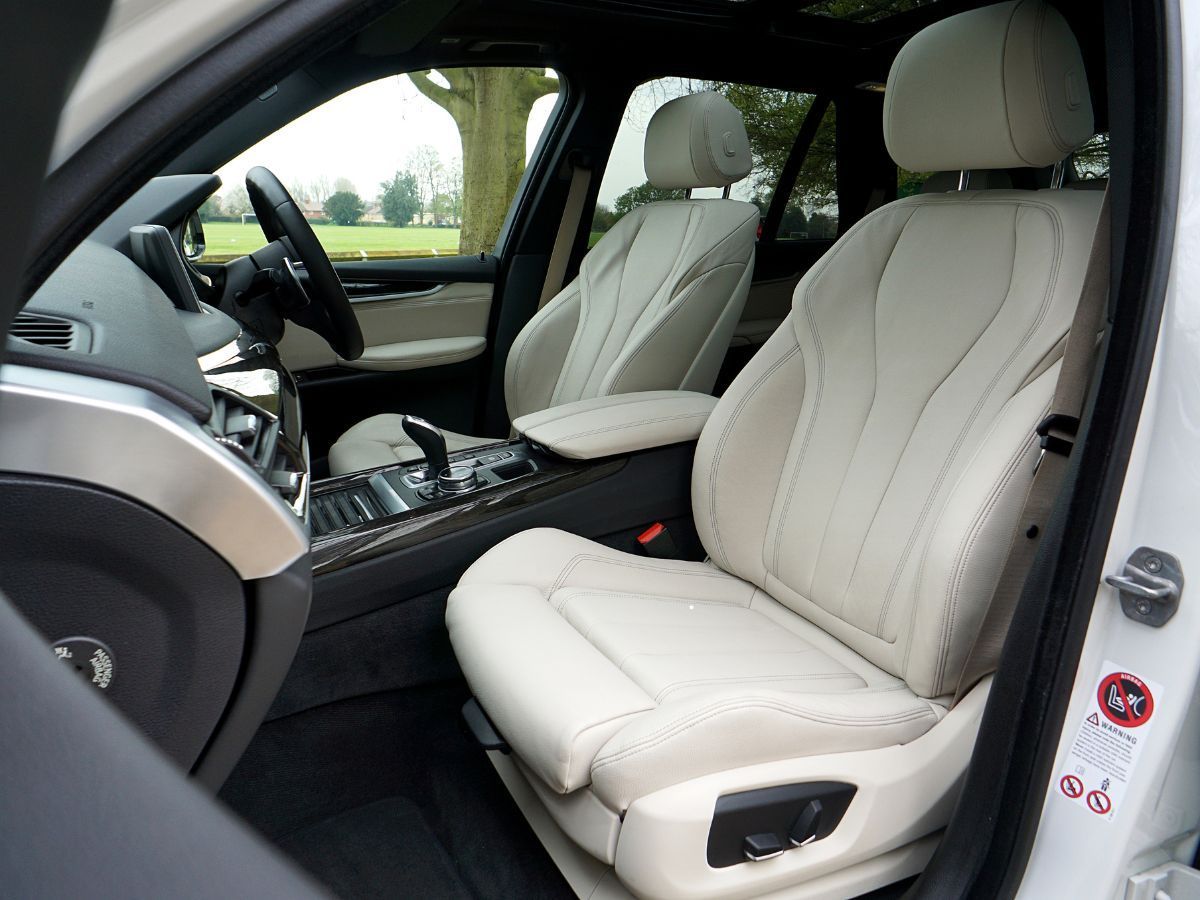
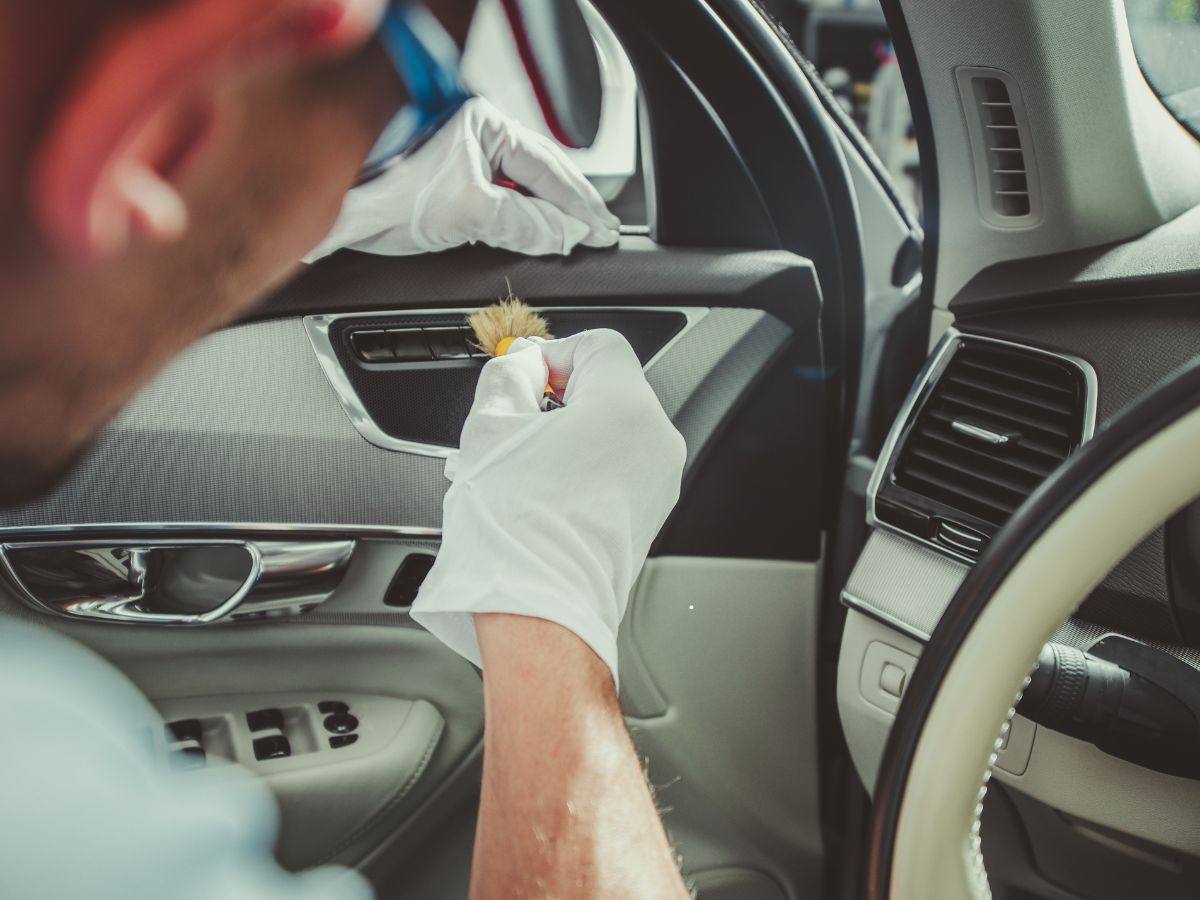
Afterward, each surface is cleaned with the right products. Fabric, leather cleaning, plastic, and glass all require different treatments to clean effectively without causing damage or leaving residue.
4. Steam Cleaning and Stain Treatment
Steam cleaning loosens stubborn dirt in vents, cup holders, and seat seams while reducing the need for harsh chemicals.
Stains are treated based on their source, whether from coffee, pets, grease, or winter salt. Tackling them early improves the chances of complete removal and helps prevent lasting odors.
5. Exterior Pre-Rinse and Safe Washing
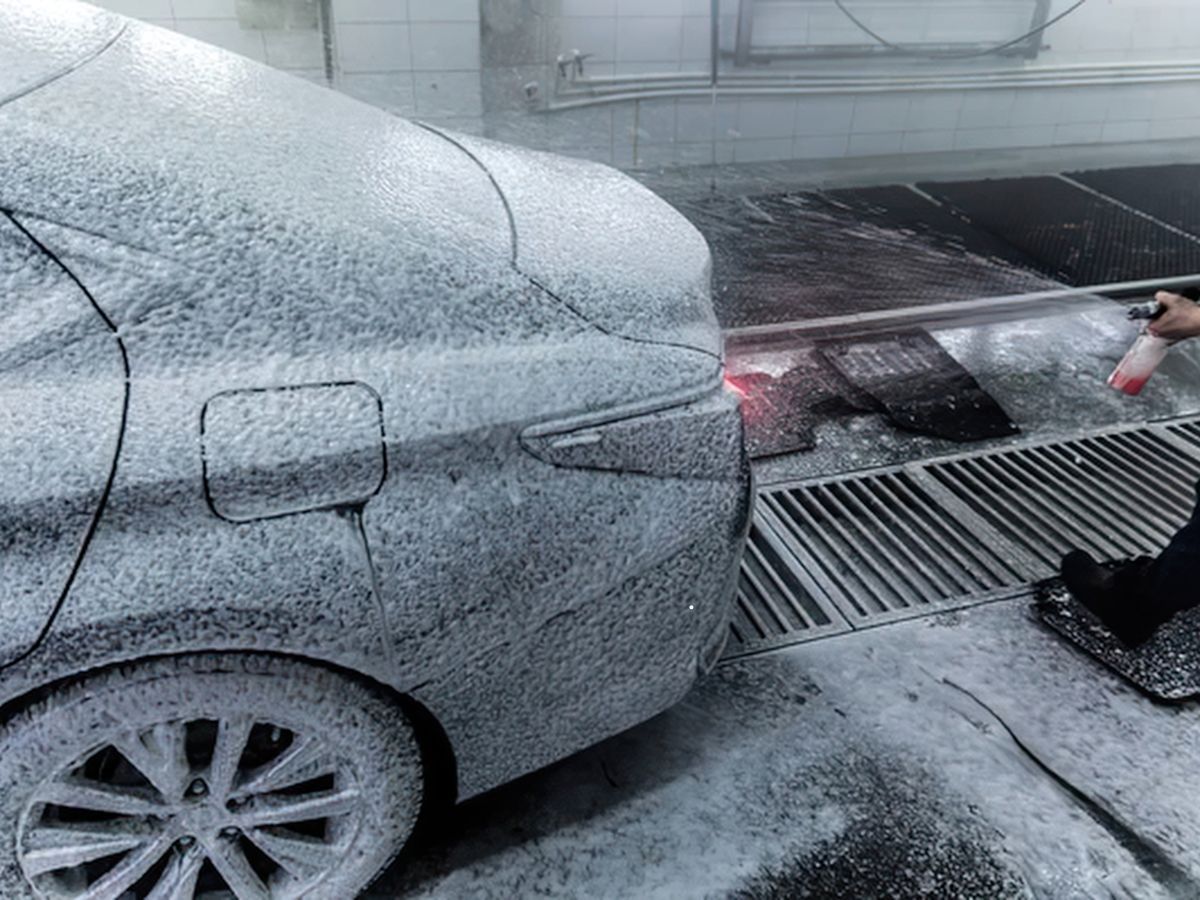
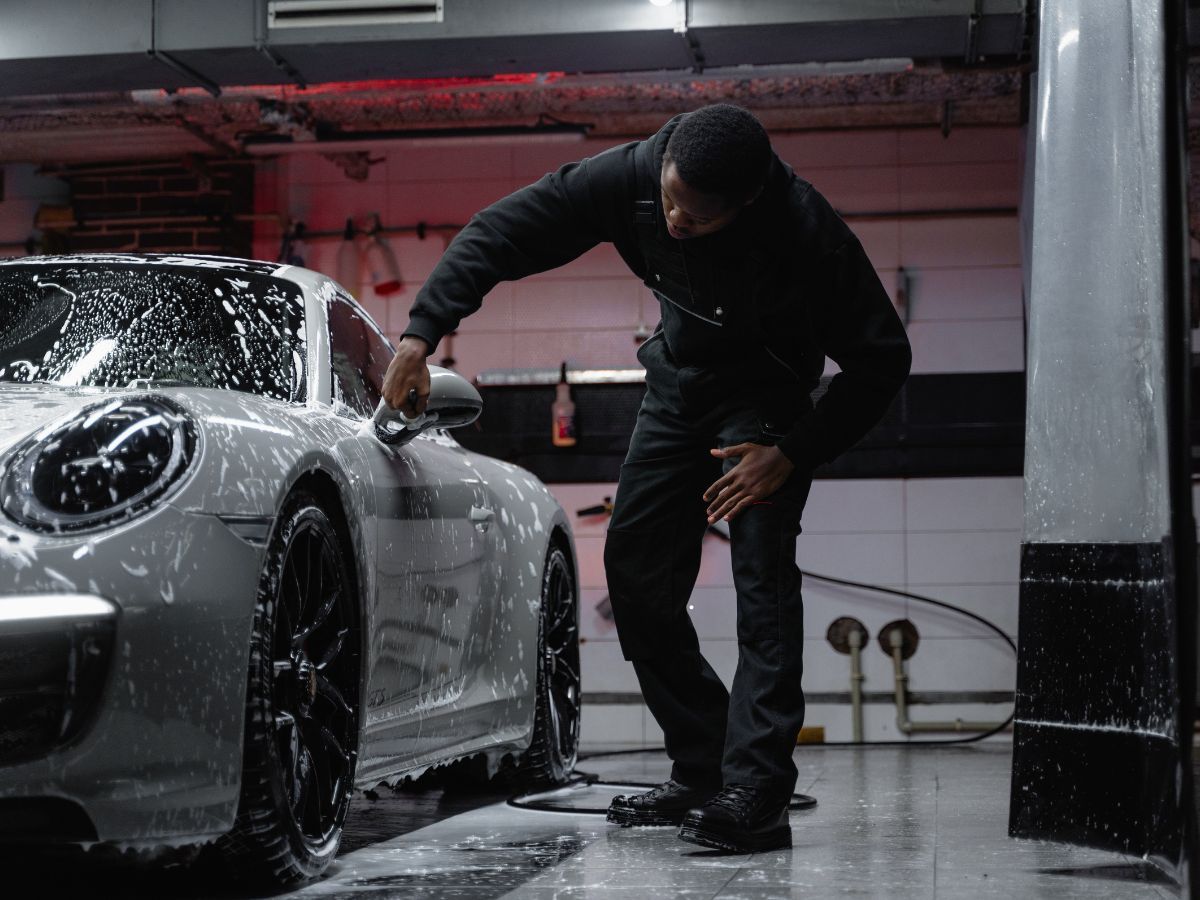
A pre-rinse removes loose dirt before the vehicle is washed.
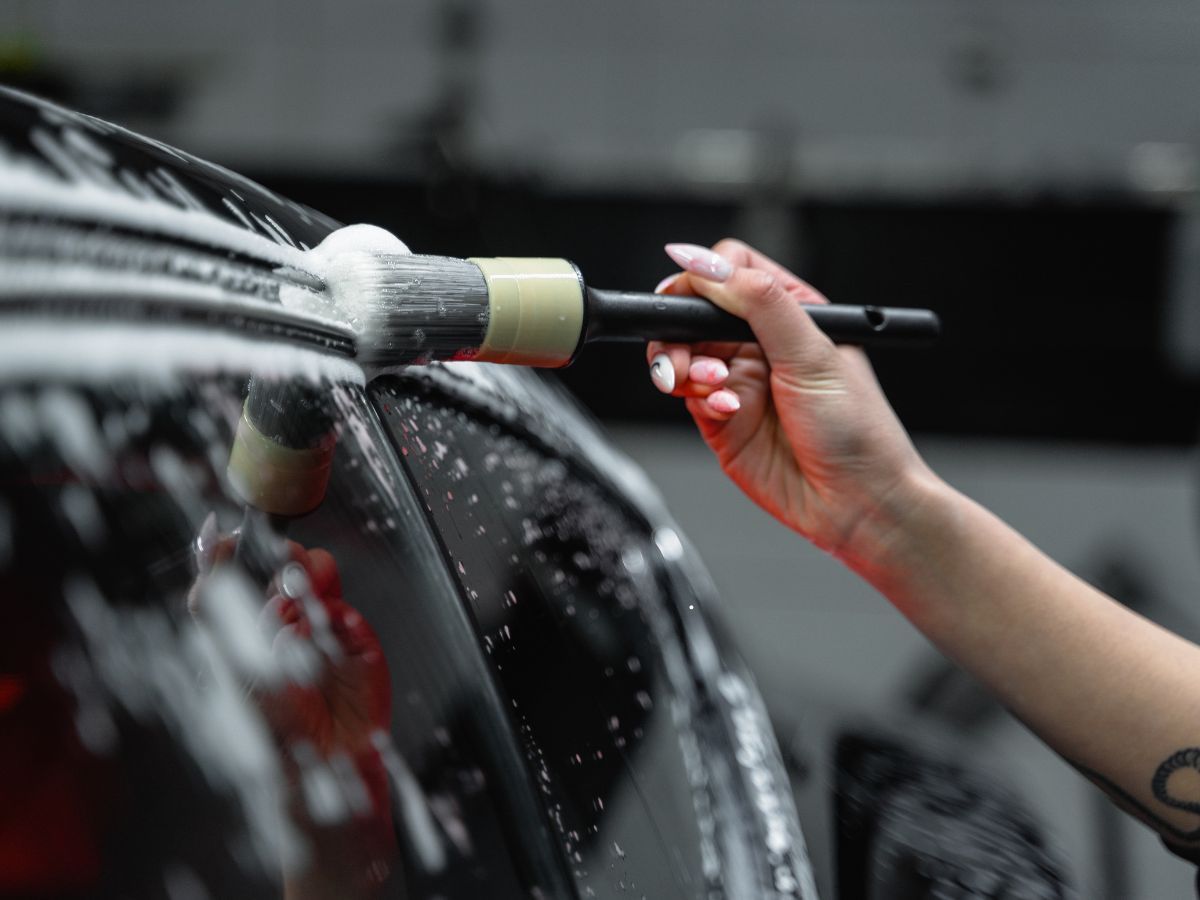
Skipping this step can trap grit against the paint, causing swirl marks and scratches. Safe exterior detailing also includes dedicated wheel detailing tools to keep brake dust from contaminating painted surfaces.
6. Clay Bar Treatment and Surface Decontamination
A clay bar treatment removes bonded contaminants that washing leaves behind, leaving the paint smooth and ready for protection.
Unlike polishing, clay does not remove scratches or restore faded paint. It simply decontaminates the surface so sealants or coatings can bond properly.
7. Paint Correction or Paint Enhancement
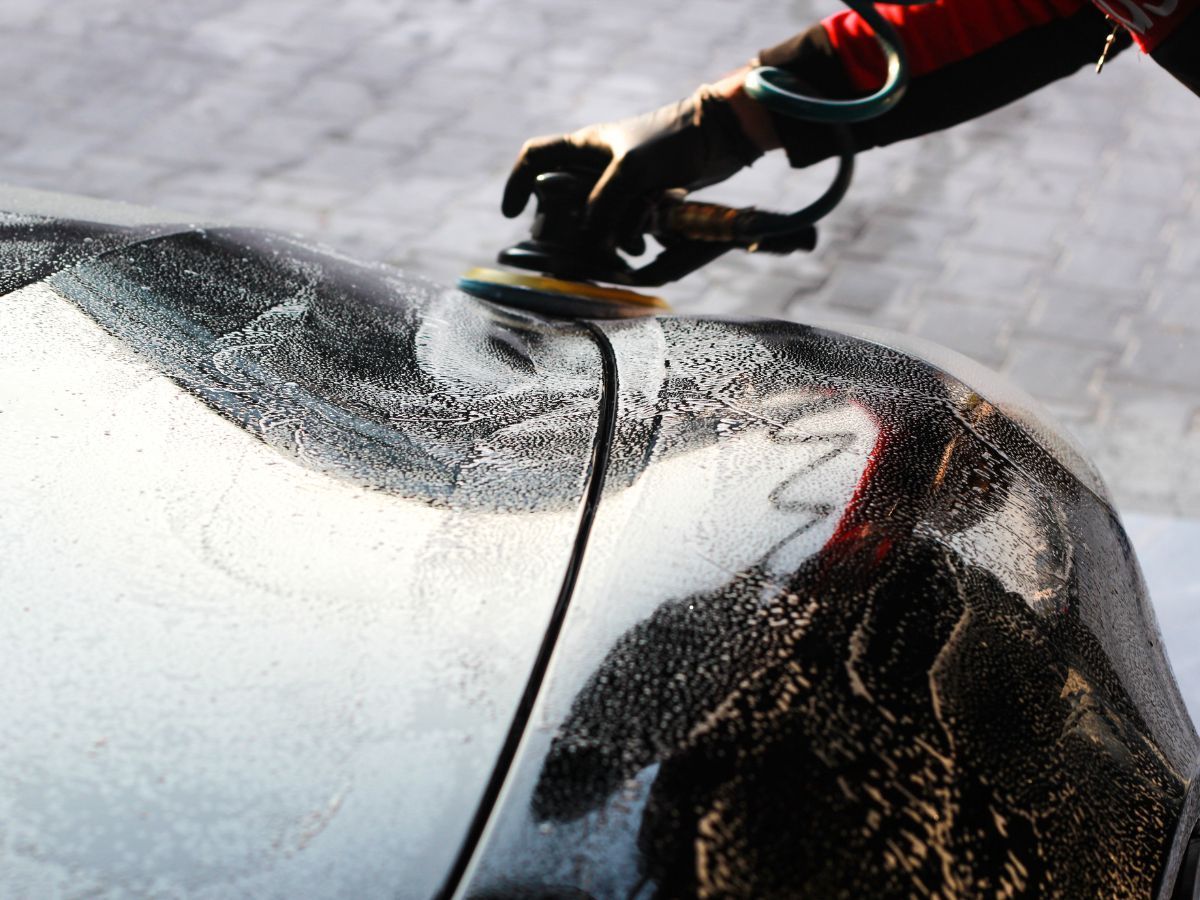
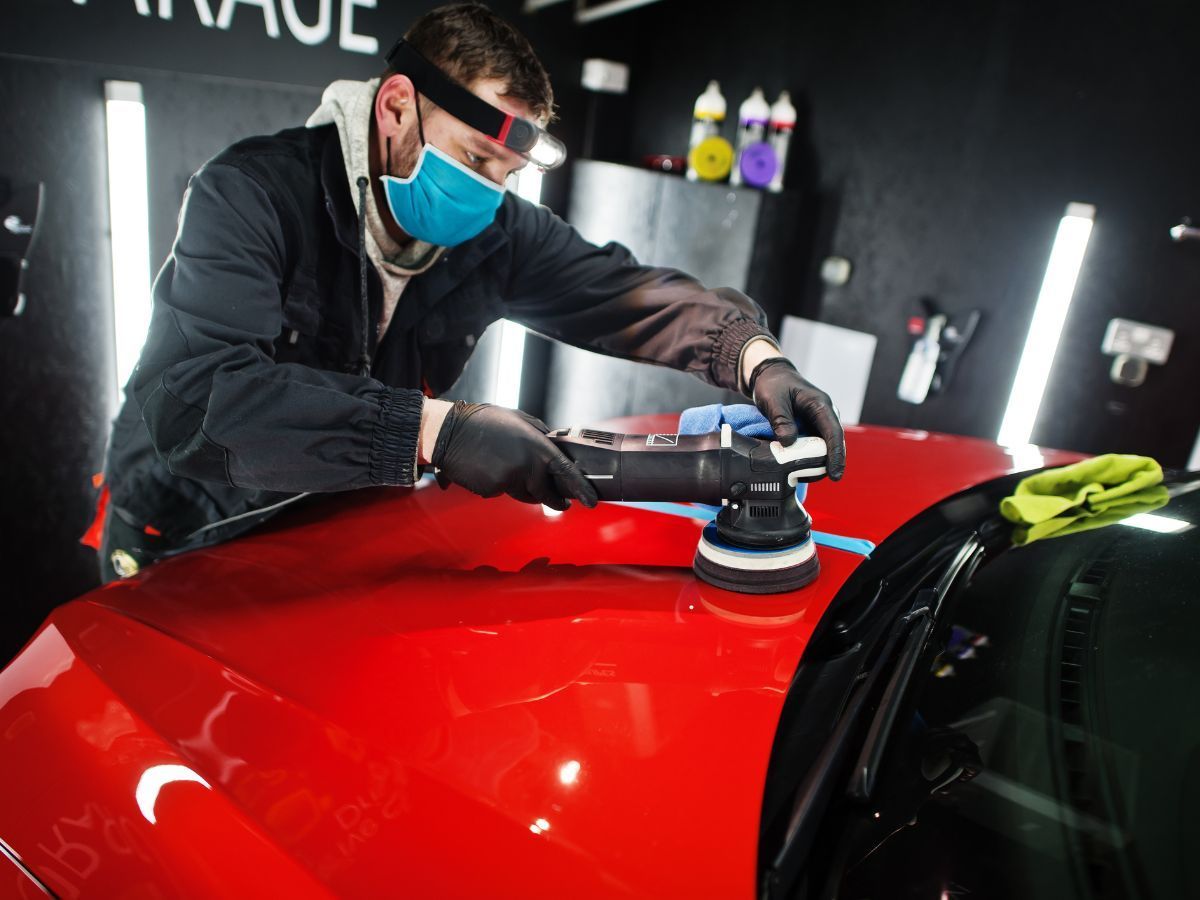
Some vehicles only need a light polish, while others benefit from paint correction to reduce swirl marks and oxidation.
It isn't a fix for every scratch. Serious damage may remain, so the goal is to improve the finish without removing excessive clear coat.
8. Protection, Finishing Touches, and Final Inspection
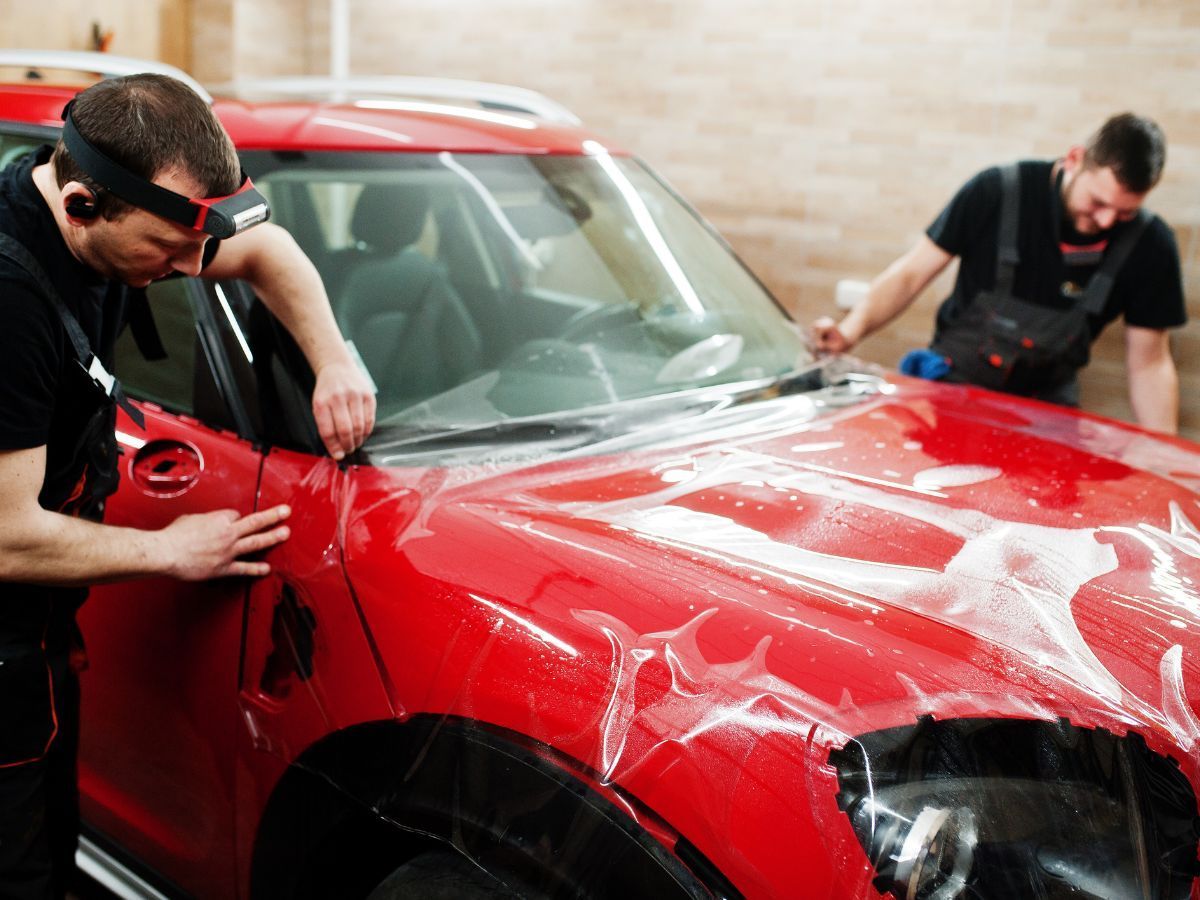
The last step protects the finish with a paint sealant or ceramic coating, making the vehicle easier to maintain.
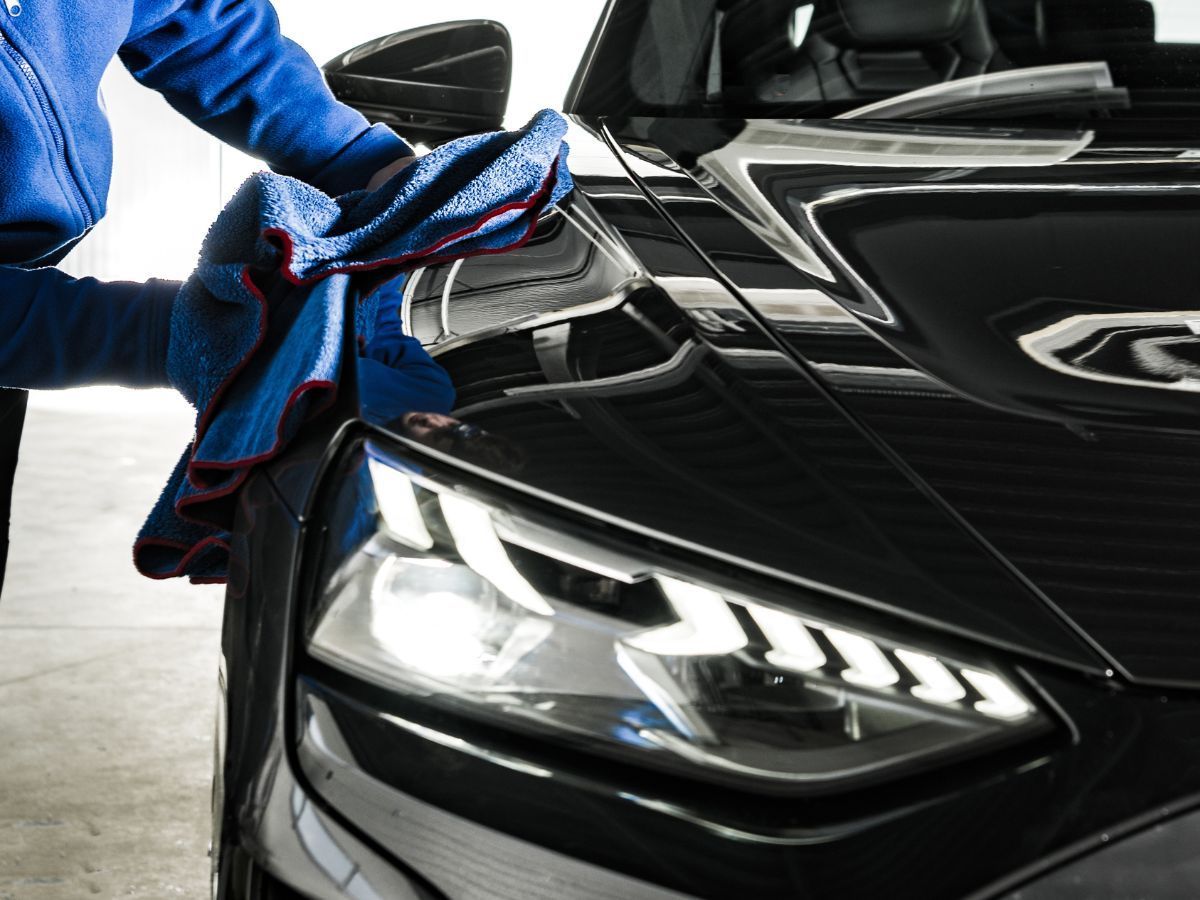
A final inspection checks for streaks, residue, fingerprints, or missed spots. Those finishing touches help ensure the detail meets professional standards.
Why Every Vehicle Needs a Different Approach
No two vehicles need exactly the same process.
A commuter car exposed to road salt may need extra attention underneath and around the wheels. A luxury vehicle with leather seats requires careful cleaning and conditioning. A family SUV may need extensive stain removal, while a car carrying pets often requires extra time removing embedded hair.
Professional detailing works best when the condition of the vehicle determines the process instead of following a fixed routine.
Concluding Up
A perfectly detailed car isn't the result of one product or one quick wash. It's the outcome of a step-by-step process that cleans, restores, and protects every part of the vehicle. When each stage is done correctly, your car not only looks better but is also easier to maintain and better protected against everyday wear.
If your vehicle is ready for a complete refresh, Vapor Auto Detailing provides professional detailing services tailored to your car's condition and your maintenance goals. From deep interior cleaning to paint correction and long-lasting ceramic coating, every detail is handled with care and attention.
Call Us to give your vehicle the professional care it deserves.
Frequently Asked Questions
How is full car detailing different from a car wash?
A regular car wash removes surface dirt, while full car detailing thoroughly cleans, restores, and protects both the interior and exterior. It also includes services like paint decontamination, stain removal, and protective treatments that help maintain your vehicle for longer.
Is clay bar treatment the same as polishing?
No. A clay bar treatment removes bonded contaminants that remain after washing, leaving the paint smooth. Polishing is a separate process that improves the finish by reducing light swirl marks, oxidation, and other minor surface imperfections.
Can paint correction remove every scratch?
No. Paint correction can significantly reduce swirl marks and light scratches in the clear coat, but it cannot safely remove every deep scratch. A professional inspection helps determine what level of improvement is realistically possible.
Why are different cleaners used for interior surfaces?
Each material reacts differently to cleaning products. Fabric, leather, plastic, and glass all require specialized cleaners to remove dirt effectively while preventing discoloration, cracking, streaks, or premature wear over time.
Why is the final inspection an important part of detailing?
The final inspection ensures every surface has been cleaned, protected, and finished properly. It helps catch any missed spots, streaks, or residue so the vehicle leaves looking its best and meets professional detailing standards.